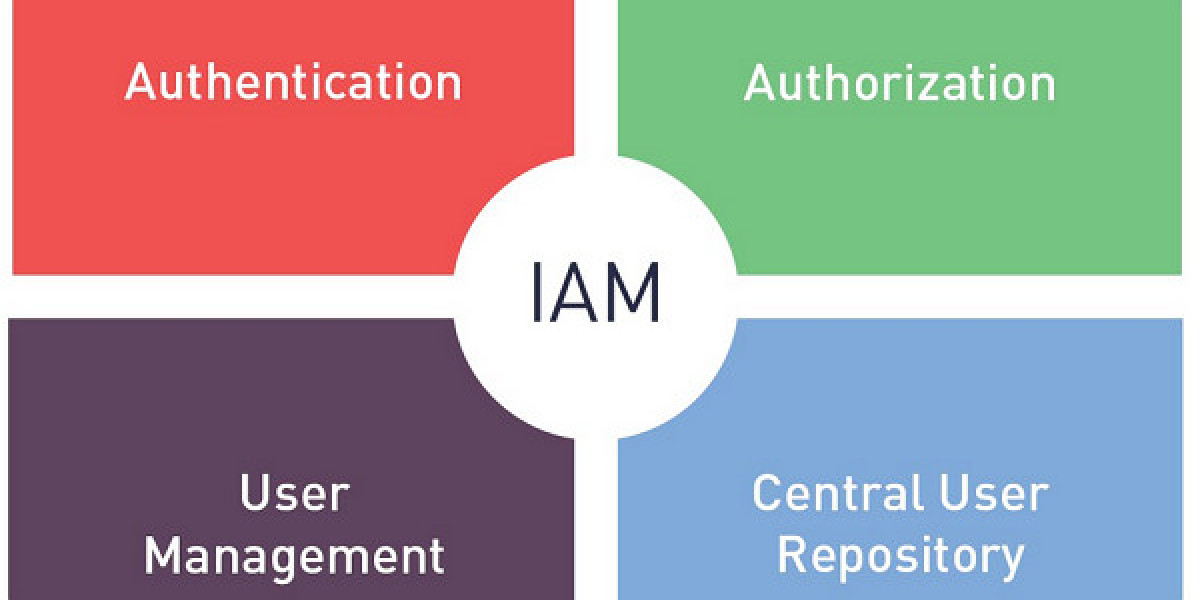

The rapid digitalization of business has fueled intense competition and innovation within the identity and access management sector. The Us Identity Access Management Market is a dynamic and crowded landscape, featuring a diverse array of vendors, from established tech giants to agile, cloud-native startups. Major players like Microsoft, with its Azure Active Directory, have a dominant position due to their deep integration with enterprise operating systems and cloud platforms. They compete with specialized Identity-as-a-Service (IDaaS) leaders such as Okta, Ping Identity, and Auth0 (now part of Okta), which have built their reputations on providing best-of-breed, cloud-first solutions that are vendor-agnostic. This competitive tension drives continuous innovation in areas like user experience, security features, and integration capabilities, ultimately benefiting the end customer with more powerful and flexible options.
The market is broadly segmented by deployment model, primarily between on-premise solutions and cloud-based services (IDaaS). Traditional on-premise IAM systems, offered by vendors like IBM and Oracle, provide organizations with complete control over their identity infrastructure but often require significant capital investment and specialized IT staff to manage. In contrast, IDaaS solutions have seen explosive growth due to their scalability, subscription-based pricing, and ease of deployment. These cloud-native platforms are particularly well-suited for businesses with hybrid IT environments and remote workforces, as they can seamlessly manage access to both on-premise applications and thousands of cloud-based SaaS apps. The market trend is overwhelmingly towards the cloud, with even traditional vendors now offering their own cloud or hybrid versions to stay competitive.
Another key dimension of the competitive landscape is the specialization in different areas of IAM. Some vendors focus on providing comprehensive, all-in-one platforms that cover everything from Single Sign-On (SSO) and Multi-Factor Authentication (MFA) to advanced lifecycle management. Others specialize in niche but critical areas. For example, companies like CyberArk and Delinea are leaders in Privileged Access Management (PAM), a crucial sub-field focused on securing the "keys to the kingdom"—the powerful administrator accounts that, if compromised, could lead to catastrophic breaches. Similarly, other vendors specialize in Customer Identity and Access Management (CIAM), which focuses on providing secure and seamless login and registration experiences for a company's external customers, a rapidly growing segment of the market.
This competitive environment fosters a rich ecosystem of partnerships and integrations. Leading IAM providers offer extensive marketplaces with thousands of pre-built connectors to popular SaaS applications, making it easy for businesses to implement Single Sign-On across their entire software stack. They also form strategic alliances with other cybersecurity vendors, integrating their identity solutions with security information and event management (SIEM) systems, endpoint protection platforms, and cloud security posture management (CSPM) tools. This creates a more holistic and interconnected security architecture where identity signals can be used to inform and automate security responses across the entire IT environment, providing a powerful value proposition that drives market differentiation and customer adoption.
Explore Our Latest Trending Reports:
Advanced Television Systems Committee Broadcast Systems Service Market