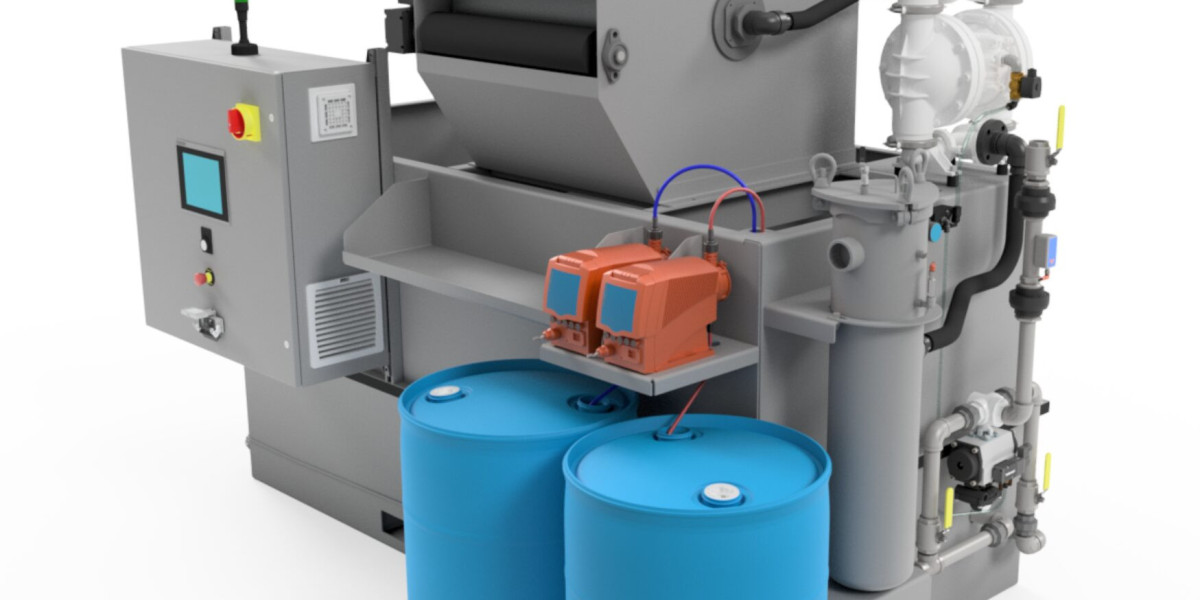

A POTW discharge compliance pH system is essential for industries that must safely discharge wastewater into municipal treatment systems. Publicly Owned Treatment Works (POTW) enforce strict regulations to ensure that incoming wastewater does not disrupt treatment processes or damage infrastructure. Maintaining proper pH levels is one of the most critical compliance requirements.
Industrial wastewater can vary significantly depending on the process. Activities such as metal finishing, chemical processing, and cleaning operations often produce wastewater that is either highly acidic or highly alkaline. Without proper control, these fluctuations can cause corrosion in pipelines, interfere with biological treatment processes, and lead to serious environmental violations. This is why maintaining a stable pH range—typically between 6.0 and 9.0—is required before discharge.
A POTW discharge compliance pH system works by continuously monitoring wastewater conditions and making automatic adjustments when needed. Sensors measure the pH level in real time, and when the system detects a deviation from the acceptable range, it injects neutralizing chemicals. Acidic water is treated with alkaline solutions, while alkaline water is balanced using acids. This automated process ensures consistent and accurate control without relying on manual intervention.
One of the most important benefits of these systems is compliance assurance. Industrial facilities are subject to strict monitoring and reporting requirements. If wastewater is discharged outside the permitted pH range, companies can face fines, penalties, or even shutdowns. Automated systems reduce this risk by maintaining consistent control and preventing non-compliant discharge events.
Another key advantage is process reliability. Manual pH control can be inconsistent, especially when wastewater characteristics change frequently. Automated systems use precise dosing and real-time data to maintain stability, ensuring that every discharge meets regulatory standards. This reliability is especially important for facilities with continuous production processes.
These systems can operate in different configurations depending on the facility’s needs. Batch systems treat wastewater in controlled volumes, verifying pH before discharge. Continuous systems, on the other hand, adjust pH in real time as wastewater flows through the system. Both approaches are effective, but the choice depends on flow rate and variability.
In addition to compliance, these systems help protect infrastructure. Wastewater with extreme pH levels can corrode pipes, tanks, and pumps, leading to expensive repairs and downtime. By maintaining a neutral pH, facilities can extend the lifespan of their equipment and reduce maintenance costs.
Cost efficiency is another important factor. Automated pH systems optimize chemical usage by adding only the necessary amount of neutralizing agent. This reduces waste and lowers operating expenses. Over time, these savings can be significant, especially for facilities with high wastewater volumes.
Safety is also improved with automation. Handling strong acids and bases manually can be hazardous for workers. Automated systems reduce direct contact with chemicals, minimizing the risk of accidents and creating a safer work environment.
Another benefit is improved treatment performance. Proper pH control enhances other wastewater treatment processes, such as filtration and chemical precipitation. For example, adjusting pH can help remove heavy metals by converting them into solid particles that can be filtered out more easily.
Modern systems often include data logging and monitoring features. These allow facilities to track pH levels, chemical usage, and discharge events over time. This information is valuable for audits, reporting, and optimizing system performance.
Water reuse is also becoming increasingly important. With proper pH control, treated wastewater can often be recycled back into the production process. This reduces freshwater consumption and supports sustainability goals, which are becoming a priority in many industries.
Customization is another advantage of these systems. They can be designed to handle specific flow rates, wastewater compositions, and operational requirements. Whether a facility produces small batches or continuous high-volume discharge, the system can be tailored accordingly.
Maintenance plays a crucial role in ensuring long-term performance. Regular calibration of sensors and inspection of equipment help maintain accuracy and prevent system failures. A well-maintained system ensures consistent compliance and reliable operation.
In conclusion, a POTW discharge compliance pH system is a vital solution for industries that need to manage wastewater responsibly. It ensures regulatory compliance, improves efficiency, reduces costs, and enhances safety.
Ubicación del Autor
Panama City Beach, Florida, Estados Unidos