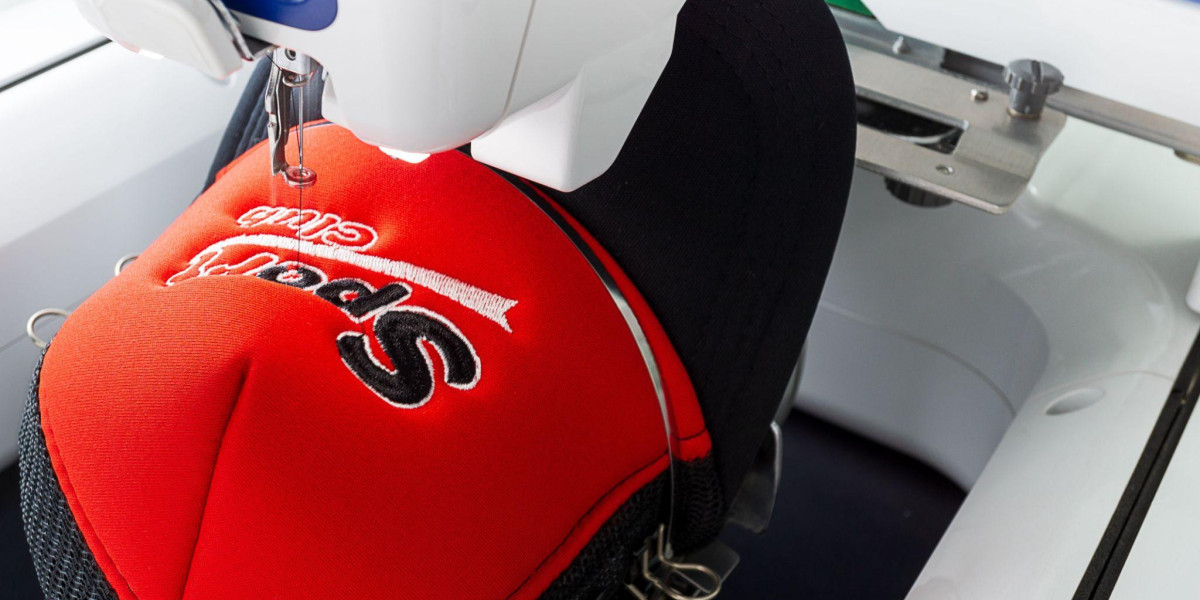

Why Proper Digitizing Matters for Cap Embroidery
Embroidery on caps is very different from embroidery on flat garments. The curved structure of hats creates unique stitching challenges that often lead to thread breaks, gaps, wrinkles, or distorted logos. Many businesses, sports teams, and clothing brands struggle with poor embroidery results because the design file was not digitized specifically for caps.
Cap logo embroidery digitizing is the process of converting artwork into an embroidery machine file while adjusting stitch angles, densities, and underlay settings for cap embroidery. A professionally digitized file helps embroidery machines run smoothly and produce clean results on structured and unstructured caps.
Without proper digitizing, even a high-quality embroidery machine cannot produce a professional-looking logo. This is why many embroidery shops rely on experienced digitizers before starting production.
Common Problems in Cap Embroidery
Cap embroidery involves stitching on a curved surface with limited sewing space. This creates several common issues that can affect the final appearance of the logo.
Design Distortion
One of the biggest problems in cap embroidery is distortion. When stitches pull fabric in different directions, the logo may become stretched or uneven. Small text and thin lines are especially vulnerable to this issue.
Professional digitizing compensates for pull and push effects by adjusting stitch paths carefully. This keeps the logo balanced and readable after embroidery is complete.
Thread Breaks During Production
Improper stitch density can cause excessive thread tension. When too many stitches are packed into a small area, machines may experience frequent thread breaks and needle issues.
A properly digitized design reduces unnecessary stitches and improves machine efficiency. This allows smoother production with fewer interruptions.
Poor Registration
Registration problems happen when different sections of a logo fail to align correctly. This issue is common in cap embroidery because the cap frame moves differently than flat hoops.
Experienced digitizers use proper sequencing and underlay techniques to improve alignment and maintain accurate stitching.
The Importance of Underlay Stitches
Underlay stitches create the foundation for embroidery. They stabilize fabric and support top stitches, especially on structured caps.
Different cap materials require different underlay styles. Foam-backed caps, cotton caps, and mesh hats all behave differently during stitching. Skilled digitizers choose the correct underlay based on fabric type and logo complexity.
Strong underlay improves design clarity, reduces fabric shifting, and helps the embroidery maintain its shape after repeated use.
Why Small Text Requires Special Attention
Many logos contain small lettering that becomes difficult to embroider on caps. Tiny details may disappear or become unreadable if digitized incorrectly.
Professional digitizers often simplify fine details while preserving the original appearance of the logo. They also adjust stitch width and spacing to maintain readability.
This is especially important for company branding because unclear logos can negatively affect professional image and customer perception.
Choosing the Right Stitch Type
Different embroidery elements require different stitch styles. Using the wrong stitch type can affect both appearance and durability.
Satin Stitches
Satin stitches work well for borders, lettering, and smooth outlines. They create a clean and polished finish on cap logos.
Fill Stitches
Fill stitches cover larger design areas and provide texture. Proper density settings are important to avoid stiff embroidery.
Running Stitches
Running stitches are commonly used for details and outlines. They help create depth without adding excessive bulk to the design.
Professional digitizers combine these stitch types strategically to improve overall embroidery quality.
How Digitizing Improves Production Speed
Poor embroidery files slow down machine performance and increase production errors. Excessive trims, unnecessary jumps, and bad sequencing waste production time.
Efficient digitizing helps embroidery shops complete orders faster while maintaining consistent quality. Clean stitch paths reduce machine stops and improve workflow during large production runs.
This is particularly useful for businesses handling bulk cap orders for corporate branding, sports teams, promotional products, or retail clothing lines.
The Role of Fabric and Cap Structure
Not all caps are made the same. Structured caps have a firm front panel, while unstructured caps are softer and more flexible. Mesh caps also require different stitching adjustments.
Professional digitizers evaluate cap material before preparing the embroidery file. They adjust stitch density and compensation settings to match the cap style.
Ignoring fabric behavior can result in puckering, gaps, or uneven embroidery.
Benefits of Professional Embroidery Digitizing
Using high-quality digitizing services offers several long-term benefits for embroidery businesses and apparel brands.
Better Logo Appearance
A professionally digitized design creates cleaner lines, smoother curves, and sharper details.
Reduced Production Errors
Correct stitch settings minimize thread breaks, registration issues, and machine downtime.
Faster Turnaround Times
Efficient embroidery files improve machine speed and production consistency.
Improved Customer Satisfaction
Customers expect clean and durable embroidery. Quality digitizing helps businesses maintain a professional reputation.
How to Prepare Artwork for Embroidery
Good embroidery begins with good artwork preparation. High-resolution vector files usually produce the best digitizing results.
When submitting artwork, it is important to provide:
- Clear logo files
- Correct dimensions
- Thread color preferences
- Cap style information
- Placement requirements
Providing accurate information allows digitizers to create embroidery files that match production needs more effectively.
Modern Trends in Cap Embroidery
The embroidery industry continues to evolve with new styles and techniques. Raised embroidery, 3D puff designs, and bold lettering are becoming increasingly popular in fashion and streetwear branding.
Advanced digitizing techniques now allow more detailed embroidery while maintaining production efficiency. Businesses are also using embroidery for promotional marketing because embroidered caps offer long-lasting brand visibility.
As demand for customized apparel grows, professional digitizing remains an important part of producing high-quality embroidered products.
Final Thoughts
Successful cap embroidery depends heavily on the quality of the embroidery file. Even expensive equipment cannot compensate for poor digitizing. Proper stitch settings, underlay techniques, sequencing, and fabric adjustments all play an important role in achieving clean embroidery results.
Cap logo embroidery digitizing helps businesses create professional embroidered caps that look sharp, run smoothly on embroidery machines, and maintain durability over time. Investing in professional digitizing reduces production problems and improves the overall quality of embroidered products.
For embroidery businesses, apparel brands, and promotional companies, accurate digitizing is one of the most important steps in producing reliable and visually appealing cap embroidery.
Ubicación del Autor
4370 Chicago Dr. SW, Grandville, MI 49418 United States