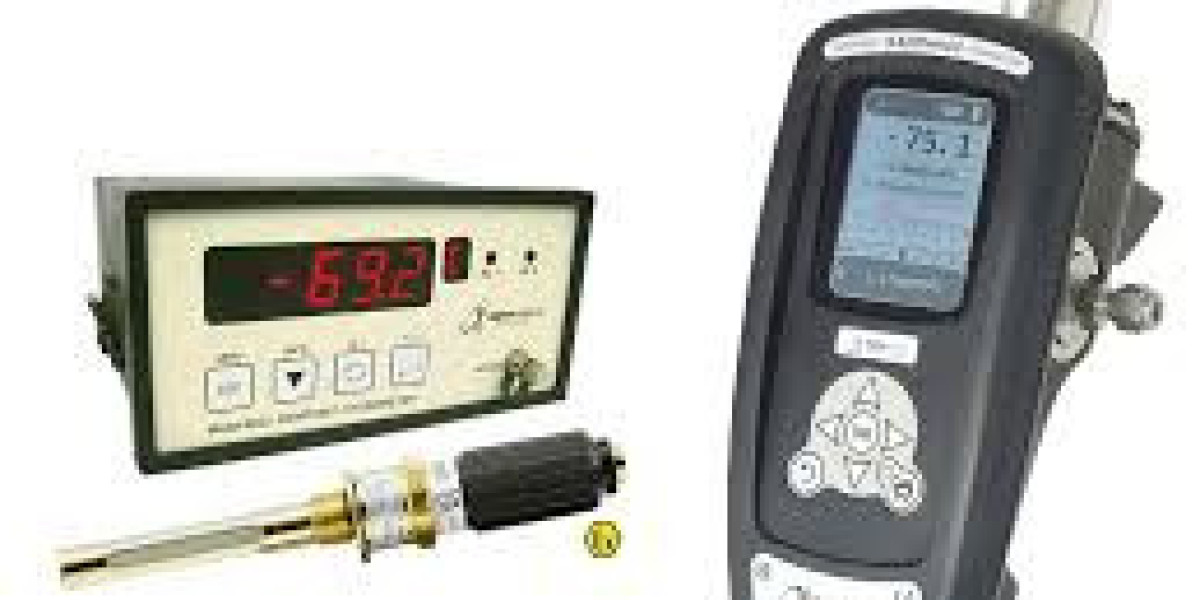

In industries where precision matters the most, even the smallest amount of moisture can create massive problems. From pharmaceuticals and food processing to oil and gas industries, controlling moisture levels is essential for maintaining product quality, operational safety, and equipment performance. This is where a trace moisture instrument becomes incredibly important.
A trace moisture instrument is a highly specialized device designed to measure extremely low levels of moisture in gases, liquids, or industrial environments. These instruments help industries maintain accuracy, prevent contamination, and improve system efficiency. Imagine trying to protect sensitive equipment from rust or ensuring that compressed air systems remain completely dry. Without accurate moisture detection, businesses can face expensive repairs, production downtime, and poor product quality.
Today, industries around the world rely heavily on trace moisture analyzers because modern manufacturing processes demand extremely precise moisture control. Whether you are working in a laboratory, industrial plant, or quality testing facility, understanding how these instruments work can help you choose the right equipment for your needs.
What is a Trace Moisture Instrument?
A trace moisture instrument is an advanced measuring device used to detect very low concentrations of moisture, usually measured in parts per million (PPM) or dew point temperature. These instruments are designed to monitor moisture levels in gases, liquids, and industrial systems where even tiny amounts of water vapor can negatively impact performance.
Unlike standard humidity meters, trace moisture instruments provide ultra-precise readings. They are capable of identifying moisture levels that are almost invisible to regular measuring devices. This makes them ideal for industries that require strict moisture control.
These instruments typically use sensors such as:
Aluminum oxide sensors
Ceramic sensors
Quartz crystal microbalance sensors
Electrolytic sensors
Tunable diode laser sensors
Each sensor technology offers unique advantages depending on the industrial application.
Why Moisture Measurement is Important
Preventing Equipment Damage
Moisture is often considered the silent enemy in industrial systems. Excess water vapor can lead to:
Corrosion
Rust formation
Electrical failures
Reduced equipment lifespan
For example, in compressed air systems, moisture can damage pneumatic tools and pipelines. A trace moisture instrument helps detect moisture before serious damage occurs.
Ensuring Product Quality
Industries such as pharmaceuticals and food manufacturing require strict quality standards. Too much moisture can spoil products, affect chemical reactions, or reduce shelf life. Accurate moisture monitoring ensures product consistency.
Improving Safety
In gas pipelines and petrochemical facilities, moisture can react with gases and create dangerous conditions. Measuring trace moisture helps maintain safe operational environments.
How Does a Trace Moisture Instrument Work?
Sensor Technology
The core of every trace moisture instrument is its sensor. The sensor detects moisture molecules present in the sample gas or liquid.
For example:
Aluminum oxide sensors absorb moisture and measure changes in electrical capacitance.
Electrolytic sensors break water molecules into hydrogen and oxygen to calculate moisture content.
Quartz crystal sensors measure frequency changes caused by moisture absorption.
These sensors then convert the moisture level into readable data.
Data Processing
Modern instruments use digital processors to analyze sensor readings and display accurate moisture values in real-time.
Output Display
Results are commonly shown as:
Dew point temperature
PPM (Parts Per Million)
Relative humidity
Moisture concentration
Many advanced systems also include alarms, data logging, and remote monitoring features.
Types of Trace Moisture Instruments
Portable Trace Moisture Instruments
Portable devices are compact and easy to carry. These instruments are ideal for field testing and on-site inspections.
Advantages
Lightweight
Quick measurements
Easy operation
Battery-powered options
Applications
Pipeline inspections
HVAC systems
Compressed air testing
Online Trace Moisture Analyzers
Online analyzers continuously monitor moisture levels in industrial processes. They are permanently installed within systems.
Advantages
Continuous monitoring
Real-time alerts
High accuracy
Automated control integration
Applications
Petrochemical plants
Natural gas processing
Semiconductor manufacturing
Laboratory Moisture Analyzers
These instruments are used in research laboratories and quality control environments where ultra-high precision is required.
Advantages
Extremely accurate
Advanced calibration
Detailed analysis capabilities
Applications
Scientific research
Pharmaceutical testing
Material analysis
Applications of Trace Moisture Instruments
Oil and Gas Industry
The oil and gas sector relies heavily on trace moisture instruments to prevent pipeline corrosion and hydrate formation. Moisture contamination in natural gas can cause freezing and equipment damage.
Pharmaceutical Industry
Moisture control is critical in medicine manufacturing. Excess moisture can alter chemical formulations and reduce drug effectiveness.
Food and Beverage Industry
Food quality and shelf life depend on controlled moisture levels. Trace moisture instruments help maintain product freshness and prevent spoilage.
Semiconductor Manufacturing
Electronic components are highly sensitive to moisture. Even tiny moisture levels can ruin semiconductor production processes.
Power Generation
Power plants use moisture analyzers to protect turbines and electrical systems from moisture-related damage.
Key Features to Look for in a Trace Moisture Instrument
Measurement Accuracy
Accuracy is one of the most important features. Choose instruments capable of detecting ultra-low moisture levels with minimal deviation.
Fast Response Time
A quick response allows operators to identify moisture issues immediately and take corrective action faster.
Wide Measurement Range
An ideal trace moisture instrument should measure both very low and moderate moisture levels.
Easy Calibration
Calibration ensures reliable readings. Instruments with automatic calibration features simplify maintenance.
Digital Connectivity
Modern instruments often include:
USB ports
Ethernet connectivity
Wireless monitoring
Cloud integration
These features improve data management and remote access.
Benefits of Using Trace Moisture Instruments
Enhanced Operational Efficiency
Accurate moisture monitoring prevents unnecessary downtime and improves overall system efficiency.
Reduced Maintenance Costs
Detecting moisture early helps avoid expensive equipment repairs and replacements.
Improved Product Quality
Consistent moisture control ensures higher production quality and customer satisfaction.
Compliance with Industry Standards
Many industries must meet strict moisture regulations. Trace moisture instruments help businesses comply with these standards.
Long-Term Equipment Protection
Proper moisture management extends the lifespan of industrial systems and machinery.
Common Challenges in Moisture Measurement
Sensor Contamination
Dust, oil, and chemical contaminants can affect sensor performance. Regular cleaning and maintenance are essential.
Calibration Drift
Over time, sensors may lose calibration accuracy. Periodic calibration helps maintain reliable measurements.
Environmental Factors
Temperature and pressure variations can influence readings. Advanced instruments compensate for these changes automatically.
Sample Handling Issues
Improper sampling methods may lead to inaccurate moisture measurements. Correct installation and sampling techniques are critical.
How to Choose the Best Trace Moisture Instrument
Understand Your Application
Different industries require different measurement ranges and technologies. Identify your exact needs before selecting an instrument.
Check Sensor Compatibility
Choose a sensor suitable for your gas or liquid type. Some sensors perform better in harsh industrial conditions.
Consider Maintenance Requirements
Low-maintenance instruments reduce operational costs and downtime.
Evaluate Long-Term Reliability
Reliable instruments provide stable performance over many years.
Compare Technical Specifications
Important specifications include:
Measurement range
Accuracy
Response time
Operating temperature
Pressure compatibility
Maintenance Tips for Trace Moisture Instruments
Regular Calibration
Frequent calibration ensures consistent and accurate readings.
Keep Sensors Clean
Contaminated sensors can provide false results. Follow manufacturer cleaning recommendations.
Inspect Sampling Systems
Leaks or contamination in sampling lines can affect moisture measurements.
Store Properly
Portable instruments should be stored in dry and clean environments when not in use.
Follow Manufacturer Guidelines
Always follow operating instructions for maximum instrument lifespan.
Latest Trends in Trace Moisture Measurement Technology
Smart Monitoring Systems
Modern instruments now feature cloud-based monitoring and remote diagnostics.
Wireless Connectivity
Wireless moisture analyzers simplify installation and improve data access.
AI-Based Predictive Maintenance
Artificial intelligence helps predict sensor failures before they occur.
Miniaturization
Compact designs make portable moisture analyzers more convenient and efficient.
Improved Sensor Sensitivity
New sensor technologies provide faster and more accurate moisture detection.
Industries That Depend on Trace Moisture Instruments
Chemical Processing
Chemical reactions often require controlled moisture levels to maintain purity and stability.
Aerospace Industry
Aircraft systems and components require dry environments to prevent failures.
Medical Gas Production
Medical oxygen and gases must remain moisture-free for patient safety.
Automotive Manufacturing
Moisture control improves coating quality and electronic component reliability.
Renewable Energy Sector
Battery manufacturing and hydrogen fuel production depend on accurate moisture monitoring.
Future of Trace Moisture Instruments
The future of moisture measurement technology looks highly promising. As industries continue adopting automation and smart manufacturing, trace moisture instruments will become even more advanced.
Future developments may include:
Fully automated calibration
AI-powered diagnostics
Real-time cloud analytics
More compact sensors
Increased energy efficiency
Industries are increasingly demanding ultra-high precision, and manufacturers are responding with smarter, faster, and more reliable moisture analyzers.
Conclusion
A trace moisture instrument plays a vital role in modern industries where precise moisture control is essential. From protecting expensive equipment to ensuring product quality and operational safety, these advanced instruments provide unmatched accuracy and reliability.
Whether used in oil and gas, pharmaceuticals, food processing, or semiconductor manufacturing, trace moisture analyzers help industries maintain efficiency and avoid costly problems caused by excess moisture. As technology continues to evolve, these instruments are becoming smarter, faster, and more connected than ever before.
Choosing the right trace moisture instrument depends on your specific application, accuracy requirements, and operational conditions. By investing in a reliable moisture analyzer and maintaining it properly, businesses can improve productivity, reduce maintenance costs, and ensure long-term operational success.
FAQs
What is a trace moisture instrument used for?
A trace moisture instrument is used to measure extremely low levels of moisture in gases, liquids, and industrial systems.
Which industries use trace moisture analyzers?
Industries such as oil and gas, pharmaceuticals, food processing, semiconductor manufacturing, and power generation commonly use these instruments.
What is the difference between dew point and moisture content?
Dew point measures the temperature at which moisture condenses, while moisture content refers to the actual amount of water vapor present.
How accurate are trace moisture instruments?
Most modern trace moisture instruments offer extremely high accuracy and can detect moisture levels in parts per million.
Why is moisture measurement important in industrial applications?
Moisture measurement helps prevent corrosion, improve product quality, ensure safety, and reduce equipment maintenance costs.
Ubicación del Autor
Morocco