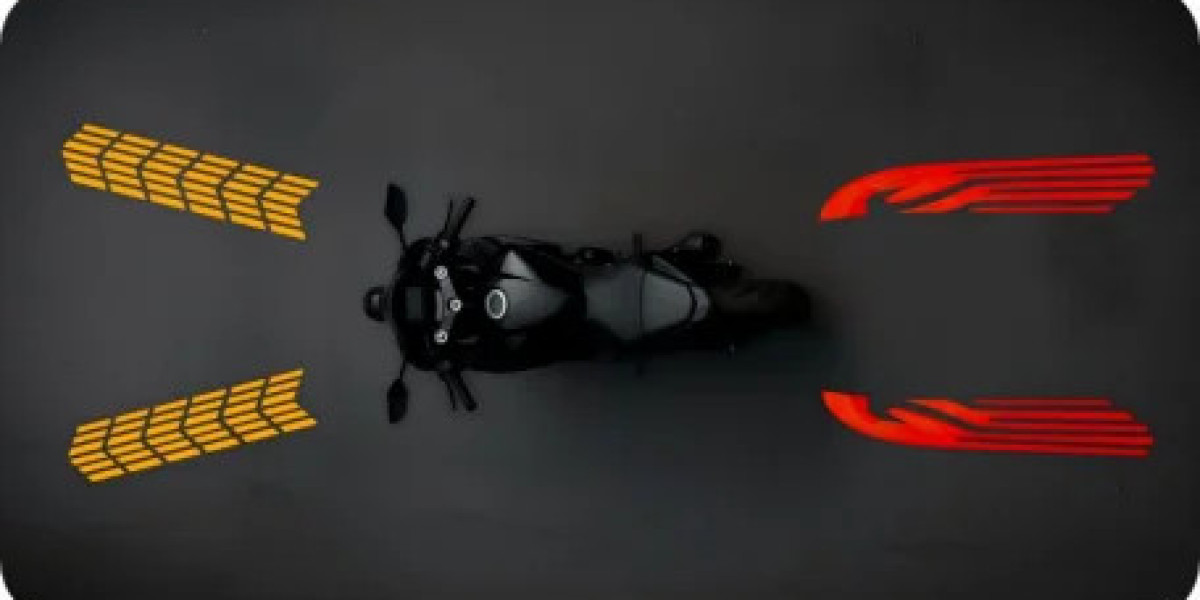

Night riding remains one of the biggest safety challenges for motorcycle users worldwide. Many riders struggle with weak headlights, poor beam focus, glare issues, and limited road visibility during high-speed travel or harsh weather conditions. These problems not only increase accident risks but also reduce rider confidence and long-distance riding comfort.
For motorcycle manufacturers, lighting suppliers, and aftermarket businesses, poor lighting performance can damage customer trust and product reputation. Riders now expect advanced lighting systems that provide stronger brightness, accurate beam control, lower power consumption, and better durability.
To solve these challenges, many companies are adopting Motorcycle MLA Projection Lighting technology. This advanced lighting system improves illumination accuracy and road visibility while supporting modern motorcycle design requirements. As smart lighting technology continues evolving, MLA projection systems are becoming an important solution for next-generation motorcycle safety and performance.
What Is Motorcycle MLA Projection Lighting?
Motorcycle MLA Projection Lighting is an advanced lighting technology that uses micro lens array optics to improve beam distribution and illumination precision. Unlike traditional reflector-based lighting systems, MLA projection technology controls light more accurately and delivers focused road coverage.
This technology helps reduce scattered light while improving brightness efficiency and rider visibility. MLA projection systems are commonly integrated into:
- Premium motorcycles
- Touring bikes
- Adventure motorcycles
- Electric motorcycles
- High-performance scooters
- Aftermarket lighting upgrades
The system is designed to provide safer nighttime riding while improving energy efficiency and lighting stability.
Common Problems with Traditional Motorcycle Lighting
Many motorcycles still use outdated lighting systems that cannot provide stable visibility under demanding riding conditions.
Weak Night Visibility
Standard headlights often fail to illuminate distant road areas clearly, especially during highway riding.
Uneven Beam Distribution
Poor beam patterns create dark spots and reduce road visibility around corners or obstacles.
High Glare for Other Drivers
Improper light focus may create glare that affects oncoming traffic and increases road safety risks.
Excessive Energy Consumption
Traditional halogen systems consume more electrical power and reduce battery efficiency.
Reduced Lifespan
Older lighting systems often require frequent maintenance and bulb replacement.
How Motorcycle MLA Projection Lighting Solves These Problems
MLA projection systems are designed to improve both safety and lighting performance in modern motorcycles.
Improved Beam Precision
Micro lens array technology creates a focused beam pattern that improves road illumination accuracy.
Stronger Brightness Efficiency
The lighting system uses light more efficiently, producing better visibility without excessive energy use.
Reduced Glare Problems
Controlled beam projection helps minimize glare for other drivers and improves road safety.
Better Long-Distance Visibility
MLA projection lighting improves forward illumination for safer high-speed riding and nighttime travel.
Energy-Efficient Operation
Modern LED-based MLA systems consume less power compared to traditional motorcycle lighting technologies.
Industries Benefiting from Motorcycle MLA Projection Lighting
The demand for advanced motorcycle lighting systems is increasing across multiple automotive sectors.
Motorcycle Manufacturing Industry
Manufacturers use MLA projection systems to improve product safety and premium vehicle design.
Electric Mobility Sector
Electric motorcycles and scooters benefit from energy-efficient lighting solutions that support battery performance.
Aftermarket Automotive Industry
Riders upgrade existing motorcycles with advanced projection lighting for better night visibility.
Adventure and Touring Market
Long-distance riders require reliable lighting systems for highway travel and off-road environments.
Smart Vehicle Technology Industry
Modern connected vehicles increasingly use intelligent lighting systems for adaptive road visibility.
Important Features Businesses Should Evaluate
Selecting the right Motorcycle MLA Projection Lighting system requires technical evaluation and quality assessment.
Beam Pattern Quality
A stable and focused beam improves road coverage and rider safety.
Brightness Output
High lumen efficiency supports clearer visibility during night operation.
Waterproof Protection
Motorcycle lighting systems must resist rain, dust, and vibration exposure.
Thermal Management
Proper heat control helps maintain stable lighting performance and extends product lifespan.
Power Efficiency
Low-energy lighting systems reduce electrical load and improve overall motorcycle efficiency.
Challenges Businesses Still Face
Although MLA projection lighting provides major advantages, some technical and manufacturing challenges remain.
Higher Initial Manufacturing Cost
Advanced optical systems and precision components may increase production expenses.
Complex Optical Design
MLA projection systems require accurate lens alignment and engineering precision.
Compatibility Limitations
Some older motorcycle models may require custom mounting or electrical modifications.
Best Strategy for Long-Term Product Performance
Businesses should avoid selecting motorcycle lighting systems based only on low cost. Poor lighting quality can increase safety risks and negatively affect brand reputation.
The best strategy is to work with experienced lighting manufacturers that provide:
- Advanced optical engineering
- Reliable waterproof protection
- Stable brightness performance
- Energy-efficient LED technology
- Long-term technical support
This helps businesses improve customer satisfaction while reducing product failure and maintenance risks.
Future of Motorcycle MLA Projection Lighting Technology
The future of Motorcycle MLA Projection Lighting technology is focused on smarter beam control, adaptive lighting, and improved riding safety. As motorcycle electronics become more advanced, lighting systems are also becoming more intelligent and efficient.
Future developments may include:
- Adaptive beam adjustment
- AI-assisted lighting control
- Improved LED brightness efficiency
- Compact lightweight optical systems
- Better weather resistance technology
These advancements will continue improving rider safety and motorcycle performance across different riding conditions.
Conclusion
Weak motorcycle lighting systems can reduce visibility, increase accident risks, and affect overall riding safety. Motorcycle MLA Projection Lighting solves these problems through precise beam control, stronger brightness efficiency, lower energy consumption, and improved road coverage.
For businesses working in motorcycle manufacturing, electric mobility, aftermarket upgrades, and automotive technology, investing in advanced MLA projection lighting solutions can improve product quality and market competitiveness. As smart motorcycle technology continues growing, Motorcycle MLA Projection Lighting will remain an important part of future riding safety and performance innovation.