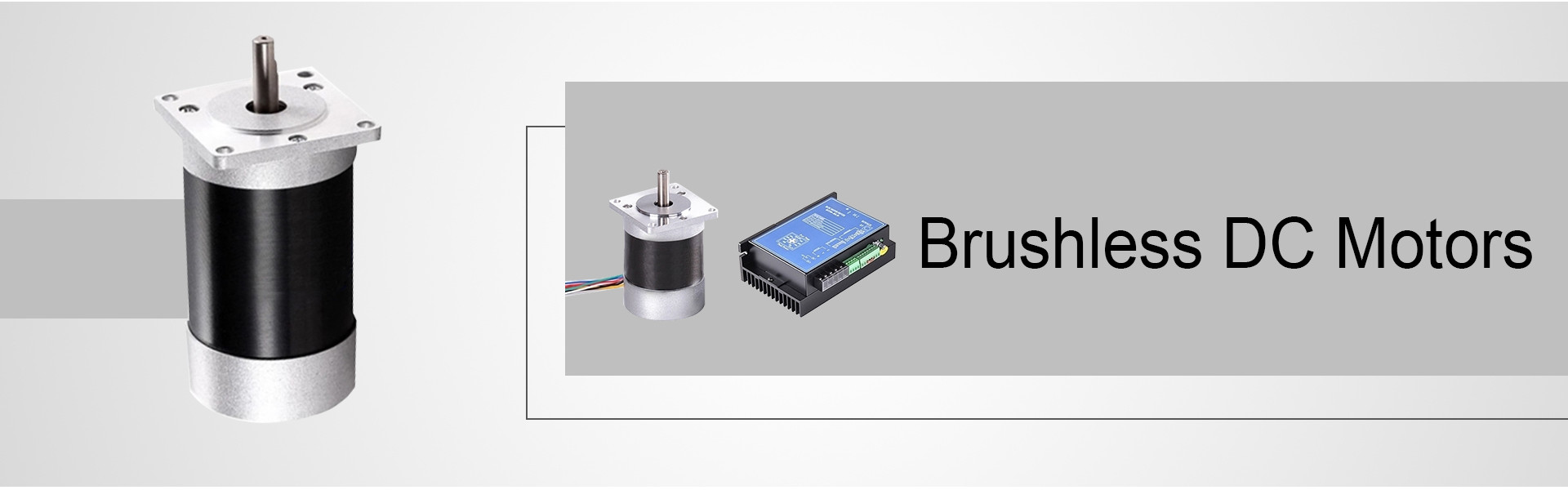
Brushless DC motors have become a practical choice for many electric drive systems because they combine electronic control with a mechanically simple motor structure. Traditional brushed motors rely on physical contact between brushes and a commutator, while a brushless design moves the switching function into the electronic controller. This removes a common source of mechanical wear and allows the motor to operate without the friction and maintenance associated with brushes.
The value of brushless motor technology is not limited to longer operating life. Electronic commutation also gives designers greater control over how the motor starts, accelerates, and maintains speed. Depending on the motor and controller combination, the system can be configured for different operating ranges and load conditions. This makes brushless motors useful when equipment needs repeatable motion rather than simply continuous rotation.
Another advantage is the variety of configurations available. A brushless DC motor can be designed around different voltage levels, torque requirements, speeds, frame dimensions, and mechanical arrangements. Some systems need a compact motor with a high power-to-size ratio, while others require substantial continuous torque or a larger mechanical interface. The same basic technology can therefore be adapted to very different machine designs.
Motor construction also affects the final result. Inrunner and outrunner designs provide different mechanical arrangements, while sensored and sensorless configurations address different control requirements. Frameless brushless motors can be integrated into custom mechanisms, and protected designs can be used where environmental exposure is a concern. These options give engineers more flexibility than treating a motor as a fixed, one-size-fits-all component.
For equipment designers, the main benefit of brushless technology is this combination of efficiency, controllability, and configuration flexibility. Rather than selecting a motor based on one specification, engineers can build the drive around the actual electrical, mechanical, and environmental requirements of the machine.