
Introduction
Agriculture is the backbone of Okara’s economy. With its fertile lands and a strong farming community, Okara contributes significantly to Pakistan's food basket. However, despite ideal conditions for cultivation, farmers in this region frequently encounter challenges that hinder productivity. Among these, stubborn weeds and insect pests are major concerns, threatening crop yields and increasing input costs. This article explores effective strategies for managing these threats, focusing on practical solutions, local context, and safe application practices to help farmers achieve healthier crops and higher yields.
Understanding the Agricultural Landscape in Okara
Okara is known for its production of wheat, rice, sugarcane, maize, and various vegetables. 
Seasonal variations also influence pest and weed behavior. For example, the monsoon season often leads to a surge in weed growth due to high humidity and rainfall. Similarly, standing water in rice paddies can become a breeding ground for pests. Therefore, a comprehensive understanding of the local environment is key to developing effective control strategies.
Common Weeds and Their Impact on Crop Health
Weeds compete directly with crops for sunlight, water, and nutrients. In Okara, some of the most problematic weed species include:
Sedges (Cyperus spp.)
Wild grasses (Echinochloa spp.)
Broadleaf weeds (Amaranthus spp.)
Unchecked weed infestations can reduce yields by up to 40% in certain crops. They can also host pests and diseases, acting as a reservoir that further damages healthy crops. Manual weeding is often not practical for larger farms, leading to increased reliance on chemical herbicides.
Integrated Weed Management Practices
Weed control is most effective when multiple strategies are combined. Here’s how Okara farmers can benefit from integrated weed management (IWM):
Pre-planting Control: Deep plowing and soil solarization reduce existing weed seeds before sowing.
Crop Rotation: Alternating between cereals and legumes can interrupt weed life cycles.
Timely Sowing and Dense Planting: A healthy crop canopy suppresses early weed emergence.
Targeted Chemical Use: When necessary, applying herbicides in the right dose and time ensures efficient control with minimal environmental damage.
Mid-season weed management remains essential, especially during the early stages of crop growth when competition is most damaging.
Combating Insect Pests: A Growing Challenge
While weeds compete silently, insect pests destroy crops openly, causing severe yield losses. Pests like armyworms, jassids, whiteflies, aphids, and borers are frequently reported in Okara's fields. Apart from direct crop damage, these insects also transmit viral and bacterial diseases, making their control even more critical.
Cultural and Biological Pest Control Methods
Farmers in Okara are increasingly adopting cultural and biological control methods to reduce dependency on synthetic chemicals. Here are a few sustainable approaches:
Field Sanitation: Removing crop residues and debris eliminates pest breeding grounds.
Trap Cropping: Using alternate plant species to attract pests away from the main crop.
Biological Control: Introducing natural predators such as ladybugs or using bio-pesticides derived from neem and Bacillus thuringiensis.
These practices are safe and help preserve the local biodiversity, a factor often ignored in intensive farming.
Role of Technology in Modern Farming
Precision farming tools such as drone surveillance, soil sensors, and pest identification apps are slowly making their way into Okara’s farming systems. Though adoption is still limited due to cost, these technologies offer long-term benefits in optimizing pesticide and herbicide usage. Local agricultural service centers are now training farmers in these tools, paving the way for smarter, data-driven farming.
Organic Integration of Key Chemical Solutions
While integrated pest and weed management is the ideal goal, there are times when chemical solutions remain necessary—especially in cases of heavy infestation or when quick results are needed. In such scenarios, proper product selection and application are vital.
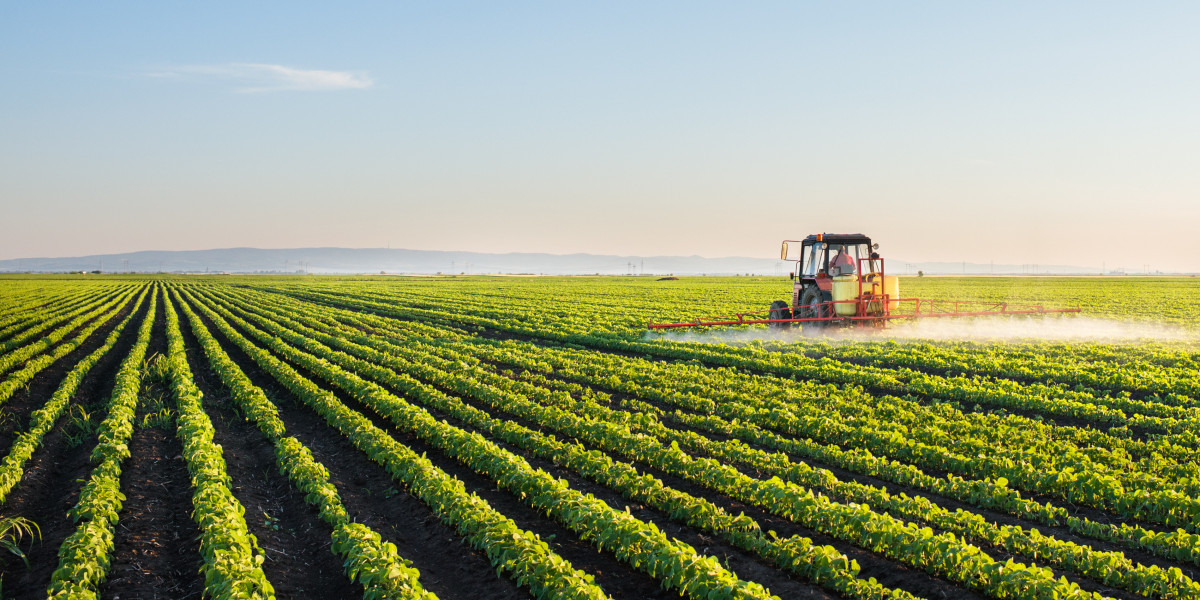
In recent years, many farmers in Okara have turned to a fast-acting solution for resistant weeds in their fields. This includes a widely used non-selective herbicide that ensures quick control over tough annual and perennial weeds. On the pest control front, targeted insecticides have helped farmers effectively manage seasonal,bifenthrin EC spray Okara outbreaks without causing long-term soil damage. Proper application, using calibrated knapsack sprayers and observing re-entry intervals, ensures both safety and effectiveness.
Best Practices for Chemical Application
Using chemicals in farming isn’t inherently harmful—misuse is the real issue. To make the most of pesticides and herbicides while minimizing negative impacts, farmers should follow these steps:
Read Labels Carefully: Always use the recommended dose.
Use Protective Gear: Masks, gloves, and long clothing are essential for safety.
Time It Right: Spray during calm weather, early morning or late afternoon.
Avoid Overlapping Sprays: Excessive applications can lead to chemical resistance.
Training programs by local agricultural departments and private agri-input firms can help educate farmers on safe and effective usage.
Environmental Concerns and Sustainability
Rising awareness about the environmental impacts of excessive chemical use has encouraged a shift toward more sustainable farming practices. Farmers are learning to balance productivity with ecological responsibility. Buffer zones, minimal tillage, and organic manures are becoming more common across farms in Okara.
Moreover, waste management—particularly the safe disposal of empty pesticide containers—is being taken more seriously. Initiatives led by local cooperatives and agri-businesses are promoting return-and-recycle programs for used chemical containers.
Government Support and Training Opportunities
The Punjab Agriculture Department and local agri-extension services regularly hold training camps and field demonstrations. These are valuable for:
Learning about new products and practices.
Understanding pest and weed identification.
Building community-based solutions for common agricultural problems.
Involvement in these programs empowers farmers to make informed decisions and boosts community resilience.
Farmer Success Stories from Okara
Many progressive farmers in the Okara district have seen tangible benefits by embracing integrated crop protection strategies. For example:
A rice farmer in Renala Khurd reduced his herbicide costs by 30% after integrating pre-emergence weeding with a targeted spray schedule.
A maize grower used pheromone traps and selective insecticides to control borers without compromising on beneficial insect populations.
A vegetable farmer adopted a crop rotation strategy and switched to biopesticides during off-seasons, leading to healthier soil and consistent yields.
Such stories highlight that with the right knowledge and approach, even small-scale farmers can implement effective solutions.
Conclusion
Sustainable weed and insect pest control is not about choosing between traditional and modern methods—it’s about combining the best of both. For farmers in Okara, staying informed, using tools wisely, and prioritizing safety are the keys to success. While non-chemical solutions are preferable, timely use of the right herbicides and insecticides can be the difference between a lost crop and a bumper harvest. By integrating safe chemical use with cultural and biological controls, farmers can protect their yields, health, and the environment.