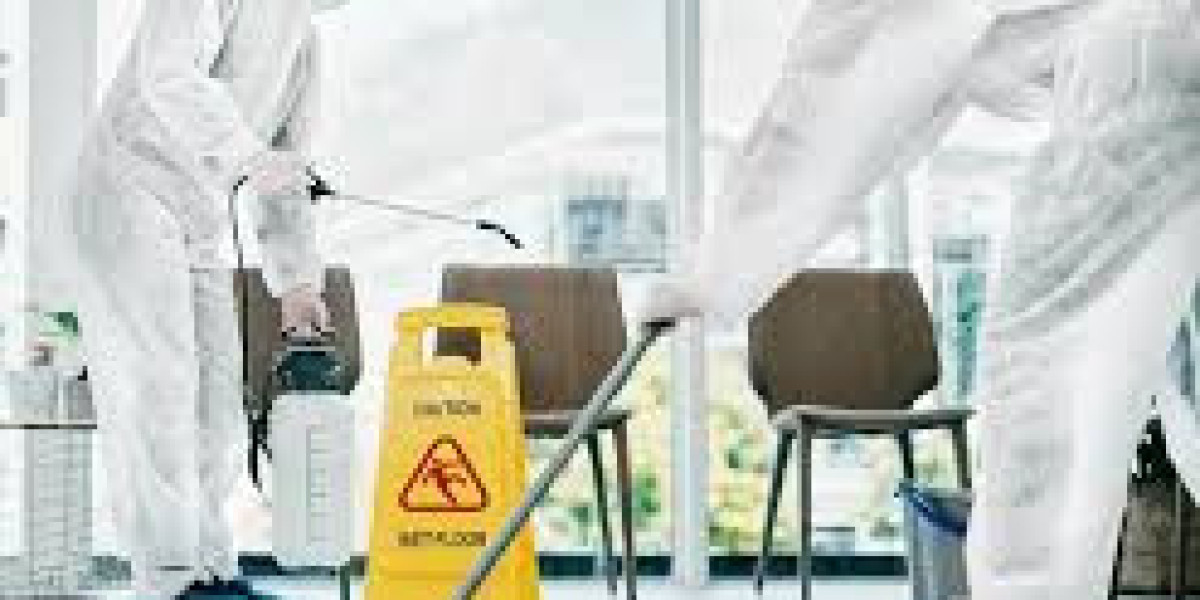

Biohazard removal is a highly specialized cleaning process designed to safely eliminate biological threats that pose serious health risks to humans and the environment. These threats can include blood, bodily fluids, chemicals, and infectious materials found at crime scenes, trauma incidents, hoarding sites, or contaminated properties.
? What is Biohazard Removal?
Biohazard removal is the systematic decontamination and sanitization of environments that have been exposed to hazardous biological materials. This process involves:
Identifying contaminated areas
Safely removing dangerous substances
Disinfecting and deodorizing the site
Ensuring full compliance with health and safety regulations
⚠️ Common Biohazard Situations
Biohazard removal is crucial in several high-risk scenarios, including:
Crime scenes
Unattended deaths
Hoarding cleanup
Trauma and suicide scenes
Industrial or laboratory accidents
Sewage backups and waste spills
Rodent or pest infestations
Meth lab cleanup
? Types of Biohazardous Materials
Biohazardous waste can be grouped into the following categories:
Pathological waste: Human tissues or body parts
Sharps waste: Needles, scalpels, and broken glass
Infectious waste: Materials contaminated with blood or bodily fluids
Chemical waste: Toxic or corrosive substances
Pharmaceutical waste: Expired or unused medications
? Why Professional Biohazard Removal is Critical
Attempting to clean a biohazard scene without proper training or equipment can be extremely dangerous. Professionals use:
Personal protective equipment (PPE)
EPA-approved disinfectants
Industrial-grade cleaning tools
Proper containment and disposal techniques
They ensure the area is fully sanitized and safe for reoccupation, following local, state, and federal guidelines (e.g., OSHA, CDC, and EPA standards).
?️ Biohazard Removal Process: Step-by-Step
Assessment & Planning
Inspect and evaluate the extent of contamination
Develop a customized cleaning protocol
Containment
Seal off the affected area to prevent cross-contamination
Removal of Biohazards
Carefully collect and dispose of hazardous materials
Disinfection & Decontamination
Use professional-grade chemicals to eliminate pathogens
Odor Removal
Apply ozone treatments or thermal fogging to remove persistent odors
Final Testing & Verification
Ensure the site is fully clean and safe using ATP or other surface testing
? Who Performs Biohazard Cleanup?
Certified biohazard cleanup companies have trained technicians skilled in:
Hazard identification
Safe handling of infectious materials
Trauma scene response
Proper disposal methods
Emotional sensitivity in traumatic situations
? Safety Regulations and Legal Compliance
Biohazard removal must comply with:
OSHA Bloodborne Pathogens Standard
EPA regulations on waste disposal
State and municipal public health laws
Failing to meet these standards can result in heavy fines and public health risks.
? How Much Does Biohazard Removal Cost?
The cost varies based on:
Severity of contamination
Size of the affected area
Type of biological hazard involved
Estimated range: $1,000 – $25,000+
Insurance may cover some or all cleanup costs, depending on the incident.
? Mental Health Considerations
Cleaning up after traumatic events can be emotionally devastating for family or property owners. Hiring a professional not only ensures safety but also provides much-needed peace of mind during a distressing time.
? How to Choose the Right Biohazard Cleanup Company
When hiring a cleanup team, look for:
24/7 emergency availability
Proper licenses and insurance
Trained and certified technicians
Positive client reviews
Clear pricing and transparency
? Eco-Friendly and Ethical Disposal
Reputable cleanup companies also focus on environmentally responsible disposal practices. They use biodegradable disinfectants and ensure waste is treated at authorized medical waste facilities.
? Final Thoughts
Biohazard removal is more than just cleaning—it's about restoring safety and dignity to spaces affected by trauma, contamination, or crisis. Always rely on trained professionals to handle biohazards swiftly, legally, and compassionately.
✅ Key Takeaways
Never attempt biohazard cleanup yourself—it’s risky and potentially illegal.
Professional teams use specialized equipment and follow strict safety protocols.
Biohazard removal is essential in crime scenes, hoarding, trauma, and industrial accidents.
Choosing the right cleanup company ensures safe, legal, and thorough decontamination.
Need Biohazard Removal Services Near You?
Get in touch with a licensed cleanup professional today and ensure your environment is safe, clean, and compliant.