
Whether we like it or not, artificial intelligence (AI) is ubiquitous. From the living room to the boardroom, AI is becoming an increasingly important aspect of our daily lives, and our children are no exception. Many children interact with AI without even realizing it, thanks to embedded learning apps and interactive toys, as well as voice assistants such as Alexa and Siri. While it is evident that AI has the potential to provide some productive and even exciting new ways for our children to learn and play, many parents are concerned about its safety.
Let's delve into the new and challenging realm of AI's influence on our children, and how to protect children from AI-driven overstimulation.
What is AI for children?
AI may appear to be a difficult concept, but it is just technology that can learn, make judgments, and solve problems. AI is frequently used in children's favorite games, smart toys, and school apps. We understand that AI is a strong instrument that may help with education and growth, but it also carries some risks that we must be aware of. From privacy issues to the possibility of over-reliance on technology, there are numerous solid reasons to pause and evaluate how AI may affect our children's mental, physical, and emotional well-being.
At the same time, totally avoiding AI may be impractical or even impossible, especially as technology grows more incorporated into daily life. So, rather than shielding children from AI, the idea is to teach them how to use technology safely. By understanding the implications of AI and educating children how to engage with technology securely, we can help them reap the benefits while reducing the hazards. And we may improve our own AI utilization along the way.
Examples of how children use AI in and out of the classroom
You might be startled to hear that AI is already integrated into many elements of your child's life. With ever-expanding learning apps and gadgets that can respond, here are five ways youngsters interact with AI on a regular basis.
Educational Apps: Many educational apps employ artificial intelligence to tailor the experience to each child. Duolingo, for example, tailors lessons to a child's progress. If a youngster struggles with a particular topic, the app may provide further practice while moving them quickly through areas they have already mastered.
Smart toys: AI-powered toys, such as Cozmo the robot or Hello Barbie, can recognize a child's voice, remember their preferences, and even engage in simple conversations. These toys make playing more dynamic and entertaining, but children can easily become attached to them, almost as if they were conversing with a real buddy.
Virtual assistants: Children frequently use voice-activated gadgets such as Alexa or Google Assistant to ask inquiries, listen to music, or seek help with homework. These virtual assistants may provide rapid responses or operate other smart gadgets around the house, making them particularly enticing to children.
Adaptive learning programs in schools: Many schools use artificial intelligence to assist pupils learn at their own speed. For example, DreamBox analyzes a child's progress and tailors lessons to their specific needs. This allows children to speed up or slow down based on their understanding of the content.
Digital detox for children using breath and mantras
Learn about how spiritual classes and courses by Shree Ram Rajya Parishad can help digital detox for children using breath and mantras.
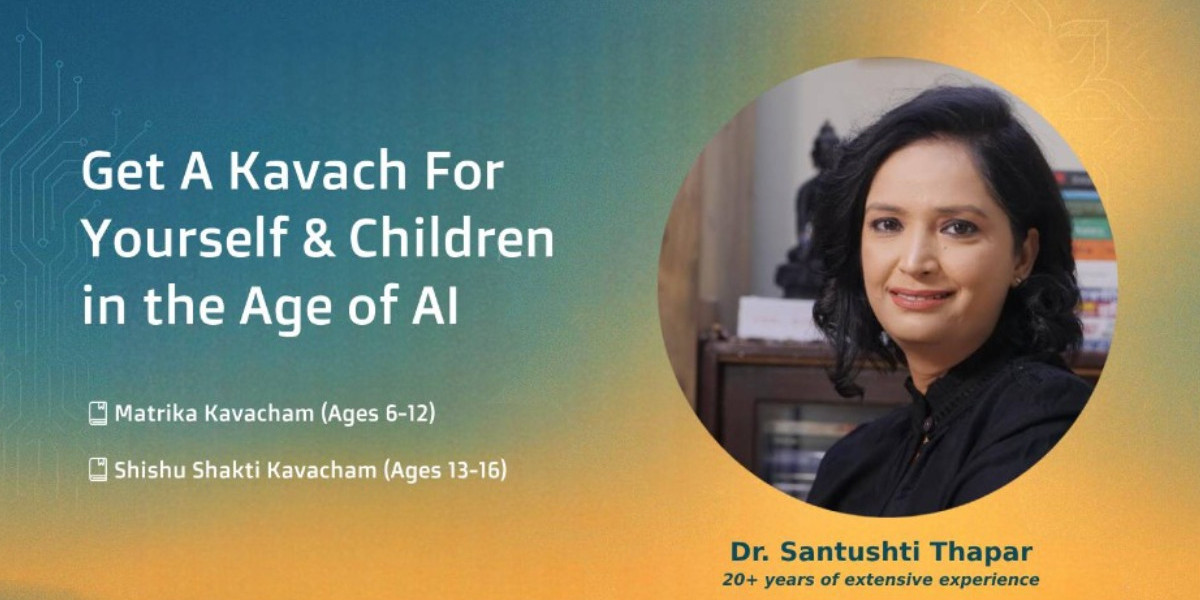
The Shree Rama Rajya Parishad is a spiritual and educational movement that revives Ram Rajya's objectives for the twenty-first century. The Parishad was founded in 2020 by philosopher and novelist Dr. Santushti Thapar to empower individuals via inner awakening, Adhyatmik education, and conscious living. Hon. Shri Rajnath Singh launched "Shree Rama Rajya (21st Century Ram Rajya)" as a modern version of Vedic administration. Spiritual Skills for Children, the Sri Ambika Women Tribe, and the Being Primed wellness campaign are among the core initiatives. The organization also promotes digital mindfulness through the Limiting Blue Light program.