
In today’s fast-evolving energy landscape, substation contractors play a critical role in the planning, implementation, and maintenance of infrastructure essential for renewable energy systems. Their expertise supports a wide range of services from substation design and high voltage testing to solar farm services and 3D digital substation modeling. As the demand for cleaner energy sources like solar continues to rise, selecting qualified professionals for each stage of project development becomes increasingly vital.
Importance of Substation Design and Layout Planning
What should I look for when hiring substation contractors for substation design and layout planning? This is a question many project developers ask at the initial stage. Substation design is a foundational element that influences safety, performance, and efficiency. The right contractor should have a proven track record in designing layouts that accommodate present requirements while considering future scalability. They must be proficient in civil, electrical, and mechanical aspects of substation layout and be well-versed in utility standards, zoning laws, and environmental guidelines. Look for those with experience in GIS, AIS, or hybrid configurations based on your site’s specific conditions.
Ensuring Accuracy During Testing & Commissioning
One of the most vital stages of any electrical infrastructure project is commissioning. So, how do substation contractors ensure safety and accuracy during testing & commissioning of high voltage systems? They apply standardized protocols, use calibrated instruments, and run simulations before live testing. This phase verifies whether the substation’s systems—like transformers, relays, and control panels—are functioning correctly. Reliable contractors offer comprehensive testing and commissioning services, ensuring all equipment operates safely and efficiently before going live, reducing the risk of failures and power outages.
High Voltage O&M for Long-Term Reliability
Why is it important to work with experienced substation contractors for high voltage O&M services? High voltage operations and maintenance (O&M) services are essential for the longevity and performance of substations. Experienced professionals understand how to interpret system diagnostics, carry out preventive maintenance, and conduct timely fault repairs. Their familiarity with various high voltage components enables them to reduce downtime, minimize safety risks, and extend the asset life. Without skilled O&M management, solar farms and grid stations are vulnerable to operational disruptions that can lead to major revenue losses.
Role in Solar Farm Services and Grid Integration
Solar energy is only as effective as the infrastructure that supports it. Can substation contractors assist with solar farm services, including grid connection and high voltage integration? Absolutely. Their role involves designing substations that integrate efficiently with both renewable power sources and existing utility grids. This includes transformer sizing, reactive power management, and implementing smart switching equipment to allow bidirectional power flows. Contractors also handle interconnection applications, regulatory compliance, and grid-code conformance to ensure the solar farm can operate reliably within larger energy networks.
Power System Analysis in Utility-Scale Projects
Utility-scale renewable projects require accurate forecasting and load balancing. How do substation contractors contribute to accurate power system analysis in utility-scale projects? They conduct detailed simulations using advanced software to model load flow, fault levels, and harmonic distortions. By identifying system vulnerabilities early on, they help engineers design substations that maintain power quality and stability. Their input is essential in predicting system behavior under different load scenarios and contingency events, which is especially important when integrating intermittent solar power.
High Voltage Testing Capabilities
A critical area of expertise involves system verification under operational stress. What high voltage testing capabilities should reliable substation contractors offer for critical infrastructure? These include insulation resistance tests, partial discharge testing, transformer oil analysis, and circuit breaker timing tests. Such diagnostics are crucial in identifying wear and tear or potential points of failure. Reliable contractors should be equipped with mobile testing units and modern diagnostic tools to carry out onsite evaluations quickly and effectively, ensuring systems are safe and operational.
Protection & Control Systems for Advanced Substations
As substations become more automated and intelligent, how do substation contractors handle protection & control strategies for advanced substations? Protection and control systems are essential to detect faults and isolate them without disturbing the wider network. Contractors are responsible for designing, installing, and testing systems such as digital relays, SCADA integration, and remote terminal units. They must understand coordination schemes to ensure protective devices function in the right sequence, minimizing downtime and preventing cascading failures across the grid.
Implementation of 3D Digital Substation Modeling
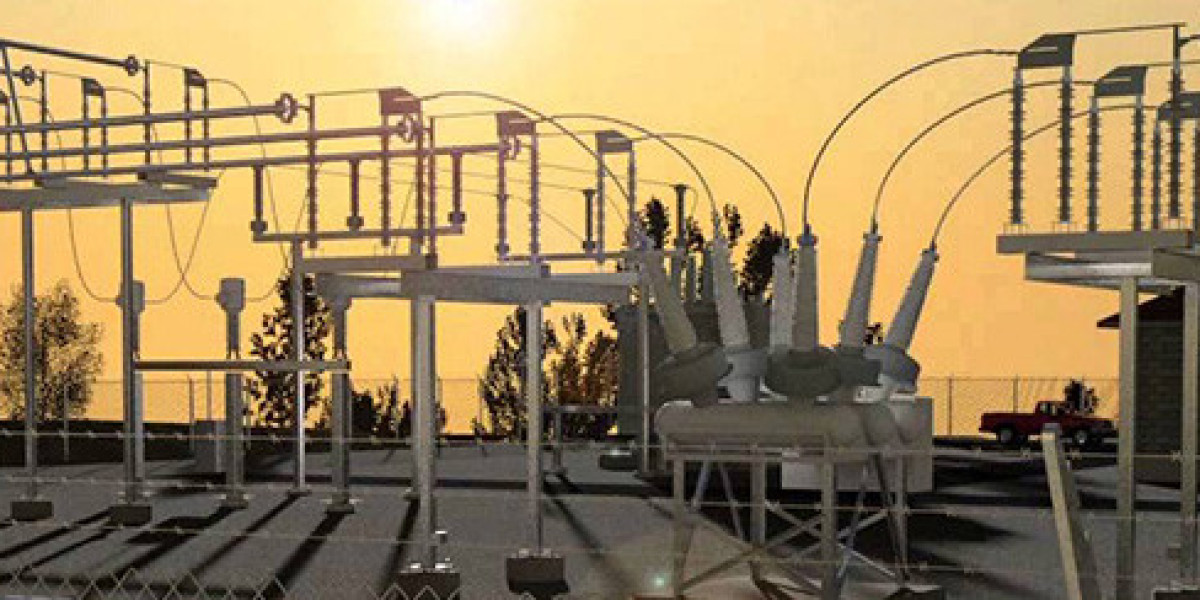
With modern grid systems moving towards digital transformation, are substation contractors experienced in implementing 3D digital substation modeling for modern grid systems? Leading contractors are adopting 3D modeling tools for better visualization, planning, and execution. These models allow engineers to simulate the physical layout, assess spatial constraints, and identify design conflicts before construction begins. 3D digital substations also support efficient asset management, predictive maintenance, and remote operation, making them an essential tool for future-ready infrastructure.
Qualifications for Testing and Commissioning
During project handover, accuracy and compliance are paramount. What qualifications should substation contractors have for managing both testing and commissioning services? Contractors should have licensed engineers and certified technicians trained in industry standards such as IEC, IEEE, and local utility regulations. Experience in end-to-end testing—from primary injection to relay configuration—is crucial. A strong understanding of protection schemes, grounding systems, and control logic also ensures that the systems are safe, reliable, and fit for purpose.
Optimizing Solar Farm Performance Through O&M
Once a solar substation is live, maintaining efficiency is a long-term task. Can substation contractors help optimize the performance of solar farm substations through ongoing O&M? Yes, experienced contractors offer performance monitoring, fault diagnostics, and preventive maintenance tailored to renewable assets. They implement analytics-based maintenance schedules and real-time performance tracking, identifying inefficiencies before they escalate. This helps optimize energy yield, minimize unscheduled outages, and meet performance guarantees critical to financial viability.
Conclusion
In the age of renewable energy and digital infrastructure, substation contractors are more than just service providers—they are strategic partners in the development, execution, and maintenance of high-performance electrical networks. From initial substation design to advanced protection & control strategies, their contributions are key to the success of solar farm services and integration with the broader power grid. Whether it’s accurate power system analysis, robust high voltage testing, or leveraging 3D digital substation tools, partnering with the right contractor can make a substantial difference in operational safety, efficiency, and long-term sustainability.















