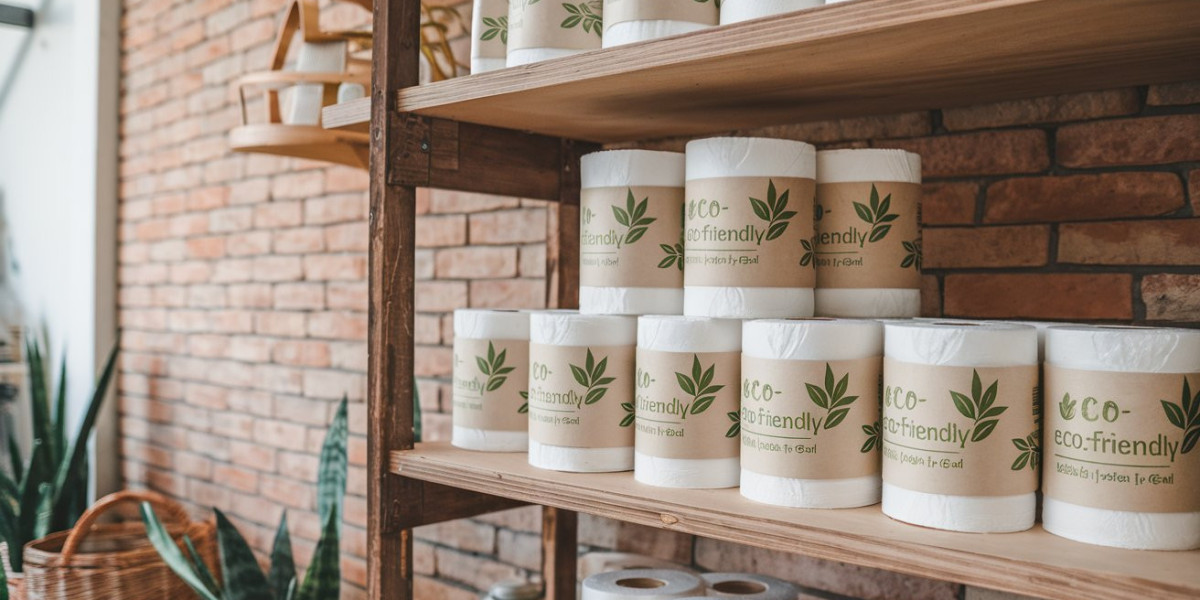

Demand for Sustainable Alternatives in Daily Use
Tissue paper is one of the most used disposable products across homes, businesses, and institutions. Whether for personal hygiene, food service, or packaging, its presence is constant. However, its widespread usage also contributes to paper waste, deforestation, and water consumption in manufacturing.
As global awareness of environmental sustainability grows, individuals and organizations are actively seeking eco friendly options when purchasing tissue paper. These alternatives help reduce environmental impact while still serving essential day-to-day needs. Choosing the right eco-conscious tissue paper involves understanding materials, certifications, and the types of available solutions.
What Makes Tissue Paper Eco Friendly
Sustainable tissue paper is designed to minimize harm to the environment at every stage, from sourcing to disposal. Several characteristics define an eco friendly product:
Recycled Content: Made from post-consumer waste paper rather than virgin wood pulp.
Unbleached or Chlorine-Free: Uses alternative whitening processes to reduce water pollution.
Biodegradable and Compostable: Breaks down naturally without leaving microplastics or toxins.
Renewable Fibers: Uses fast-growing plants like bamboo or sugarcane as raw materials.
Minimal Packaging: Sold in recyclable or compostable wraps instead of plastic.
These elements together define a more responsible choice for both individual consumers and commercial buyers.
Material Choices for Eco Conscious Buyers
One of the primary decisions in selecting sustainable tissue paper lies in choosing the right material source. Options vary in cost, quality, and environmental impact.
Recycled Pulp
Recycled pulp remains one of the most accessible and effective eco friendly options. It reduces the demand for virgin wood, lowers landfill waste, and uses less water and energy in processing. Many recycled tissues may feel slightly rougher, making them more suitable for kitchen rolls or napkins rather than premium facial tissue.
Bamboo-Based Tissue
Bamboo grows rapidly and requires less water compared to hardwood trees. Tissue paper made from bamboo pulp offers a soft texture and a naturally biodegradable profile. While it may be slightly more expensive, it offers a strong alternative for buyers seeking both comfort and sustainability.
Agricultural Waste Fibers
Fibers derived from sugarcane bagasse or wheat straw are also used to produce tissue paper. These materials are by-products of farming and help reduce waste. They are increasingly seen in eco-conscious product lines, particularly in packaging or napkin formats.
Certifications to Look For
To identify genuine eco friendly tissue paper products, buyers should look for certifications that verify sustainable sourcing and production practices:
FSC (Forest Stewardship Council): Ensures the paper is sourced from responsibly managed forests.
PEFC (Programme for the Endorsement of Forest Certification): Similar to FSC, validating sustainable forest use.
EcoLabel / EU Flower: Indicates reduced environmental impact across the product lifecycle.
Chlorine-Free Certifications: Confirms the absence of harmful bleaching chemicals in production.
These third-party certifications help avoid greenwashing and give buyers confidence in their environmental choices.
Comparing Eco Options by Application
Different tissue paper uses demand different characteristics. Understanding how eco friendly products fit into various categories helps in choosing the best option for your specific needs.
You can explore more on the types of tissue paper to see how these align with sustainable options:
Facial Tissue: Opt for soft recycled or bamboo-based tissue with minimal fragrance.
Toilet Paper: Recycled toilet rolls with plastic-free packaging are widely available.
Kitchen Towels: Choose 100 percent recycled options with strong absorbency.
Napkins and Table Tissue: Look for unbleached or printed-free designs for events or cafés.
Wrapping Tissue: Use recycled or plant-based paper for sustainable packaging.
Matching eco criteria to specific functions ensures that sustainability does not compromise usability.
Business Considerations for Bulk Eco Purchases
Businesses that require tissue paper in large quantities — such as hotels, schools, restaurants, and clinics — can make a significant environmental difference by switching to sustainable sources. Beyond reducing ecological impact, adopting eco friendly tissue paper also supports a brand’s image as socially and environmentally responsible.
Additional benefits include:
Meeting government or organizational sustainability targets
Appealing to environmentally conscious customers
Qualifying for green building certifications in commercial spaces
Eco friendly options are now widely available in wholesale formats, making them suitable even for high-volume operations.
Challenges and Myths Around Sustainable Tissue Paper
Some buyers avoid eco friendly tissue options due to misconceptions. Addressing these concerns is important for increasing adoption:
Myth: Recycled tissue is always rough.
Fact: Many recycled or bamboo-based tissues now offer softness comparable to virgin pulp.Myth: Sustainable tissue is too expensive.
Fact: While initial costs may be slightly higher, bulk purchasing and long-term supply contracts can offset the price difference.Myth: Green products lack variety.
Fact: Eco lines now include a full range of tissue types with customizable features.
Understanding the real trade-offs versus perceived limitations helps more buyers transition confidently.
Final Notes on Private Label and Eco Branding
As sustainability becomes a priority for both consumers and organizations, businesses are finding ways to integrate eco values into their branding. One growing trend is offering tissue products through tissue private label solutions, customized packaging, logos, or eco messaging printed directly onto the product or box.
This approach allows companies to showcase their environmental commitment while also delivering a basic but appreciated necessity to customers. Whether it’s a boutique hotel, a wellness brand, or a corporate office, aligning tissue paper choices with eco principles adds depth to customer experience and brand identity.
Making the shift toward eco friendly tissue options is not just a better environmental choice, it's also a forward-looking business decision.