
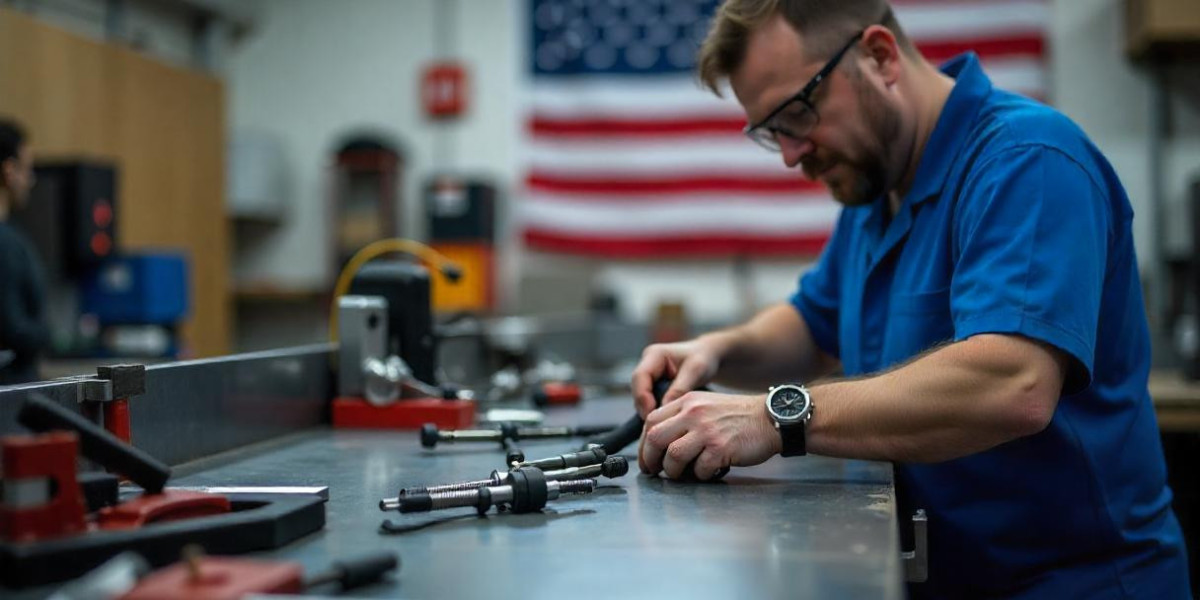

Seoam Chuck Jaws are a critical part of CNC machines and lathes. They help hold workpieces firmly during cutting, shaping, or drilling. But like all tools, they need proper care. With regular maintenance, Seoam chuck jaws can last longer, perform better, and save you money in the long run.
In this blog, we will share simple and effective tips to keep your chuck jaws in top shape. We’ll explain how they work, what to check for, how to clean them, and much more. If you’re a machinist, engineer, or manufacturer, these tips can help you avoid costly repairs and keep your machine running smoothly.
Understanding Your Seoam Chuck Jaws
How Chuck Jaws Work
Chuck jaws are used to grip or hold an object tightly while it is being machined. In most machines, the chuck rotates, and the jaws move in or out to hold the part.
There are different types of jaws:
Soft jaws: These can be machined to fit a specific part and are great for delicate or custom jobs.
Hard jaws: Made of strong steel, used for general or repeated work.
Both types are common in CNC machines. Knowing which one you use and how it works helps in better maintenance.
Materials and Design
Seoam chuck jaws are usually made from strong materials like alloy steel or hardened steel. These materials are chosen because they can handle a lot of pressure without breaking.
Design also matters. Some jaws have special grooves or patterns to improve grip. Others are made lightweight for faster machine speeds. All these design elements affect how long the jaws last and how they perform.
Signs of Wear
Over time, chuck jaws can wear out. Look for these signs:
Visible cracks or chips on the surface
Misalignment when closing
Slipping or weak grip on parts
If you ignore these signs, your machine might not cut accurately, leading to poor-quality parts and even machine damage.
Regular Inspection and Cleaning
Daily Checks
Checking your Seoam chuck jaws daily can help catch problems early. Here’s what to do:
Inspect for cracks, rust, or broken edges
Make sure the jaws move smoothly in and out
Test if they hold parts tightly without slipping
Doing this every day before and after use adds only a few minutes but prevents big problems.
Deep Cleaning Steps
Every shift or at the end of the day, do a deeper clean:
Use a soft brush or cloth to remove chips and dust.
Apply a mild industrial cleaner or degreaser (avoid harsh chemicals).
Clean all moving parts, grooves, and screws.
Wipe everything dry before storing or reusing.
A clean chuck jaw performs better and avoids wear from trapped dirt or metal chips.
When to Replace or Repair
If a jaw shows heavy damage or doesn’t grip properly even after cleaning, it’s time to replace it.
Example: One company ignored small cracks in the jaws. Eventually, during machining, a jaw slipped, damaging the entire part. They had to redo the job, costing time and money. A simple replacement earlier could have avoided this.
Proper Lubrication and Adjustment
Lubrication Best Practices
Like any moving machine part, chuck jaws need lubrication to work well.
Tips:
Use recommended machine oil or grease for your Seoam chuck jaws.
Lubricate the jaws and screws every 2–3 days, or more if used heavily.
Don’t over-lubricate. Too much oil can attract dust.
Good lubrication reduces wear and keeps the jaws moving freely.
Correct Adjustment Techniques
To make sure the jaws grip correctly:
Align them properly before tightening.
Use the correct torque to avoid over-tightening.
Check the jaws sit flat and evenly on the chuck body.
Wrong adjustments can wear out the jaws faster or even damage your parts.
Expert Tips
A machine shop owner shares:
"We clean and oil our chuck jaws after every shift. It takes just 5 minutes but has saved us hours of machine downtime. The jaws last longer and grip more securely."
Storage and Handling Tips
Safe Storage Practices
When not in use, chuck jaws should be stored the right way:
Keep them in a clean, dry cabinet or toolbox.
If possible, use protective covers or boxes to prevent dust and rust.
Avoid storing them directly on dirty or wet surfaces.
Handling Tips
Proper handling also matters:
Never drop the jaws—they can crack or bend.
When mounting or removing, follow proper tools and techniques.
Don’t force jaws into place; align them gently.
Damaged jaws from mishandling can reduce machining accuracy or even cause accidents.
Environmental Considerations
Humidity can cause rust. To protect your jaws:
Use dehumidifiers in storage areas.
Place desiccant packs (like silica gel) inside storage boxes.
Regularly check for moisture or rust spots.
A dry, controlled environment can double the lifespan of your chuck jaws.
Implementing Preventive Maintenance Schedules
Scheduled Checks
Instead of random checks, make a maintenance checklist. Here’s a simple schedule:
Daily: Basic visual check and cleaning.
Weekly: Deep clean and oiling.
Monthly: Full inspection, lubrication, and testing alignment.
Keep a logbook or digital sheet to track maintenance history.
Training Staff
All machine operators should be trained in chuck jaw maintenance:
Teach the signs of wear and how to clean.
Use posters or visual guides near machines.
Offer short training sessions every few months.
When everyone knows what to look for, problems are caught early.
Benefits of Routine Maintenance
Doing regular maintenance brings many benefits:
Chuck jaws last up to 50% longer
Less machine downtime due to breakdowns
Better accuracy and performance
Lower repair and replacement costs
It’s a small effort for big savings and smooth operations.
Conclusion
Proper care and maintenance of your Seoam Chuck Jaws is key to long-lasting performance and better results. From regular checks and cleaning to smart storage and training, each step helps extend the life of your chuck jaws.
To recap:
Inspect and clean them daily.
Lubricate often and adjust properly.
Store and handle with care.
Follow a preventive schedule and train your staff.
These simple actions can prevent expensive breakdowns, improve your machining quality, and save you time and money.
Take action today: Start a maintenance routine for your Seoam chuck jaws and enjoy more precision, less downtime, and longer tool life.