
Introduction
In today's world, cleanliness has taken on a new meaning. It's no longer just about removing dirt or making things look tidy; it's about safeguarding health, reducing the spread of infectious diseases, and creating peace of mind. Whether you are managing a bustling workplace, a healthcare facility, a school, or your own home, maintaining hygienic spaces has become a necessity. As awareness grows, so does the demand for professional disinfection services — and with good reason.
This article will walk you through why regular disinfection is critical, how it differs from everyday cleaning, what methods and technologies are most effective, and why relying on experts might be your smartest move. We'll also explore the value of such services in both urban and rural settings, for both residential and commercial properties.
The Difference Between Cleaning and Disinfecting
Cleaning and disinfecting are often used interchangeably, but they serve very different purposes. Cleaning typically involves removing dirt, dust, and grime from surfaces. It's an essential step in maintaining appearances and basic hygiene. Disinfecting, on the other hand, focuses on killing germs — viruses, bacteria, and other pathogens — on surfaces.
While cleaning may make a surface look spotless, it doesn't necessarily eliminate invisible threats. That's where disinfection comes in. It targets the microbes that can cause illnesses, especially in high-traffic areas or places where people are more vulnerable, such as hospitals, offices, gyms, and schools.
The Rising Importance of Disinfection in a Post-Pandemic World
The COVID-19 pandemic was a global wake-up call that radically changed how we view cleanliness. Suddenly, things like sanitizing shopping carts, wiping down doorknobs, and deep-cleaning offices weren't optional — they were critical safety measures.
Even as the world gradually returns to normal, the pandemic has left a permanent imprint. Businesses and homeowners alike are more aware of microbial threats. Regular disinfection is now seen not just as a precaution, but as an essential part of maintaining public and private spaces.
This heightened awareness has led to a surge in demand for disinfection solutions that go beyond what traditional cleaning methods can offer. High-grade disinfectants, electrostatic sprayers, and professional-grade equipment are now commonly used to ensure thorough sanitation.
Where Disinfection Is Most Needed
Some spaces carry a higher risk of pathogen transmission than others. These include:
Healthcare Facilities: Hospitals, dental clinics, and medical offices must follow strict disinfection protocols to prevent the spread of healthcare-associated infections.
Offices and Corporate Buildings: Shared desks, breakrooms, restrooms, and conference rooms can harbor a multitude of germs.
Schools and Daycare Centers: Young children often lack hygiene awareness, making frequent disinfection crucial.
Gyms and Fitness Studios: Sweaty equipment, shared mats, and locker rooms require meticulous disinfection to prevent fungi and bacteria from spreading.
Retail Stores and Restaurants: With constant foot traffic and frequent contact with surfaces, these establishments benefit from regular sanitation.
Public Transport and Vehicles: Buses, taxis, and rideshare cars need ongoing disinfection to protect both passengers and drivers.
Residential properties, particularly those with infants, elderly, or immunocompromised individuals, also benefit greatly from professional disinfection.
The Science Behind Disinfection: What Really Works?
Effective disinfection relies on using the right chemical agents and methods. Here are some commonly used technologies:
EPA-Approved Disinfectants: These are tested and verified for their ability to kill viruses, bacteria, and fungi.
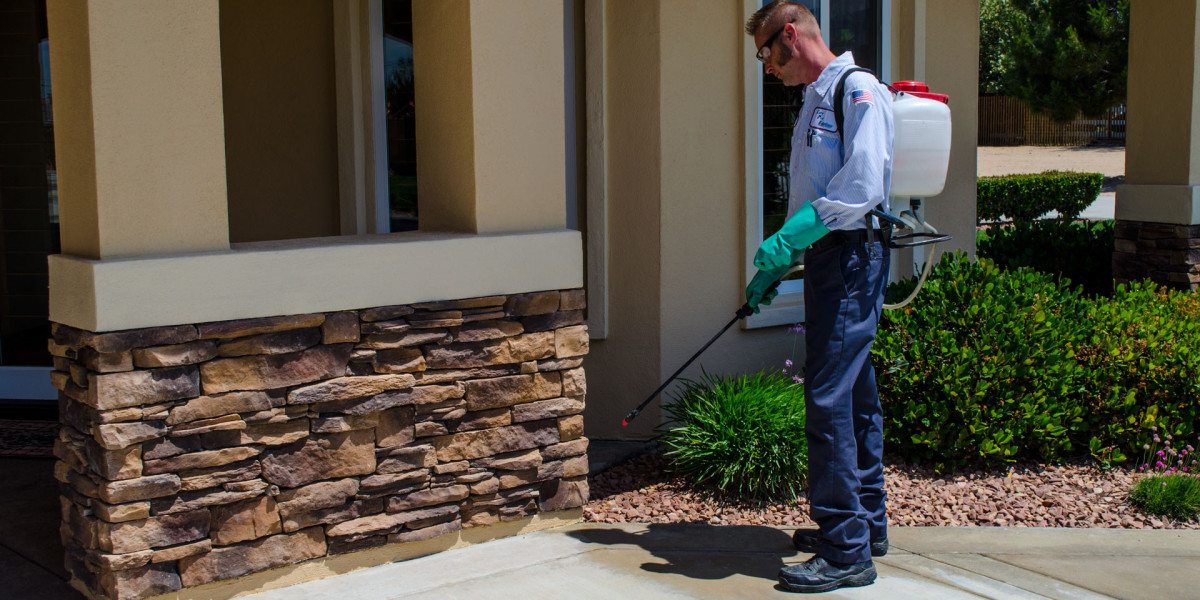
Electrostatic Sprayers: These apply a positive charge to disinfectant droplets, ensuring they cling to surfaces evenly and penetrate hard-to-reach areas.
ULV Fogging Machines: These machines produce a fine mist of disinfectant that can cover large spaces quickly and efficiently.
UV-C Light Technology: Some companies use UV-C light, which disrupts the DNA of microorganisms, rendering them inactive.
Each method has its advantages, and often a combination of these is used for maximum effectiveness.
The Cost of Neglecting Disinfection
Ignoring disinfection routines can have serious consequences. In business environments, an outbreak of illness can lead to employee absenteeism, reduced productivity, and even temporary closures. For households, poor sanitation increases the risk of infections spreading among family members.
Beyond the health implications, there are also financial risks. Medical bills, potential lawsuits, and brand reputation damage can result from neglecting hygiene responsibilities. For landlords or property managers, disinfection can also be a requirement under health regulations or lease agreements.
Professional vs. DIY Disinfection: Which Is Better?
While DIY solutions like household sprays and wipes are useful for day-to-day cleaning, they can't replace the thoroughness of professional services. Here's why:
Consistency: Professionals follow systematic protocols that ensure every surface is treated properly.
Training: Certified technicians are trained in the correct use of chemicals, including dilution ratios and dwell times.
Equipment: Industrial-grade tools cover more area in less time and reach difficult corners that are often missed during routine cleaning.
Documentation: Commercial disinfection services provide verification and documentation, which may be needed for regulatory compliance or insurance purposes.
In the mid-section of this conversation, it's worth mentioning that many people search for disinfecting services near me when a serious concern arises — like after a COVID exposure or when moving into a new property. But waiting until it's urgent isn't ideal. Routine disinfection, on a scheduled basis, can help prevent problems before they arise.
The Psychological Impact of a Clean Environment
There's also a mental and emotional benefit to disinfection. Clean, sanitized environments contribute to peace of mind, lower anxiety levels, and increased trust — especially in business settings. Employees feel safer coming to work, customers are more likely to return, and family members can breathe easier knowing their home is truly clean.
In schools, students and teachers alike benefit from fewer sick days and a more focused learning environment. In restaurants and cafes, visible cleanliness encourages diners to stay longer and recommend the place to others.
Sustainability and Safe Disinfecting Practices
The rise in disinfection has also raised questions about chemical use and environmental impact. Fortunately, many modern disinfection companies now prioritize eco-friendly practices:
Biodegradable Chemicals: These break down naturally without leaving harmful residues.
Non-toxic Solutions: Particularly important in homes with pets and small children.
Water-based Disinfectants: Safe and effective for everyday use.
Green Certifications: Some providers use only products that meet green cleaning standards.
Consumers are becoming increasingly eco-conscious, and the demand for sustainable disinfection options continues to rise.
Choosing the Right Disinfection Service Provider
When selecting a service, it's important to vet the company thoroughly. Consider the following:
Experience and Reputation: Look for companies with a solid track record and positive customer reviews.
Certifications and Training: Make sure your technicians are trained and certified in infection control procedures.
Customized Plans: Good providers will assess your specific needs and offer a tailored disinfection schedule.
Transparency: Clear communication on pricing, chemicals used, and what is covered in the service.
You can also ask for references or case studies from previous clients. This helps gauge their reliability and professionalism.
How Often Should You Disinfect?
The frequency of disinfection depends on the nature of the space and its usage:
Homes: Weekly to monthly, depending on traffic and occupants.
Offices: Weekly or bi-weekly for general use; more frequently for shared areas.
Medical Facilities: Daily or even several times a day.
Restaurants and Gyms: At least daily, with high-touch areas treated multiple times per day.
Consistency is key. Occasional deep cleans are helpful, but ongoing maintenance is what keeps pathogens under control.
Final Thoughts: Cleanliness as a Way of Life
Disinfection is no longer a luxury — it's a lifestyle. From public spaces to private homes, maintaining a hygienic environment is one of the most effective ways to protect health, build trust, and maintain a positive image.
By staying proactive and informed, you can make decisions that benefit not just your physical health, but your mental well-being and financial future as well. Whether you're responsible for a large commercial facility or simply want a healthier home, investing in proper disinfection is a smart, future-proof choice.