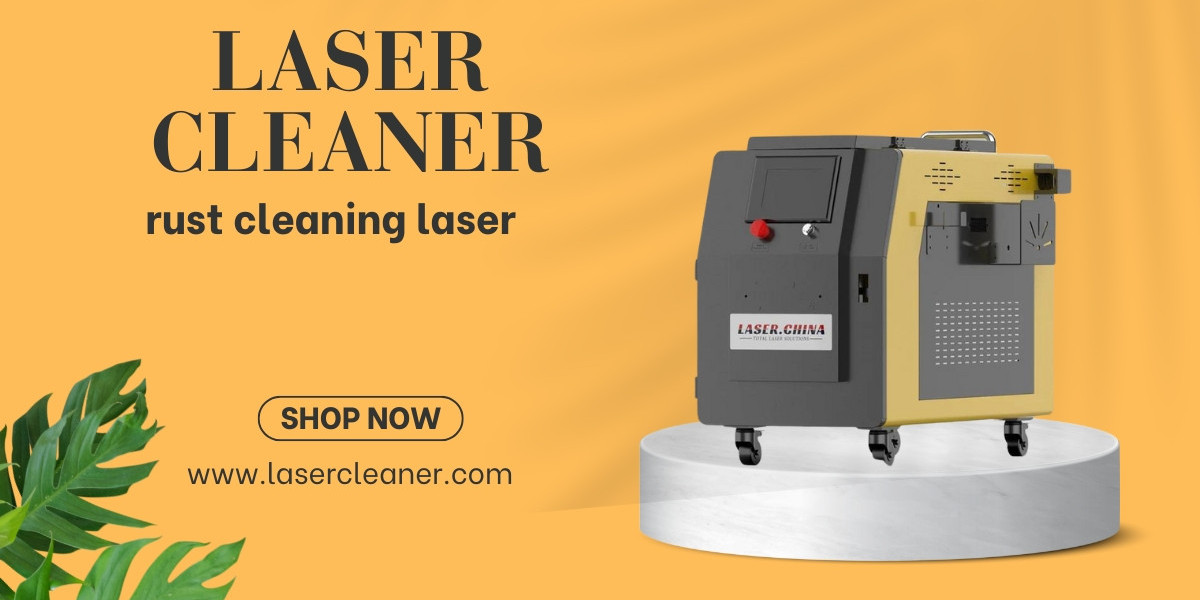

What Is a Rust Cleaning Laser and Why Is It Changing the Industry?
Rust cleaning lasers—also known as laser cleaners or laser rust removers—represent a groundbreaking shift in industrial surface preparation. Using high-powered laser beams, these machines precisely remove oxidation, paint, and contaminants without damaging the underlying material. It’s fast, eco-friendly, and incredibly precise—making it a preferred alternative to sandblasting, chemical solvents, or mechanical grinders.
As industries seek more sustainable and cost-effective maintenance solutions, rust cleaning laser systems have become essential tools across sectors like aerospace, automotive restoration, shipbuilding, manufacturing, and civil infrastructure.
How Does a Laser Rust Cleaner Work?
Laser rust removal uses a principle called laser ablation. When directed at a corroded surface, the laser emits bursts of focused light that vaporize the rust layer by layer.
Here’s a step-by-step breakdown:
Laser beam is emitted from a handheld or robotic nozzle.
Surface absorbs energy, heating the rust or coating.
Oxidized material evaporates, while the base material remains unaffected.
No secondary waste—only vaporized rust, which can be collected with filtration.
This method ensures there is minimal thermal damage, no abrasives involved, and virtually no cleanup compared to traditional processes.
Types of Rust Cleaning Lasers
| Laser Type | Power Range | Best For | Cleaning Speed |
|---|---|---|---|
| Low-Power (20-50W) | Entry-level | Fine details, precision objects | Slower |
| Mid-Power (100-200W) | Balanced use | Automotive parts, mold cleaning | Moderate |
| High-Power (500W+) | Industrial scale | Ship hulls, bridges, heavy rust | Fastest |
Benefits of Using a Laser Cleaner for Rust
Contactless Process: No tool wear, no scratches or micro-abrasions.
Chemical-Free: Safe for operators, eco-friendly for the environment.
High Precision: Great for sensitive materials like aluminum, stainless steel, or even historic artifacts.
Time-Saving: Reduce labor time significantly; clean in seconds rather than hours.
Cost-Efficient: Lower operational costs over time due to no consumables.
Applications in Different Industries
Automotive Restoration:
Remove rust from undercarriages, chassis, and engine blocks without disassembling parts.Aerospace:
Strip old paint and corrosion layers from aircraft components with high accuracy.Manufacturing Plants:
Clean conveyor belts, molds, and robotic machinery to improve operational uptime.Shipbuilding & Marine:
Eliminate corrosion from hulls, propellers, and ballast tanks while reducing environmental pollution.Oil & Gas:
Maintain pipelines and offshore equipment with minimal downtime and no sparks.
Frequently Asked Questions
Q: Is a rust cleaning laser safe to use indoors?
A: Yes. Most systems come with enclosed laser heads and filtration units to capture debris and fumes, making them safe for indoor environments.
Q: Can a laser cleaner damage the base material?
A: No. Laser cleaners are calibrated to only target rust or coatings. The metal substrate remains intact.
Q: How much training is needed to operate one?
A: Basic training (typically under 1 hour) is sufficient for handheld units. Industrial-grade systems may require additional training for safety protocols.
Q: Do laser rust removers require maintenance?
A: Minimal maintenance is needed. Regular lens cleaning and air filter replacements keep the system running efficiently.
Q: What materials can be cleaned with a laser?
A: Most metals, including steel, aluminum, copper, and iron. Not suitable for plastic or glass surfaces.
Expert Insights: What Makes a Good Rust Cleaning Laser?
When choosing a rust cleaning laser, consider these critical factors:
Wavelength and pulse duration (nanosecond vs. picosecond)
Portability (handheld vs. stationary)
Power output (to match cleaning speed and depth)
Cooling system (air-cooled for portability, water-cooled for heavy duty)
Laser source (fiber lasers offer durability and longevity)
Companies with certifications, professional training support, and real-world case studies tend to offer more trustworthy laser rust cleaning solutions. Always choose providers with compliance to international safety standards.
Laser Rust Removal vs. Traditional Methods
| Method | Time Efficiency | Environmental Impact | Surface Safety |
|---|---|---|---|
| Laser Cleaning | High | Very Low | Excellent |
| Sandblasting | Moderate | High Dust Generation | Surface Erosion |
| Chemical Solvents | Low | Toxic Waste | Possible Corrosion |
| Wire Brushing | Low | Minimal | Manual Damage Risk |
Final Thought
Laser rust cleaning is not just a trend—it’s a smarter, cleaner, and more efficient way to restore metal surfaces. Whether you're looking to improve workflow in an industrial setting or maintain the value of vintage machinery, the laser cleaning method offers superior results without the drawbacks of traditional techniques.