
Introduction to Cholesterol and Lipid Blood Tests
Have you ever had your cholesterol tested? If not, now might be the time. Cholesterol and lipid blood tests are some of the most essential tools in understanding your risk for heart disease. These simple tests can reveal a lot about your body's health—and help prevent serious issues down the road.
What Are Lipids and Cholesterol?
Lipids are fats that circulate in your bloodstream and are necessary for building cells and producing hormones. Cholesterol is one of the main types of lipids. While some cholesterol is necessary, too much can clog your arteries like grease in a drainpipe.
HDL, LDL, and Triglycerides Explained
HDL (high-density lipoprotein) is considered the “good” cholesterol—it helps remove bad cholesterol from the blood. LDL (low-density lipoprotein) is the “bad” cholesterol that can build up in artery walls. Triglycerides are another type of fat in the blood, often linked to diet.
Why Cholesterol Testing Is Important
High cholesterol doesn’t come with symptoms. That’s what makes it dangerous. The only way to catch it early is through blood tests. Identifying imbalances early can prevent heart attacks, strokes, and other life-threatening conditions.
Who Should Get Tested and When?
Adults over 20 should have a cholesterol test at least every five years. Those with family history, diabetes, obesity, or high blood pressure should be tested more frequently.
Types of Lipid Panel Tests
Basic Lipid Panel
This test measures total cholesterol, HDL, LDL, and triglycerides. It’s the standard starting point for most people.
Advanced Lipoprotein Testing
In some cases, doctors might suggest more in-depth testing that looks at the size and density of lipoproteins. These give a more complete picture of cardiovascular risk.
How the Test Is Done
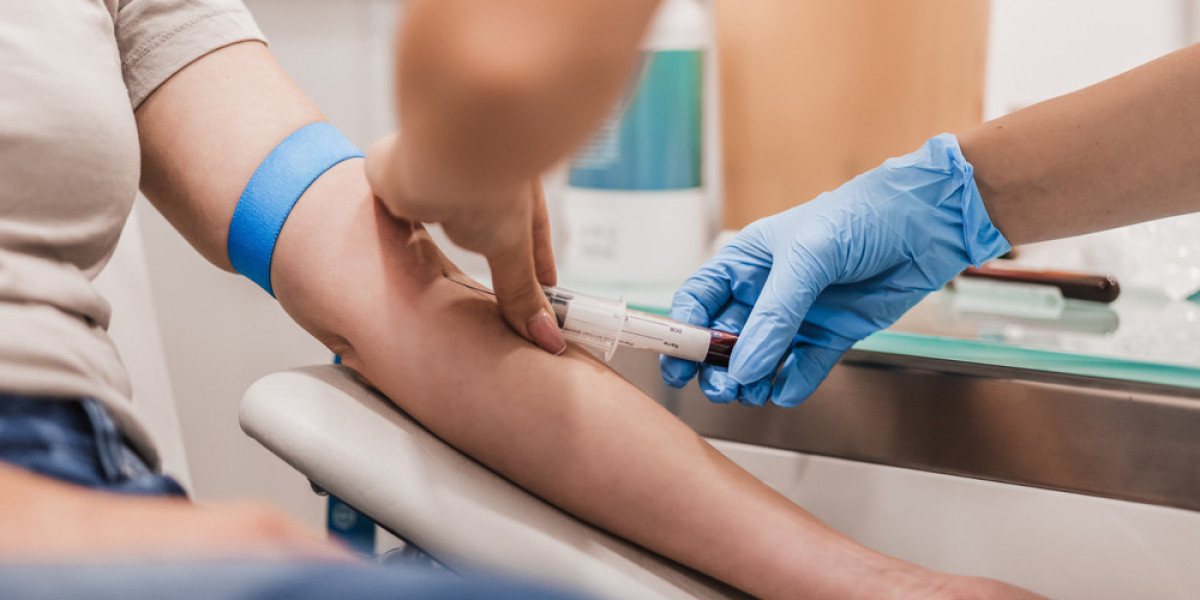
A healthcare provider draws a small blood sample from your arm. It only takes a few minutes and is generally painless.
What to Expect During the Test
You may be asked to fast for 9–12 hours beforehand, especially if you're getting a full lipid panel. This helps ensure accurate triglyceride readings.
Understanding Your Test Results
What Is a Normal Cholesterol Range?
- Total Cholesterol: Less than 200 mg/dL
- LDL: Less than 100 mg/dL
- HDL: 60 mg/dL or higher
- Triglycerides: Less than 150 mg/dL
What High or Low Levels Might Mean
- High LDL or triglycerides mean higher risk of heart disease.
- Low HDL can also increase risk, as HDL protects against plaque buildup.
Risk Factors That Affect Cholesterol Levels
Your cholesterol levels can be influenced by age, diet, genetics, physical activity, smoking, and conditions like hypothyroidism or diabetes.
Conditions Related to Abnormal Lipid Levels
Heart Disease
Plaque buildup from high LDL can narrow arteries, leading to coronary artery disease.
Stroke
If an artery supplying blood to the brain gets blocked, it can cause a stroke.
Diabetes
People with diabetes often have lower HDL and higher triglyceride levels, increasing cardiovascular risk.
How to Prepare for a Lipid Test
Avoid food and drink (except water) for 9–12 hours. Let your doctor know about medications or supplements you’re taking. Wear a short-sleeved shirt for easier access to your arm.
Lifestyle and Dietary Tips for Managing Cholesterol
- Eat more fiber (oats, beans, fruits)
- Avoid trans fats and reduce saturated fats
- Exercise 30 minutes daily
- Quit smoking
- Reduce alcohol intake
Importance of Regular Monitoring
Cholesterol levels can change over time due to age, diet, and health. Routine tests help you track improvements or catch issues early before they become serious.
Role of Chughtai Lab in Lipid Testing
Chughtai Lab provides accurate, reliable lipid panel testing across Pakistan. Their state-of-the-art facilities and experienced staff ensure you get dependable results fast.
How to Access Chughtai Lab Online Reports
Chughtai Lab offers online reports , allowing you to view your test results securely and conveniently from home—no waiting in line, just click and view.
Final Thoughts on Lipid and Cholesterol Testing
Your heart's health is largely in your hands—and your blood. Cholesterol and lipid blood tests give you a clear window into your cardiovascular risk. Partnering with trusted labs like Chughtai Lab makes it easier than ever to stay informed, stay ahead, and stay healthy.
FAQs
1. How often should I get a cholesterol test?
Every 5 years if you're healthy—more often if you have risk factors or are on medication.
2. Do I need to fast before a lipid test?
Usually, yes—especially if your doctor requests a full lipid panel.
3. What does high LDL mean?
High LDL indicates a higher risk of plaque buildup in your arteries.
4. Can I lower cholesterol without medication?
Yes, lifestyle changes like diet, exercise, and quitting smoking can make a big difference.
5. Where can I get a lipid test in Pakistan?
Chughtai Lab offers comprehensive lipid testing services and online report access.