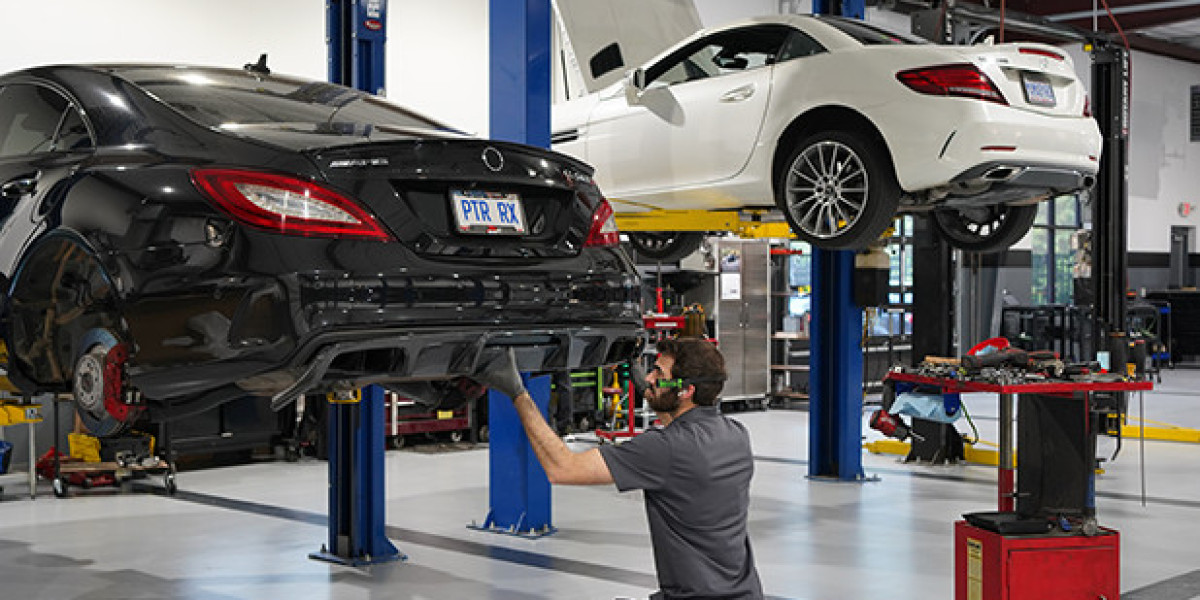

Running an auto repair shop today is more than just turning wrenches and changing oil. With customer expectations rising, vehicles becoming more complex, and competition growing, efficient auto repair management has become a vital part of success. It involves managing daily operations, streamlining processes, organizing inventory, scheduling appointments, monitoring performance, and most importantly—delivering exceptional customer service.
In this detailed guide, we’ll explore what auto repair management entails, why it’s crucial, what tools and technologies are available, and the best practices to elevate your garage into a well-organized, high-performing business.
What Is Auto Repair Management?
Auto repair management refers to the strategies, systems, and processes used to run an auto repair business efficiently. It covers everything from technician scheduling and inventory control to customer communication and financial tracking. A strong management system allows shop owners to gain visibility into every aspect of their operation, leading to better decision-making, improved customer service, and increased profitability.
Traditionally, repair shops used paper-based systems or simple spreadsheets. While these methods may still work for some small operations, they often lead to inefficiencies, errors, and wasted time. In contrast, modern auto repair management systems (also called shop management software) are designed to streamline and automate all aspects of running a shop.
The Importance of Auto Repair Management
Managing an auto repair business involves juggling many moving parts. From scheduling appointments and ordering parts to billing customers and tracking employee performance, the complexity can quickly become overwhelming without a structured system in place.
Here’s why proper management is essential:
Boosts Productivity: A well-organized workflow ensures jobs are assigned properly and technicians know exactly what to do and when.
Reduces Errors: Mistakes in billing, inventory, or customer records can damage your reputation. Management systems reduce these risks.
Improves Customer Experience: Fast service, accurate estimates, and clear communication keep customers happy and returning.
Increases Profitability: By optimizing labor, parts usage, and job tracking, shops can improve margins and grow their bottom line.
Core Components of Effective Auto Repair Management
A robust auto repair management strategy encompasses multiple operational areas. Each one contributes to the overall efficiency and customer satisfaction of your business.
Appointment Scheduling and Work Orders
Managing customer appointments is the first step in any repair process. A digital scheduling system allows you to easily book and manage appointments, assign tasks to technicians, and keep track of work orders. It provides a real-time view of all jobs in progress and their status, minimizing downtime and confusion.
Work orders should be detailed and easy to update. Auto repair management software lets you create digital work orders that include vehicle details, diagnostics, parts needed, labor time, and technician notes—all in one place.
Inventory and Parts Management
Every repair shop deals with a wide variety of parts, fluids, tools, and supplies. Keeping track of this inventory manually is inefficient and often leads to lost items or overstocking. Modern inventory management systems track every part from the moment it’s received to when it’s used on a job.
Features like automatic reordering, barcode scanning, and vendor integration ensure you never run out of critical items and don’t waste money on unnecessary stock.
Invoicing, Billing, and Payments
Accurate invoicing is essential for customer satisfaction and your bottom line. Auto repair management software can generate detailed invoices that include parts used, labor charges, taxes, and any discounts. Integration with accounting platforms like QuickBooks helps with bookkeeping and simplifies tax filing.
Many systems also support multiple payment options, including credit cards, mobile payments, and financing solutions—making it easy for customers to pay on the spot.
Customer Relationship Management (CRM)
The ability to maintain strong relationships with customers is what sets successful shops apart. A built-in CRM system stores customer information, service history, vehicle details, and preferences. This allows you to send reminders for oil changes, inspections, or tire rotations—keeping your shop top of mind.
CRM features also include follow-ups, promotions, and feedback requests. A personalized approach builds trust and increases repeat business.
Technician and Labor Management
Technicians are the backbone of your shop. Managing their schedules, tracking time spent on jobs, and evaluating performance are essential aspects of shop management. With the right system, you can monitor technician efficiency, identify training needs, and balance workloads.
Technician portals also allow workers to view job details, update statuses, and log their hours directly from their mobile devices or computers.
Reporting and Analytics
To grow your business, you need to measure performance. Auto repair management software generates reports on key metrics like sales, job completion time, technician productivity, inventory turnover, and customer retention. These insights help you identify bottlenecks, cut unnecessary costs, and make data-driven decisions.
Benefits of Using Auto Repair Management Software
The advantages of implementing a dedicated auto repair management system are significant:
Time Savings
By automating tasks like scheduling, invoicing, and inventory updates, your staff can focus more on customer service and less on administrative work.
Reduced Errors
Automation reduces the risk of manual errors, whether it’s in billing, stock levels, or repair notes. This boosts both internal efficiency and customer trust.
Enhanced Professionalism
Digital work orders, polished invoices, and personalized communication give your business a professional edge. It shows customers that your shop is modern, organized, and trustworthy.
Better Customer Experience
Faster service, accurate updates, and proactive communication lead to happier customers. Many systems even allow customers to approve repairs and pay invoices online, adding convenience.
Increased Profitability
Through improved job tracking, labor efficiency, and inventory control, you reduce waste and maximize revenue. You can also identify your most profitable services and promote them strategically.
Top Auto Repair Management Software Options
There are several software solutions tailored specifically for auto repair shops. Some of the most popular options include:
Shop-Ware: Cloud-based platform with a user-friendly interface, digital inspections, and robust inventory tracking.
AutoLeap: Comprehensive system offering scheduling, estimates, invoicing, and CRM tools.
Mitchell 1 Manager SE: Long-trusted desktop software with powerful diagnostic and management features.
Tekmetric: Known for clean UI and deep reporting features, suitable for multi-location shops.
RO Writer: Offers customizable workflows, parts ordering, and accounting integrations.
Each platform has unique strengths, so it’s important to assess your business needs and request a demo before making a decision.
Best Practices for Managing Your Auto Repair Shop
To get the most out of your auto repair management efforts, follow these expert tips:
Standardize Your Processes
Create consistent procedures for everything from vehicle intake to billing. This improves efficiency and makes it easier to train new staff.
Train Your Team
Even the best software is only as effective as its users. Invest in ongoing training to ensure your team knows how to use all the system’s features.
Monitor KPIs Regularly
Track performance indicators such as average repair time, revenue per work order, customer satisfaction scores, and technician productivity. Use this data to guide improvements.
Stay Up to Date
The automotive industry is constantly evolving. Stay informed about new tools, training, and technology to stay ahead of the curve.
Focus on Customer Communication
Set expectations with clear estimates, keep customers updated on job status, and ask for feedback after service. Transparency builds loyalty and encourages word-of-mouth referrals.
The Future of Auto Repair Management
As technology continues to evolve, the future of auto repair management looks promising. We can expect greater integration with connected vehicles, AI-driven diagnostics, predictive maintenance reminders, and mobile-first platforms.
Shops that adopt these technologies early will be better positioned to serve tech-savvy customers, operate more efficiently, and remain competitive in a changing landscape.
Conclusion
Auto repair management is not just about keeping things running—it’s about elevating your entire operation. From technician scheduling and inventory control to billing and customer satisfaction, every element plays a role in your success.
With the help of modern management tools and a commitment to continuous improvement, any repair shop can become more efficient, profitable, and customer-focused. Whether you're a seasoned shop owner or just starting out, mastering auto repair management is the key to staying ahead in a competitive industry.
Ubicación del Autor
United Kingdom