
From the vintage streets of Osaka to the wardrobes of global trendsetters, Evisu has ridden wave after wave of fashion transformation—always staying rooted in its heritage, yet constantly pushing boundaries. “Waves of Indigo: The Evolution of Evisu Style” captures the story of a brand that began with a hand-painted gull and evolved into a cultural icon, merging tradition and rebellion in every stitch.
The First Wave: Osaka Origins and Vintage Obsession
The story of Evisu begins in 1991 with Hidehiko Yamane, a tailor and passionate collector of vintage American denim. Frustrated with the declining quality of modern jeans, Yamane decided to create a product that honored the craft and integrity of mid-20th century selvedge denim. The brand was named after Ebisu, the Japanese god of prosperity and fishermen—a fitting symbol for a label built on detail, patience, and luck.
The earliest Evisu jeans were made using vintage shuttle looms, capable of producing only a limited number of pieces per day. Yamane hand-painted the iconic seagull logo on the back pockets of each pair—an artisan’s mark of authenticity. The result wasn’t just clothing; it was wearable art. Every pair bore a signature touch, an identity beyond the norm.
This was Evisu’s first wave: a return to slow, deliberate craftsmanship in an age of speed and shortcuts. The aesthetic was rooted in heritage, but bold enough to capture the imagination of Japan’s emerging streetwear scene.
The Second Wave: The Rise of Streetwear Royalty
By the late 1990s and early 2000s, the cultural tide was shifting. Hip-hop and streetwear were redefining fashion, and Evisu was swept into the limelight. The boldness of the hand-painted gull, the richness of indigo-dyed denim, and the brand’s dedication to quality made it an underground favorite that soon exploded onto the global scene.
Rappers and celebrities embraced Evisu not just for its craftsmanship, but for what it represented—exclusivity, swagger, and originality. Jay-Z famously name-dropped Evisu in his lyrics, and artists like Lil Wayne, The Game, and Young Jeezy made the seagull synonymous with style and status. At the same time, skaters, sneakerheads, and streetwear purists adopted the brand as a cult favorite.
This era saw Evisu broaden its offerings—from jeans and jackets to tees, hoodies, and accessories. The brand experimented with loud embroidery, Japanese folklore motifs, gold-painted gulls, and denim washes that reflected the grit of urban life. It was the second wave: louder, bolder, and unapologetically stylish.
Evisu had become a symbol of self-expression—where Japanese tradition met global street culture.
The Third Wave: Artistic Collaborations and Global Reach
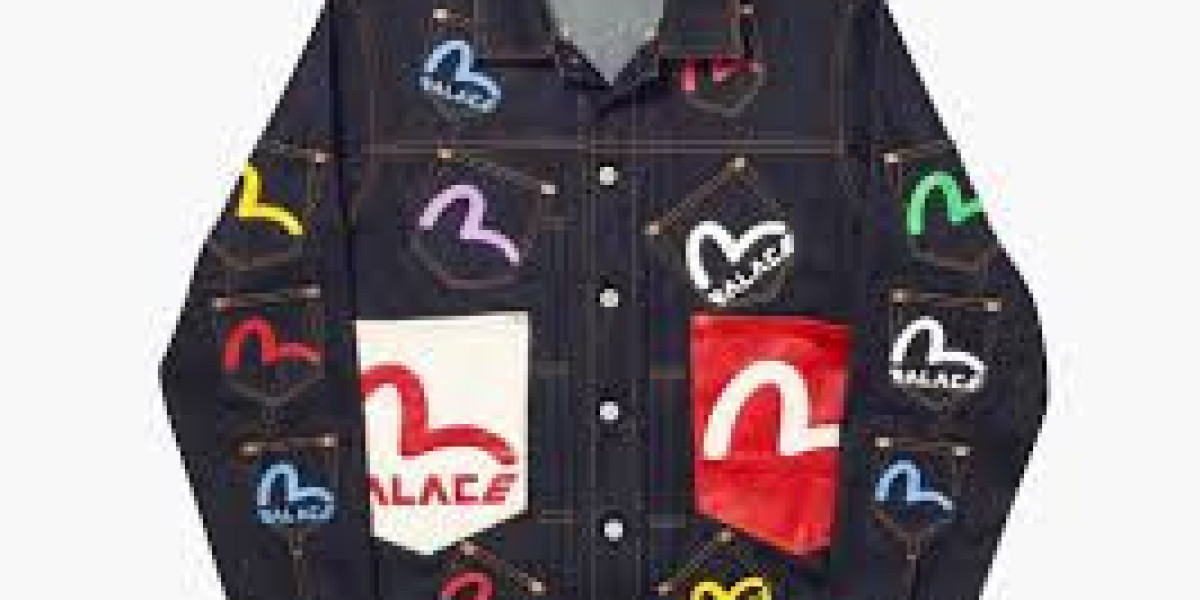
As the streetwear boom matured, Evisu capitalized on its reputation by forming strategic collaborations. Unlike many brands that diluted their identity for commercial gain, Evisu remained authentic. Whether teaming up with Puma for limited-edition sneakers or working with Palace Skateboards to merge British subculture with Japanese denim, Evisu retained its visual DNA and emphasis on artistry.
These partnerships expanded the brand's reach into new markets without losing its original voice. The collaborations were about cross-cultural fusion—allowing Evisu’s indigo roots to mix with fresh creative inputs. Evisu also embraced new silhouettes and product categories during this period, from tailored denim suits to experimental streetwear pieces, keeping the brand relevant in an ever-shifting industry.
The third wave of Evisu was marked by reinvention, but always with reverence for tradition.
The Fourth Wave: Revival, Retro, and Respect for Craft
By the 2010s, the fashion industry saw a massive resurgence of vintage aesthetics and a renewed appreciation for craftsmanship. Evisu, which had never compromised on quality, found itself at the forefront of this movement. Denim purists returned to the brand for its raw selvedge appeal, while younger audiences rediscovered it through the lens of retro streetwear.
Evisu responded by going back to its roots while fine-tuning its identity for a new era. The hand-painted gull made a strong return, along with classic Japanese graphics, traditional cuts, and heavyweight denim. The brand also leaned into personalization, offering custom paint jobs and embroidery, turning each garment into a one-of-one creation.
Sustainability, too, became a key part of the narrative. Evisu jeans slow fashion approach—limited production, high durability, and handcrafted methods—naturally aligned with eco-conscious values. In contrast to the throwaway culture of fast fashion, Evisu jeans were made to last, age gracefully, and reflect the journey of the wearer.
This fourth wave was all about refined authenticity—a rebirth for a brand that had never truly gone away.
Style Through the Seasons: The Evolution of Evisu’s Look
Evisu’s stylistic journey is rich with evolution. What began as a clean homage to vintage denim evolved into a multifaceted aesthetic that reflected both Eastern tradition and Western rebellion.
1990s: Evisu’s early style was dominated by classic denim cuts, minimal branding, and hand-painted logos. It was about quality and authenticity—no frills, just raw craftsmanship.
2000s: The brand embraced maximalism with intricate embroidery, multi-color gulls, bold graphics, and flamboyant washes. This was Evisu’s most expressive and rebellious phase—designed for those who wanted to be seen.
2010s: A more refined look emerged. Evisu began blending minimal streetwear with tailored pieces, offering a more subdued but still distinctive style. Denim jackets, button-down shirts, and selvedge denim returned to prominence.
2020s: The current aesthetic is a careful balance of heritage and modernity. Evisu remains rooted in its Japanese identity while embracing current fashion language—oversized silhouettes, clean lines, and tasteful nods to tradition. Whether it’s a limited-edition hoodie or a pair of distressed jeans, today’s Evisu pieces speak to both the past and the future.
Indigo Waves: The Meaning Behind the Color
Throughout all its evolutions, one thing has remained constant—indigo. Deep, rich, and symbolically powerful, indigo dye is a hallmark of Japanese craftsmanship and the soul of Evisu denim. The process of dyeing the fabric—repeatedly dipping it into indigo vats—is both spiritual and physical. Each layer of color tells a story. Each fade, a memory. Like waves hitting the shore, indigo denim changes shape with time, marking the passage of moments and experiences.
In Japanese tradition, indigo was a color of protection and purity. In Evisu’s world, it represents authenticity, depth, and timelessness. The waves of indigo that run through the brand’s history are more than dye—they’re a metaphor for evolution, resilience, and eternal style.
Final Reflection: Evisu's Enduring Current
Evisu’s evolution isn’t a linear journey—it’s a cycle. Like waves crashing and receding, the brand continues to reinvent itself while remaining tethered to its core. Every era brought new expressions, yet the spirit of handcraft, culture, and quality never faded.
As trends come and go, Evisu remains a constant for those who value detail, durability, and design. It’s not just about jeans or jackets—it’s about what they represent. Wearing Evisu means joining a tradition of makers, artists, and rule-breakers. It means standing at the intersection of fashion and folklore, where every brushstroke and stitch carries the weight of legacy.
And so, the waves of indigo roll on—painting the future in shades of the past, one handcrafted masterpiece at a time.