
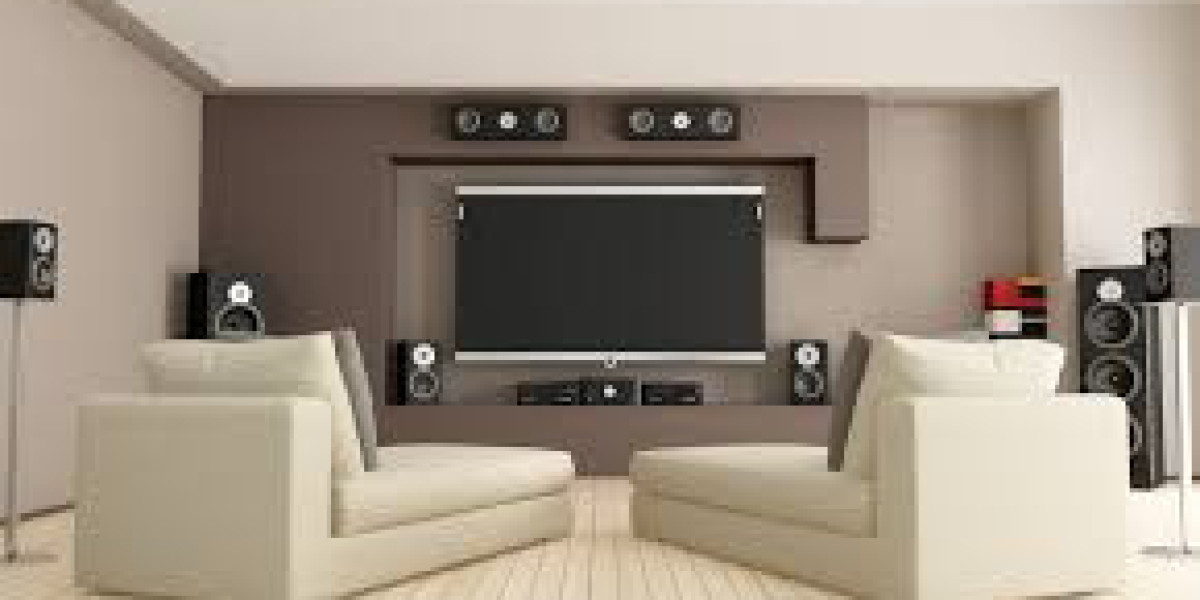

In today’s world, creating a rich audio experience in your home is easier and more affordable than ever before. Whether you’re a movie buff craving theater-like surround sound, a music lover wanting crystal-clear sound, or a gamer seeking immersive audio, choosing the right sound system for home installation can transform your living space.
This guide will walk you through everything you need to know—from different types of sound systems, installation tips, to recommendations—so you can make the best choice for your home.
Why Invest in a Sound System for Home Installation?
A great sound system does more than just amplify audio; it enriches your experience by delivering clear dialogue, booming bass, and balanced tones that bring entertainment to life. Unlike basic TV speakers, dedicated sound systems produce superior sound quality, filling your room evenly with immersive audio.
Here are a few reasons why a sound system for home installation is worth it:
Enhanced Audio Experience: Crisp highs, rich mids, and deep bass.
Customizable Setup: Tailor the system to your room’s size and layout.
Aesthetic Appeal: In-wall or ceiling speakers offer a clean, minimalist look.
Increased Home Value: A professionally installed sound system adds to your home’s appeal.
Types of Sound Systems for Home Installation
1. Soundbars
Soundbars are sleek, compact speakers that sit below your TV. They offer an easy setup and better sound than built-in TV speakers. Some advanced models include wireless subwoofers and surround sound capabilities.
Pros:
Simple installation
Space-saving design
Affordable
Cons:
Limited surround sound experience
Less customizable
2. 5.1 and 7.1 Surround Sound Systems
These systems use multiple speakers placed around the room—front, sides, rear—and a subwoofer to create a true surround sound experience.
5.1 System: Five speakers + one subwoofer.
7.1 System: Seven speakers + one subwoofer.
Pros:
Immersive, theater-like audio
Great for home theaters and gaming
Cons:
Requires more space and wiring
More complex installation
3. In-Wall and In-Ceiling Speakers
Ideal for homeowners seeking a clean, wire-free look, in-wall and in-ceiling speakers are recessed into walls or ceilings.
Pros:
Invisible or discreet design
Customizable speaker placement
Keeps floors and shelves clutter-free
Cons:
Requires professional installation
Higher upfront cost
4. Wireless Multi-Room Audio Systems
Systems like Sonos or Bose let you install speakers in multiple rooms, controlled via smartphone apps for streaming music anywhere in your home.
Pros:
Wireless, easy to expand
App-controlled
Great for background music throughout the house
Cons:
Dependent on Wi-Fi
Cost adds up with multiple rooms
Factors to Consider When Choosing a Home Sound System
Room Size and Layout
The size and shape of your room greatly affect sound quality. Larger rooms may need more powerful speakers or additional units to fill the space adequately. Odd-shaped rooms may require careful speaker placement to avoid dead zones.
Purpose
Ask yourself what you’ll mainly use the system for:
Movies and TV
Music listening
Gaming
Multi-room audio
Installation Preferences
Do you want a DIY setup or professional installation? If you want in-wall speakers or complex surround sound, hiring an installer is recommended.
Budget
Sound systems vary from budget-friendly to premium setups costing thousands. Determine your budget upfront to narrow down options.
Installation Tips for Your Home Sound System
Plan Your Layout
Map out where each speaker and subwoofer will go. For surround sound, speakers should be placed at ear level and around the listening area.Consider Wiring Needs
Wired systems require running cables through walls or floors. Wireless systems simplify this but require good Wi-Fi.Avoid Obstructions
Furniture, curtains, or walls can block sound. Position speakers to minimize interference.Use Acoustic Treatments
For optimal sound, consider adding rugs, curtains, or acoustic panels to reduce echoes.Calibrate Your System
Use built-in calibration tools or hire a professional to tune your system for balanced sound.
Recommended Sound Systems for Home Installation
Bose Lifestyle 650 — Premium wireless surround sound with sleek design.
Sonos Arc — High-quality soundbar with Dolby Atmos support.
Klipsch Reference Theater Pack — Compact 5.1 system with powerful bass.
Polk Audio In-Wall Speakers — Great for invisible installation with rich sound.
Maintenance and Troubleshooting
Regularly Dust Speakers
Keep your equipment clean to maintain sound clarity.Check Connections
Loose cables can cause audio dropouts or static.Update Firmware
For wireless systems, keep software up-to-date for performance and security.Test Components Individually
Identify issues by checking each speaker and cable separately.
Final Thoughts
Choosing the right sound system for home installation depends on your needs, room, and budget. Whether you go for a simple soundbar or a full in-wall surround sound system, investing in quality audio technology significantly enhances your entertainment experience.