
Introduction: The Rise of ERP in Saudi Arabia
In today's fast-paced business environment, the ability to respond to change swiftly is more valuable than ever. For companies in Saudi Arabia, especially in economic centers like Jeddah and Dammam, ERP systems (Enterprise Resource Planning) are no longer optional—they are essential.
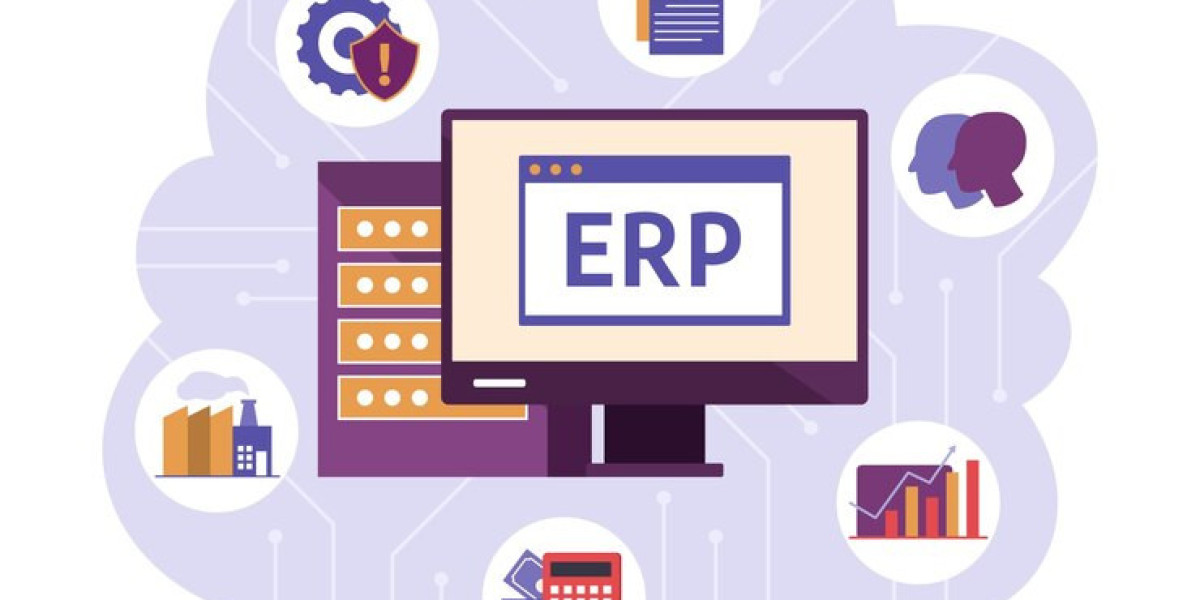
ERP software unifies core business functions such as finance, procurement, HR, inventory, and customer relations into one seamless system. This digital transformation tool is helping Saudi businesses increase efficiency, reduce costs, and align with the national Vision 2030.
This blog explores how ERP systems in Jeddah and ERP systems in Dammam are revolutionizing business operations, what companies should look for, and how to ensure successful implementation.
What is an ERP System?
An ERP system is a suite of integrated applications that manage key business processes. It acts as the “central nervous system” of an organization, enabling real-time data sharing across departments.
Core Modules of ERP Systems:
Finance & Accounting
Inventory Management
Human Resources
Customer Relationship Management (CRM)
Procurement
Project Management
Supply Chain Management (SCM)
With centralized data and automation, businesses can operate smarter, not harder.
Why Saudi Arabia is Investing in ERP
Saudi Arabia is undergoing rapid economic and digital transformation, driven by Vision 2030. Here's why ERP is at the forefront:
1. Compliance with Local Regulations
Modern ERP solutions like SAP, Odoo, Oracle, and Microsoft Dynamics are equipped to comply with Saudi-specific regulations including ZATCA e-invoicing and VAT.
2. Economic Diversification
As industries diversify beyond oil, sectors like retail, healthcare, logistics, and real estate require powerful tools to manage operations—ERP provides that backbone.
3. Smart Cities and Industrial Zones
New business zones such as NEOM and King Salman Energy Park demand digitized infrastructure, making ERP a critical component.
ERP System in Jeddah
Jeddah is a bustling economic and logistics hub with a high density of retail, construction, and service companies. ERP systems here are used to streamline day-to-day operations and improve customer experience.
Industries Leading ERP Adoption in Jeddah:
| Industry | ERP Use Cases |
|---|---|
| Retail | Inventory, CRM, POS |
| Logistics | Route planning, warehouse management |
| Healthcare | Patient records, HR, scheduling |
| Manufacturing | Supply chain, quality control, production |
| Construction | Project timelines, resource allocation |
Key Benefits of ERP Systems in Jeddah:
Real-time access to business metrics
Reduction in manual errors
Enhanced collaboration between departments
Better inventory tracking and order fulfillment
Popular ERP Software Used in Jeddah:
SAP Business One
Odoo ERP
Microsoft Dynamics 365
Oracle NetSuite
Many Jeddah-based SMEs are now opting for cloud ERP to reduce upfront investment and maintenance costs.
ERP System in Dammam
Dammam, located in the Eastern Province, is an industrial powerhouse. It's home to oil and gas firms, manufacturers, and major shipping facilities.
Industries Relying on ERP in Dammam:
| Sector | Needs Addressed by ERP |
|---|---|
| Oil & Gas | Asset management, procurement, compliance |
| Manufacturing | Production planning, MRP, quality control |
| Shipping/Logistics | Fleet management, warehouse control |
| Wholesale | Demand forecasting, order processing |
How ERP Is Enhancing Dammam’s Industrial Efficiency:
Integration with Internet of Things (IoT) for smart tracking
Real-time data for operational decision-making
Increased transparency and control over supply chains
Energy consumption monitoring for sustainability
ERP systems help industries in Dammam maintain compliance with environmental and safety standards, critical for the petroleum sector.
Choosing the Right ERP for Your Business
Whether you're in Jeddah, Dammam, or elsewhere in Saudi Arabia, choosing the right ERP partner is crucial.
Key Selection Criteria:
Localization: Arabic language support and local regulations
Scalability: Ability to grow with your business
Customization: Adapts to your industry-specific needs
Cloud vs On-premise: Choose based on budget and control
Vendor support: Post-implementation training and assistance
Leading ERP Vendors in Saudi Arabia:
SAP Arabia
Odoo Partners Saudi
Zoho ERP Saudi Arabia
Microsoft Dynamics Partners
NetSuite Saudi Arabia
Implementation Challenges & Solutions
Common Challenges:
Change Resistance from employees
Data Migration from legacy systems
Incorrect Vendor Selection
Poor Planning or Scope Creep
Solutions:
Conduct staff training early
Hire an experienced ERP consultant
Set measurable goals
Start with core modules and expand gradually
Case Study: ERP System in a Jeddah Retail Chain
Company: Mid-sized electronics retailer
Challenge: Inventory mismanagement and low visibility
Solution: Implemented Odoo ERP with POS & Inventory modules
Results:
30% reduction in stockouts
25% improvement in cash flow
Real-time sales dashboard across branches
Case Study: ERP in Dammam Manufacturing Company
Company: Plastic manufacturing firm
Problem: Manual reporting, lack of production oversight
ERP Chosen: SAP Business One
Outcome:
Automated raw material tracking
Reduced delays by 40%
Integrated with accounting for real-time profit reports
Trends: The Future of ERP in Saudi Arabia
AI-Powered ERP for predictive analytics
Mobile ERP Access for field teams
IoT Integration for logistics and asset tracking
Blockchain ERP for transparent supply chains
ERP & E-commerce Syncing for retail automation
By 2030, 90% of Saudi businesses are expected to use ERP systems, driven by economic reforms and government support for digitization.
Conclusion: Embrace ERP, Empower Your Business
ERP systems are transforming how businesses in Jeddah and Dammam operate. They’re not just tools—they're strategic investments that offer control, efficiency, and growth potential.
Whether you’re a retailer, industrial firm, or service provider, a well-implemented ERP system will:
Streamline your processes
Offer real-time insights
Increase agility
Improve compliance
Boost profitability
Now is the time to invest in digital infrastructure. Choose the right ERP partner, set clear goals, and take your business to the next level.
FAQs
1. What is the best ERP system for small businesses in Jeddah?
Odoo ERP and Zoho ERP are popular for SMEs due to their modularity, affordability, and ease of use.
2. How long does ERP implementation take?
Depending on complexity, it can take 3 to 9 months from planning to go-live.
3. Are ERP systems in Dammam integrated with ZATCA e-invoicing?
Yes, most vendors now offer ZATCA-compliant invoicing modules, especially for Phase II e-invoicing.
4. What industries benefit most from ERP in Saudi Arabia?
Retail, logistics, construction, oil & gas, manufacturing, and healthcare are the top industries utilizing ERP systems.
5. Can ERP systems be customized for Arabic language and compliance?
Absolutely. Most ERP vendors offer full Arabic support and compliance with Saudi regulations including VAT, e-invoicing, and Saudization.