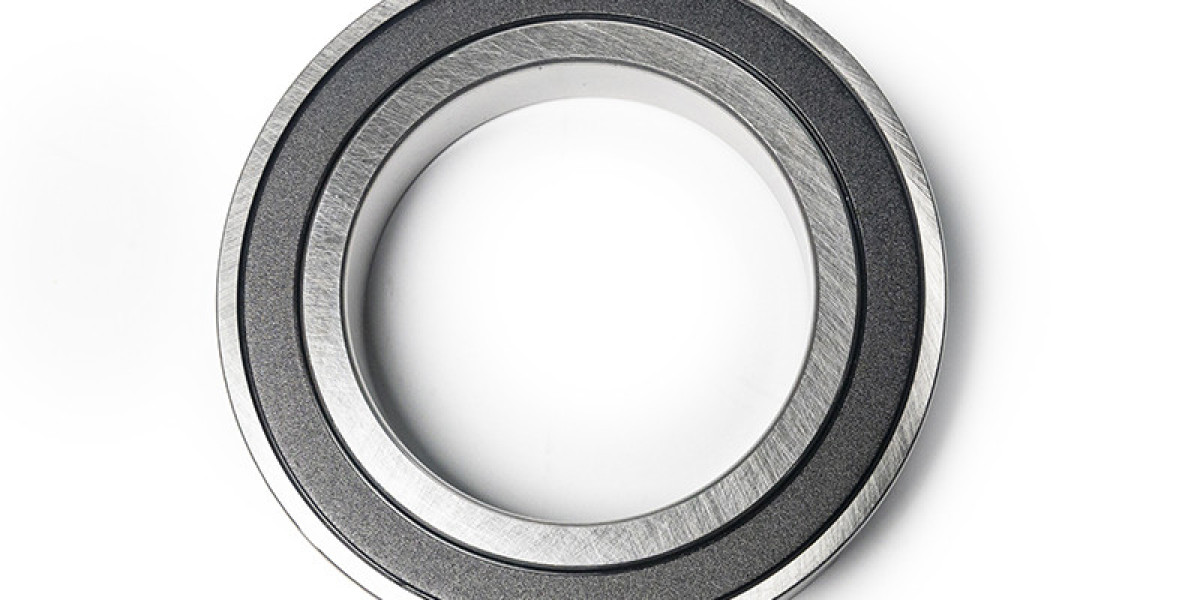

In the world of heavy machinery, high-speed production lines, and automated systems, every moving part matters. But if there’s one component that truly keeps the wheels turning—both literally and figuratively—it’s the industrial bearing.
Often hidden from view, industrial bearings are the unsung heroes that reduce friction, support loads, and ensure the smooth operation of machines across countless industries. From manufacturing plants and mining equipment to energy turbines and agricultural machines, the performance of an entire system often rests on the reliability of its bearings.
What Makes an Industrial Bearing Essential?
Every machine involves movement. And where there’s movement, there’s friction. Industrial bearings minimize this friction between moving parts, leading to higher efficiency, lower energy consumption, and significantly reduced wear and tear. This results not only in cost savings but also in improved safety and uptime—critical factors in industrial settings.
Whether your operation demands high-speed rotation, heavy-load support, or extreme temperature resistance, the right industrial bearing can make or break your equipment’s longevity and output.
Choosing the Right Bearing for the Job
Not all industrial bearings are created equal. Each type is engineered for specific functions:
Ball Bearings are ideal for light to moderate loads and offer smooth rotation.
Roller Bearings are suited for heavier radial loads and high-impact conditions.
Thrust Bearings handle axial loads, commonly found in automotive and aerospace systems.
Spherical Bearings allow for misalignment and are often used in heavy-duty industrial machinery.
Selecting the correct industrial bearing requires understanding not just the load and speed requirements, but also the environment—temperature, exposure to dust or chemicals, and maintenance accessibility all play a role.
The Cost of Ignoring Bearing Quality
Using low-grade or poorly suited industrial bearings might save a little money upfront, but the long-term consequences can be severe. Premature bearing failure often leads to unplanned downtime, expensive repairs, and even safety risks. On the other hand, investing in high-quality, precision-engineered bearings ensures consistent performance, fewer breakdowns, and greater operational confidence.
Moreover, modern industrial bearing solutions are designed with smart features like advanced sealing systems, vibration sensors, and self-lubrication capabilities, pushing machinery performance to new heights.
Reliable Bearings Drive Industrial Success
Think of your machinery as a living system—without healthy joints, movement becomes painful or even impossible. Industrial bearings are those joints, tirelessly enabling movement day in and day out.
Industries that rely on fast, uninterrupted processes—like food processing, steel manufacturing, textiles, and logistics—know that high-grade bearings are not optional; they are essential. They enable higher productivity, tighter tolerances, and faster cycle times, all while reducing the risk of failure.
Final Thoughts
In today's competitive landscape, efficiency and reliability are non-negotiable. And at the core of that reliability is the often-overlooked yet absolutely vital industrial bearing. Choosing the right bearings isn’t just a technical decision—it’s a strategic one.