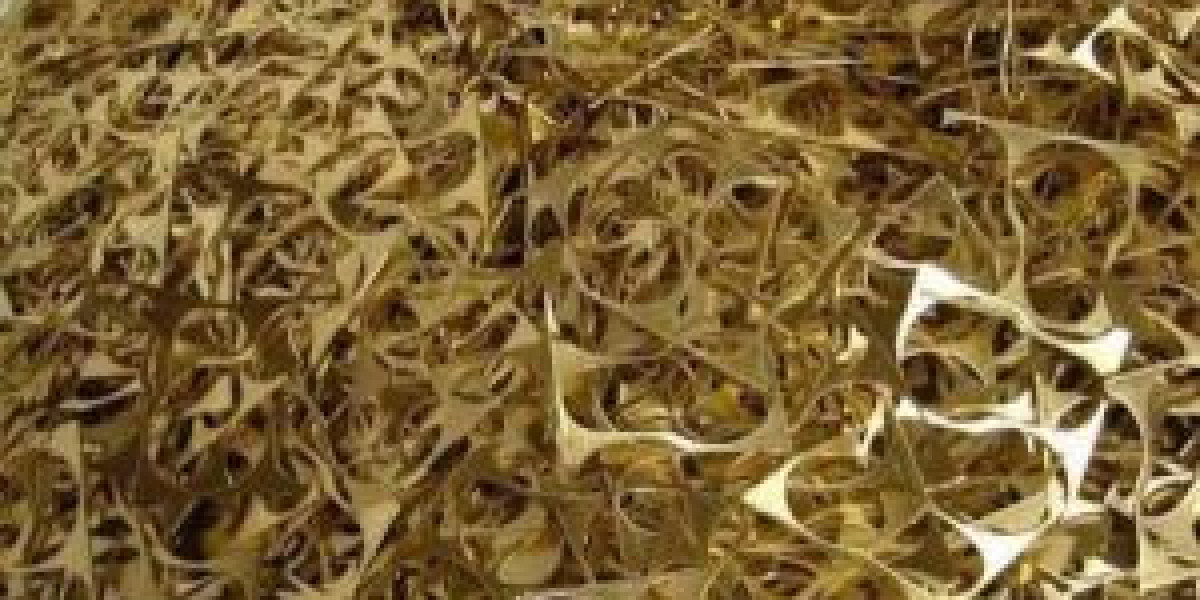

Brass is a copper-zinc alloy known for its durability, electrical conductivity, and golden shine. It's used in everything from plumbing and musical instruments to decorative items. But when it’s no longer needed or comes off as a by-product from manufacturing, it becomes brass scrap a valuable material in today’s recycling-driven economy.
In this blog, we explore what brass scrap is, the types available in the market, its recycling process, value in the metal market, and how industries are reusing it efficiently.
? What Is Brass Scrap?
Brass scrap refers to leftover or discarded brass items or shavings that are no longer in use and are collected for recycling. Since brass is non-ferrous and corrosion-resistant, it retains its quality even after multiple recycling rounds.
It is one of the most in-demand recyclable metals globally, owing to its cost-effectiveness and high reuse potential.
? Types of Brass Scrap in the Market
Brass scrap comes in several forms, depending on its origin, composition, and condition:
? Yellow Brass
Most common type.
Made of 60-70% copper and 30-40% zinc.
Found in plumbing fixtures, electrical parts, and radiators.
? Red Brass
Higher copper content (85%+) with tin and lead.
Found in valves, pump components, and fittings.
Higher market value than yellow brass.
? Brass Turnings
Small shavings or chips from machining processes.
Must be free from oil, iron, and other contaminants.
? Mixed Brass
Unsorted scrap from various sources.
Needs cleaning and separation before recycling.
? Cartridge Brass
Made from spent ammunition shells.
Typically 70% copper and 30% zinc.
Knowing the type of brass scrap helps determine its value and recycling process.
?️ Where Does Brass Scrap Come From?
Brass scrap is generated from both residential and industrial sources, including:
Plumbing and sanitary ware industries
Construction and demolition sites
Electrical and electronics waste
Automotive radiators and fittings
Manufacturing offcuts and machining
Household items (door handles, keys, etc.)
? The Brass Scrap Recycling Process
Recycling brass scrap is a straightforward and environmentally beneficial process:
1. Collection
Scrap is collected from homes, industries, and metal dealers.
2. Sorting
Different grades of brass are separated. Contaminants like iron or plastic are removed.
3. Cleaning
Scrap is cleaned to remove oils, dirt, and impurities for smoother melting.
4. Melting
The scrap is melted at around 900–940°C. Additional metals can be added to adjust the alloy.
5. Casting and Forming
Molten brass is cast into ingots, rods, bars, or sheets for re-use in industries.
The process is energy-efficient and retains the alloy’s original strength and properties.
? Why Is Brass Scrap So Valuable?
Brass scrap is one of the most profitable types of non-ferrous scrap. Here’s why:
High copper content increases resale value.
Energy-efficient recycling (uses 90% less energy than producing new brass).
Steady demand in industries like plumbing, electrical, and construction.
Recyclable indefinitely without losing material quality.
Brass scrap rates are often quoted per kg or per ton, and they fluctuate based on global copper prices and market conditions.
⚒️ Industrial Uses of Recycled Brass
Recycled brass is reused in a variety of sectors:
Plumbing Fittings: Elbows, tees, valves, and taps
Decorative Hardware: Doorknobs, railing brackets, hinges
Electrical Components: Connectors, terminals, switches
Marine Hardware: Rust-resistant parts for boats and docks
Automotive Industry: Radiators and fuel line components
Musical Instruments: Trumpets, saxophones, horns
Recycled brass performs just as well as virgin brass and costs significantly less.
? Environmental Benefits of Brass Scrap Recycling
Brass scrap recycling helps promote the circular economy and reduce the environmental impact of mining:
Conserves natural resources (copper and zinc).
Reduces greenhouse gas emissions.
Lowers landfill waste.
Decreases energy consumption.
Promotes sustainability in manufacturing.
By recycling scrap brass, we contribute to a greener and more sustainable planet.
? Factors Affecting Brass Scrap Price
The market price of brass scrap is influenced by:
Copper content: Higher copper = higher price
Purity: Clean, uncontaminated scrap fetches better rates
Form: Turnings may be valued lower than solid pieces
Global demand: Prices shift with copper and zinc demand
Location: City-specific rates based on local demand
Volume: Large consignments may earn better per kg rates
? Tips for Buying and Selling Brass Scrap
If you deal in brass scrap, here are some practical tips:
Sort your scrap: Separate red, yellow, and mixed brass for better pricing.
Clean it: Remove oils, coatings, and debris before selling.
Stay updated: Track live brass scrap prices from metal exchange sites.
Verify weight: Use accurate weighing machines for fair trade.
Request documents: Ask for test reports or grade info if dealing in bulk.
? How to Identify Brass Scrap
Not sure if your metal piece is brass? Here’s how to check:
Color: Golden-yellow hue (yellow brass) or reddish-brown (red brass)
Non-magnetic: Brass doesn’t stick to a magnet
Spark Test: Brass emits dull reddish sparks when ground
Weight: Heavier than aluminum, lighter than pure copper
Proper identification ensures you receive fair value.
? Future of Brass Scrap Recycling
As industries become more eco-conscious, brass scrap recycling is expected to rise. Governments and companies are investing in circular economy solutions—and scrap brass plays a big part in this sustainable shift.
Recycled brass will continue to support infrastructure, automotive, and electronics manufacturing—making it both an eco-friendly and profitable resource.
✅ Conclusion
Brass scrap is more than just leftover metal—it’s a valuable material that fuels industry, saves resources, and supports sustainable development.
Whether you're a business owner, manufacturer, or recycler, dealing in brass scrap is a smart move. From better pricing to environmental impact, brass scrap continues to prove its worth in every sector it touches.