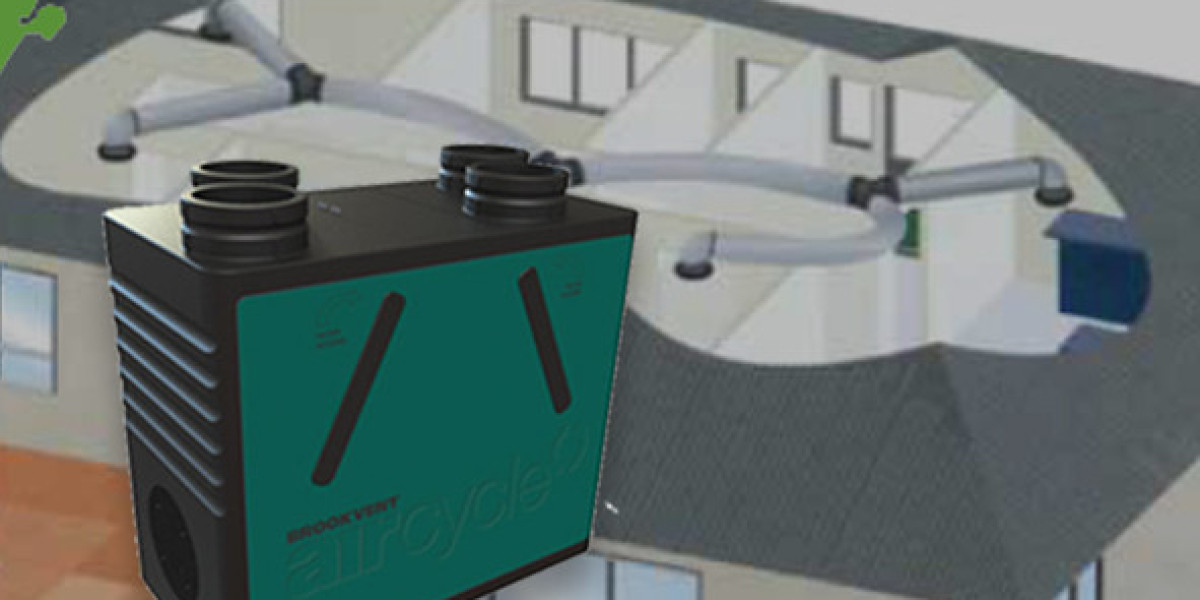

In the modern world, enhancing the quality of your living space goes beyond just the visual appeal; it also encompasses creating a healthier and more comfortable environment. One of the most effective ways to achieve this is by incorporating an air ventilating system into your home. These systems are designed to improve indoor air quality by ensuring a continuous exchange of fresh air while expelling stale air. This process helps to mitigate potential health issues associated with poor air quality, such as respiratory problems and allergies. The following sections delve into various types of air ventilation system for home, their importance, and the key factors to consider when selecting and maintaining one for your home.
Overview of Different Types of Ventilating Systems
Ventilation-systems play a critical role in maintaining indoor air quality and are available in several varieties to meet diverse needs and budgets. Natural ventilation utilises windows, vents, and other openings to facilitate airflow, leveraging wind and thermal buoyancy to circulate air. This type is often more cost-effective but relies heavily on external weather conditions.
Mechanical ventilation employs devices such as fans, ducts, and exhaust systems to regulate air exchange, offering more consistent control over indoor air quality. This type can be further divided into supply ventilation, which introduces fresh air into the home, and exhaust ventilation, which expels stale air. There are also balanced systems, which simultaneously supply and exhaust air, maintaining a stable indoor environment.
Hybrid systems integrate aspects of both natural and mechanical methods, aiming to maximise efficiency and effectiveness. They typically use sensors and automated controls to switch between natural and mechanical modes based on current conditions.
Another specialised type is positive input ventilation (PIV), which introduces filtered air into the home, pushing out stale air through leakage points. PIV systems are particularly beneficial in reducing condensation and dampness.
Understanding the various options available helps homeowners make informed choices tailored to their specific requirements, ensuring optimal air quality and comfort. Each system has unique advantages, and the right choice depends on factors such as the size and layout of the home, local climate, and budget.
Importance of Maintaining Good Air Quality in Homes
Maintaining good air quality at home is vital for ensuring a healthy living environment. Poor ventilation can lead to the accumulation of contaminants such as dust, pollen, and mould, which can trigger respiratory issues, allergies, and other health problems. Proper ventilation helps in removing these pollutants, providing a cleaner and fresher indoor atmosphere. Additionally, effective air exchange can significantly improve comfort levels by regulating indoor humidity and temperature, making your home a more pleasant place to live.
Modern lifestyles often mean that homes are more airtight, trapping pollutants inside. This makes it essential to have a ventilation-system that can provide adequate air exchange. Such systems help in reducing indoor pollution and minimising the presence of allergens. Moreover, good air quality is known to improve sleep and overall well-being, making daily activities more enjoyable and less taxing.
For families with young children, elderly members, or individuals with pre-existing health conditions, maintaining optimal air quality is even more crucial. Vulnerable groups are more susceptible to the adverse effects of poor air quality, so having a reliable ventilation-system in place can be a significant preventive measure. Investing in a high-quality ventilation-system is not just about comfort but also about safeguarding the health of everyone in the household.
Types of Ventilation System
Ventilation system is essential for maintaining a healthy and comfortable indoor environment, and it come in various types to suit different needs. Natural ventilation relies on architectural elements such as windows and vents to facilitate airflow, using wind and temperature differences to move air. This type is cost-effective and straightforward, but can be less reliable in extreme weather conditions.
Mechanical ventilation, by contrast, uses devices like fans and ducts to control air exchange more precisely. Supply ventilation-systems introduce fresh air into the home, whereas exhaust systems remove stale air. Balanced systems do both, ensuring a stable indoor atmosphere by simultaneously supplying and exhausting air. Positive input ventilation (PIV) systems are designed to push filtered air into the home, reducing moisture and condensation.
Hybrid systems combine natural and mechanical methods, aiming for efficiency and adaptability. These systems often include sensors and automated controls to switch between modes based on real-time conditions.
Each type of system offers unique advantages, and the best choice will depend on factors such as the home's size, layout, and local climate. Understanding these options allows homeowners to make informed decisions tailored to their specific requirements, ensuring optimal air quality and comfort.
Installation and Cost Considerations
When planning to install a ventilation-system, evaluating the specific needs of your home is crucial. Larger properties might necessitate more sophisticated systems with greater airflow capacities, while smaller homes could benefit from simpler setups. The financial aspect is equally important. Initial investment costs can differ significantly based on the type of system and its complexity. However, energy-efficient models may present long-term savings through reduced utility bills.
Installation expenses also vary. Simple systems might be more straightforward and less costly to install, whereas more complex systems could require professional intervention, which would increase the overall cost. Additionally, some installations might need structural modifications, further influencing the budget.
It's advisable to obtain multiple quotes from qualified installers to gauge the market rate and ensure you're getting value for money. Some systems may also qualify for energy grants or incentives, which offset the initial costs. Consulting with a professional can provide valuable insights into which system aligns best with your home's layout and your budget.
Finally, consider the ongoing costs of maintaining the system. Regular servicing, filter replacements, and potential repairs should be factored into your budget to ensure the system remains efficient and effective over time. Understanding these financial implications will help you make an informed decision tailored to your home's specific requirements.
Key Features to Consider
When choosing a ventilation-system, it's essential to assess several key features to ensure it meets your needs. Firstly, consider the airflow capacity, which should be appropriate for the size of your home. Look for systems with adjustable airflow settings, allowing you to control the amount of air circulated based on different needs and seasons. Energy efficiency ratings are also crucial, as more efficient systems can lead to cost savings over time.
Another important feature is noise level; quieter systems are preferable, especially in living areas and bedrooms. Check for systems with good noise reduction technologies to minimise disturbance. Additionally, the type and ease of maintenance should be evaluated. Some systems require frequent filter changes or professional servicing, while others offer easier self-maintenance options.
Compatibility with your home's existing infrastructure can simplify installation and reduce costs. Systems that integrate with smart home technology can offer enhanced convenience, allowing you to control settings remotely or automate adjustments based on indoor conditions.
Lastly, consider the availability of warranties and customer support. Reliable support can make a significant difference in resolving any issues that arise and ensuring the longevity of your system. By taking these features into account, you can select a ventilation-system that provides optimal performance and meets your specific requirements.
Benefits of a Good Air Ventilation-System
A properly designed air ventilation-system plays a significant role in enhancing indoor air quality by effectively filtering out contaminants and introducing fresh air. This not only helps in alleviating respiratory issues and reducing allergy triggers but also creates a healthier living space. Improved air circulation ensures that moisture levels are controlled, thereby reducing the risk of mould growth and dampness, which can cause structural damage and health problems.
Energy efficiency is another notable advantage. Modern ventilation-systems are designed to operate efficiently, helping to reduce energy consumption by maintaining optimal indoor conditions. This can result in lower utility bills, making the initial investment in a high-quality system worthwhile.
Additionally, consistent air exchange provided by a good ventilation-system helps in maintaining a more stable indoor climate, preventing the build-up of heat during summer and retaining warmth during winter. This contributes to overall comfort throughout the year.
For families with vulnerable members, such as young children, the elderly, or those with pre-existing health conditions, a reliable ventilation-system is particularly beneficial. It ensures that the air quality remains at a healthy level, providing an extra layer of protection against pollutants and allergens.
Overall, incorporating a good ventilation-system into your home can significantly enhance both comfort and well-being for all residents.
DIY vs Professional Installation
Installing a ventilation-system in your home can be approached in two ways: DIY or hiring a professional. Opting for DIY installation might save you money initially and can be feasible for simpler systems. However, it demands a solid understanding of ventilation principles, as well as adherence to safety measures and local building codes. Installation mistakes can lead to inefficient operation or even safety hazards.
Professional installation, on the other hand, offers several benefits. Experts bring specialised knowledge and experience, ensuring that the system is installed correctly and functions optimally. They can also handle more complex systems, which might be challenging for an amateur to set up. Additionally, professionals are usually well-versed in the latest industry standards and regulations, providing an extra layer of assurance.
While professional services come at a higher cost, they often include warranties and post-installation support, which can be invaluable for ongoing maintenance and troubleshooting. Assess your comfort level with technical tasks and consider the complexity of the system before deciding which route to take.
Common Issues and Solutions
Ventilation-systems can encounter a variety of problems that may impact their performance. One frequent issue is noisy fans, which can result from loose components or worn-out parts. Tightening screws and lubricating moving parts can often resolve this. Inefficient airflow is another common problem, usually caused by blockages or dirty filters. Regular cleaning or replacement of filters, as well as checking ducts for obstructions, can help maintain optimal airflow.
Another issue that homeowners might face is condensation within the system, which can lead to dampness and mould growth. Ensuring that the system is well-sealed and that ducts are insulated can mitigate this problem. Electrical issues, such as malfunctioning controls or broken sensors, can also disrupt the system's operation. In such cases, consulting a professional for the repair or replacement of faulty components is advisable.
Additionally, some systems may emit unpleasant odours, which could be due to accumulated dust or mould within the ducts. Cleaning the ducts and using antimicrobial treatments can address this concern. If the system is underperforming, it may be due to an incorrectly sized unit for the home's requirements. Upgrading to a more suitable system can solve this.
Regular servicing and timely repairs are essential for maintaining the efficiency and longevity of your ventilation-system.
Conclusion
In conclusion, installing an air ventilation system for home is a smart and forward-thinking way to enhance indoor comfort, air quality, and overall well-being. These systems work quietly and efficiently to remove stale air, control humidity, and bring in fresh, filtered air, creating a healthier living environment for you and your family. Especially in today's well-insulated homes, proper ventilation is essential to prevent mould, allergens, and condensation issues. Whether you're renovating or building new, a quality ventilation-system is a long-term investment that improves both health and home value. Don't overlook the importance of fresh air. Upgrade your living space with a reliable air ventilating system and experience the benefits of a cleaner, fresher, and more comfortable home every day.
FAQs
How often should I replace the filters in my ventilation-system?
The frequency of filter replacement can vary based on the type of system and its usage. Generally, it is recommended to check filters every 3-6 months. If they appear dirty or clogged, they should be replaced to maintain optimal performance and air quality.
Can an air ventilation system for home help reduce energy bills?
Yes, energy-efficient air ventilation system for home can contribute to lowering heating and cooling costs. By maintaining a balanced indoor climate, these systems reduce the need for additional heating or cooling, leading to potential savings on energy bills.
What are the signs that my ventilation-system needs maintenance?
Indications that your ventilation-system requires maintenance include unusual noises, reduced airflow, unpleasant odours, or an increase in dust levels within your home. Regular inspection and servicing can prevent these issues and ensure the system operates efficiently.
Related Business Listings |