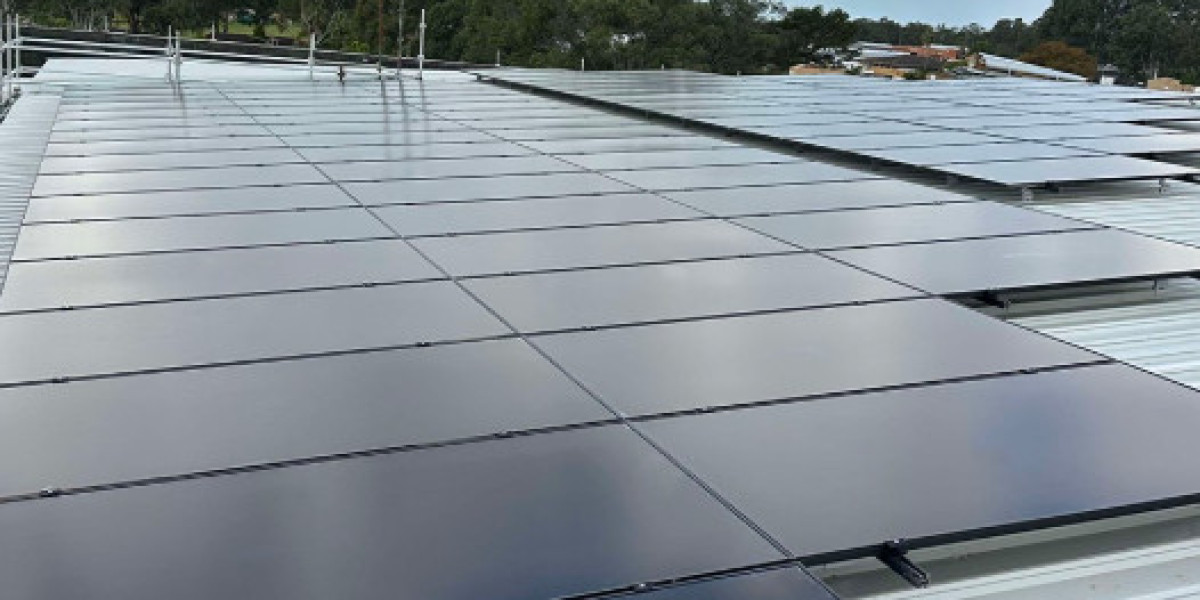

With rising electricity costs and growing awareness about climate change, more Australian households and businesses are turning to solar energy. A solar energy system is not just an investment in sustainable living, but also a strategic financial decision. However, choosing the right solar energy system can be overwhelming with so many options available. From understanding your energy usage to comparing system sizes, panel types, and installation companies — every decision matters. This guide breaks down everything you need to know to choose the right solar energy system for your unique needs.
1. Understand Your Energy Needs
The first step in selecting the right solar energy system is to assess how much electricity you currently use. Review your electricity bills for the past 12 months to identify average daily usage (measured in kilowatt-hours or kWh). This will give you a baseline of how large your solar system needs to be.
Also, consider the time of day you use the most electricity. If your consumption is mainly during daylight hours, you’ll benefit more directly from solar. If it’s mostly at night, you might need to invest in battery storage or stay connected to the grid.
2. Determine Your Solar Goals
Are you aiming to eliminate your power bill completely, reduce your carbon footprint, or gain energy independence? Your goals will determine whether you should go for a basic grid-tied system, a hybrid system (with battery backup), or a fully off-grid setup.
Reduce bills: A standard grid-connected system with no battery might be enough.
Energy independence: Consider a hybrid system with batteries.
Remote locations: Off-grid systems are best, especially where grid access is unavailable or expensive.
3. Choose the Right System Size
Solar energy systems come in various sizes, commonly ranging from 3kW to 10kW for residential properties. The right size for you depends on your energy usage and available roof space.
A 3kW system is suitable for a small household (1–2 people).
A 5kW system fits an average-sized home (3–4 people).
A 6.6kW or 10kW system is ideal for large households or those with high energy usage, especially if planning to install battery storage.
Keep in mind that oversizing your system can be beneficial if you plan to expand your energy needs in the future, such as adding an electric vehicle or more appliances.
4. Understand Panel Types and Quality
Solar panels vary in efficiency, durability, and cost. There are three main types:
Monocrystalline: High efficiency and space-saving; best for rooftops with limited space.
Polycrystalline: Slightly lower efficiency but more affordable.
Thin-film: Flexible and lightweight, but lower efficiency and lifespan.
Stick with reputable brands that offer at least a 25-year performance warranty. High-quality panels may cost more upfront but offer better output and durability over time.
5. Evaluate Inverter Options
The inverter is the heart of your solar system — it converts the DC electricity generated by the panels into usable AC electricity.
String inverters: Affordable and reliable for homes with unshaded rooftops.
Microinverters: Ideal for shaded or complex roofs as each panel works independently.
Hybrid inverters: Compatible with battery systems and suitable for future upgrades.
Choosing a high-quality inverter is just as important as selecting the right panels, as it can impact the overall efficiency and lifespan of the system.
6. Consider Battery Storage (Optional but Beneficial)
While not essential, battery storage allows you to store excess solar energy for use at night or during blackouts. With electricity prices rising and feed-in tariffs decreasing, batteries are becoming more viable.
Popular battery brands like Tesla Powerwall, Sungrow, and LG Chem offer reliable performance and warranties. Consider battery size and cycle life — the number of times the battery can be charged and discharged before performance declines.
7. Roof Orientation and Shading
The direction and angle of your roof play a major role in your solar system’s performance. In Australia:
North-facing roofs receive the most sunlight throughout the day.
East- and west-facing roofs can still generate decent energy, especially for morning and afternoon usage.
South-facing roofs typically have lower production unless tilted at an optimal angle.
Avoid shaded areas, as even partial shade can significantly reduce output. Installers can perform a site assessment using tools like a solar pathfinder or drone imaging to determine the best placement.
8. Check for Government Incentives
Australia offers several incentives that can reduce the upfront cost of installing a solar energy system:
Small-scale Technology Certificates (STCs): These reduce the cost of your system based on its size and location.
State-specific rebates: Some states, like Victoria and NSW, offer additional subsidies or no-interest loans.
Feed-in tariffs: You can earn credit for feeding surplus solar power back into the grid.
Check with your installer or local government for the latest programs available in your area.
9. Choose a Reputable Installer
A high-quality system is only as good as its installation. Choose a Clean Energy Council (CEC) accredited installer with positive reviews, solid warranties (at least 10 years on workmanship), and transparent quotes.
Don’t just go for the cheapest offer. Ask for:
System performance estimates
Warranty terms (product, performance, and installation)
Customer support and after-sales service
10. Plan for the Future
Think long-term. Will your energy needs increase? Will you add an EV charger or more appliances? Select a system that can be expanded or upgraded over time. Hybrid inverters and modular battery systems are ideal for future-proofing.
Final Thoughts
Choosing the right solar energy system for your needs requires careful consideration of your energy usage, goals, budget, and property layout. With the right system in place, you’ll not only save money on your power bills but also contribute to a greener, more sustainable future.
Whether you're a homeowner or a business owner, investing in solar is a smart move — but only if you choose wisely. Take your time, do your research, and consult with accredited professionals to ensure you get the most value from your solar investment.
Ubicación del Autor
130A Batt Street, Jamisontown NSW 2750, Australia