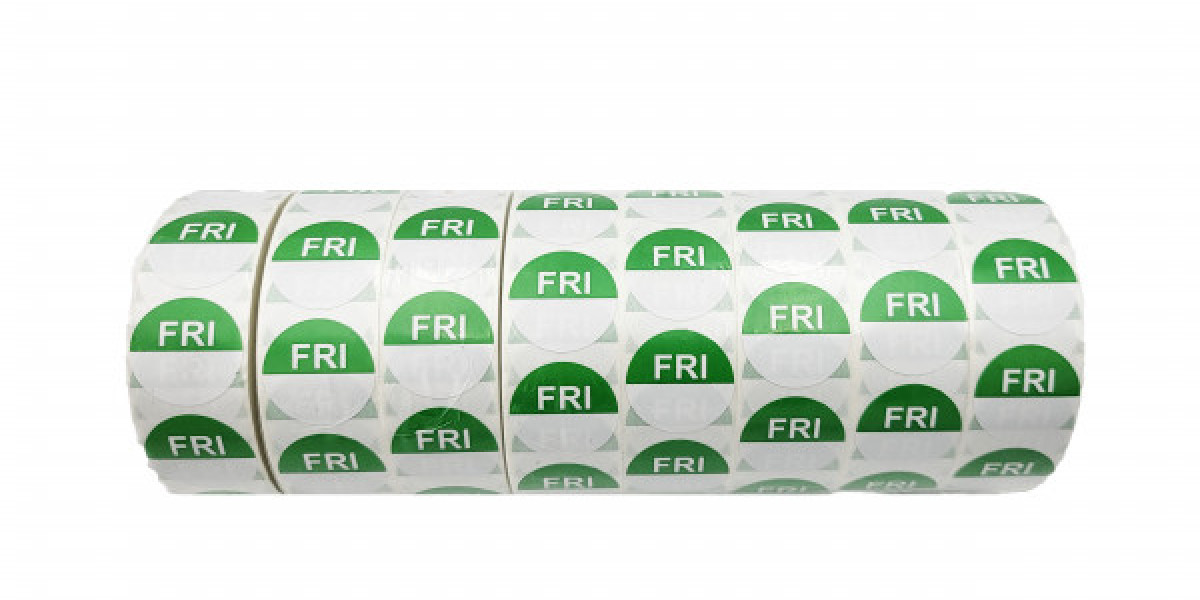

Custom printed labels define a brand’s visual identity while conveying essential product information. These labels link a product to its audience, communicating details in compelling, memorable ways. Their adaptability suits varied industries, packaging styles, and marketing tactics. Creative expression through labels communicates brand values and attracts consumers. Integration with advanced technology expands their function. Beyond aesthetics, custom labels must be durable, withstand environmental pressures, and comply with industry regulations, confirming their broad utility.
Types of Printed Labels
A wide spectrum of printed labels exists to match different industry needs. Labels can be crafted from paper, vinyl, or polyester, each material lending unique durability and style. Matte, gloss, or metallic finishes offer tailored looks for aesthetic or functional demands.
Industries such as food, cosmetics, and electronics often specify features like water resistance, heat tolerance, or tamper-evident seals. Advances in printing technology allow printers to create labels with complex designs or unique finishes that fulfill branding objectives and practical requirements in various sectors.
Design Considerations
Effective label design demands acute attention to detail and a clear grasp of product purpose. Visual elements—logos, color palettes, and fonts—must reinforce brand identity and remain instantly legible.
Layout should present vital product details and regulatory information clearly and succinctly. Imagery must boost visual appeal without overshadowing the text. Achieving balance between style and practicality is essential for a strong design.
Ensure the label fits the packaging by considering its dimensions and shape. Use design software or collaborate with experienced designers to create labels that resonate with your target audience and meet industry requirements.
Printing Techniques
Your choice of printing process shapes a label’s appearance and performance. Digital printing excels in versatility, finely handling detailed designs and variable data.
Printers often prefer flexographic printing for large volumes because it delivers consistent results with many materials. Screen printing excels for labels needing vivid colours or textured finishes, creating striking visual effects. Although traditionally used for paper, offset printing also produces high-quality labels that require precision.
When choosing a printing technique, consider the label's use, finish, and production scale. New technology gives you more tailored and innovative solutions to meet diverse needs.
Choosing the Right Supplier
Choose a supplier with proven expertise in producing printed labels to achieve your goals. Review their portfolio to understand their capabilities and past work. Make sure they can address your needs, such as unique designs or specialised materials.
Communicate consistently and transparently about production timelines and quality control processes to establish reliability. Suppliers who offer advanced printing technologies and sustainable options can better align with evolving industry demands. Review client testimonials or ask for recommendations to find a trusted partner capable of delivering tailored solutions that match your branding and functional needs.
Cost Factors
Custom printed label pricing depends on material, design intricacy, and order size. Premium materials and complex finishes raise costs, while standard options are more budget-friendly. Higher order volumes usually benefit from economies of scale.
To make cost-effective choices, balance quality and budget by choosing materials and techniques that meet branding demands but stay within your financial goals. Clarifying these decisions early ensures your labels deliver value for your investment.
Sustainability in Label Printing
The adoption of sustainable practices in label printing is gaining momentum as businesses prioritise environmental responsibility. Innovations in materials, such as recycled or biodegradable substrates, provide eco-friendly alternatives to traditional options.
Processes designed to minimise waste and reduce energy consumption are becoming integral to production workflows. Water-based inks and solvent-free adhesives are further examples of developments supporting greener operations.
Adopting sustainable practices not only benefits the environment but appeals to today’s eco-conscious consumers. Choosing these options helps your brand stay relevant and responsible.
Predictions for the label industry
The label industry is poised to witness significant technological advancements, fostering innovation and efficiency in production processes. Increased integration of artificial intelligence is expected to enhance design customisation and optimise material usage.
The demand for smart labelling solutions, incorporating features such as near-field communication and advanced tracking systems, is anticipated to grow, transforming supply chain operations.
In summary, the industry’s future lies in automation, personalization, and sustainability. For lasting success, businesses should seek out eco-friendly solutions and custom designs that match evolving market trends.
Challenges and Solutions
The creation of custom printed labels often involves navigating obstacles such as design complexity, material selection, and ensuring adherence to specific industry regulations. Consistency across production batches can be achieved through stringent quality control measures and regular monitoring of printing processes.
Establishing clear communication with experienced suppliers is crucial for addressing issues such as design adjustments or material compatibility. Leveraging advancements in technology can help optimise workflows and reduce errors, particularly in large-scale production.
Investing in quality equipment and expertise ensures products consistently meet high standards—key to overcoming common production challenges and maintaining brand credibility.
Using Basic Paper
Labels made from high-end substrates such as foil, textured papers, or waterproof synthetics tend to be more expensive than those produced using basic paper or standard adhesives. These premium options may be selected for their durability, visual appeal, or suitability to specific environmental conditions, such as refrigeration or outdoor exposure.
Design complexity also contributes significantly to the overall cost. Labels featuring multi-layer graphics, custom die cuts, embossed text, or metallic inks require more time and specialized equipment to produce.
The intricacy of these features can enhance a product’s shelf presence or convey a luxury brand image, but they also demand higher production efforts, which drives up costs. Conversely, labels with straightforward layouts and standardized dimensions typically yield lower prices, offering an economical solution for businesses focused on practical function over visual flair.
Future Trends in Label Printing
The sector is adopting new technology, from AI-driven designs to digital and eco-friendly innovations, enhancing efficiency, customization, and sustainability for evolving market needs.
Personalisation is anticipated to remain a significant trend, enabling brands to cater to evolving consumer preferences with tailored designs. Additionally, innovations in eco-friendly materials and processes are set to address growing environmental concerns. These developments signal a shift towards more sophisticated and sustainable approaches within the industry, reflecting changing demands and technological progress.
Real-Time Analytics
Digital advancements—from cloud-based platforms to real-time analytics—have also revolutionized how companies manage operations, collaborate with suppliers, and respond to consumer needs. These tools support agile workflows and help businesses stay competitive in an increasingly dynamic marketplace.
Equally significant is the sector’s embrace of eco-friendly technologies. Biodegradable materials, energy-efficient machinery, and waste-reduction strategies are being adopted to address global sustainability goals. Companies are exploring everything from compostable packaging to carbon-neutral production processes in pursuit of a greener footprint.
Label Regulations and Standards
Regulations governing labels ensure compliance with legal and safety standards across industries. These guidelines often dictate the inclusion of specific information, such as allergen warnings, usage instructions, or product origin. Industries such as food, pharmaceuticals, and chemicals face stricter requirements, necessitating detailed disclosures to safeguard consumer welfare.
Adherence to labelling standards also involves the use of legible fonts, durable materials, and appropriate languages for the target market. Failure to meet these requirements can result in penalties or product recalls, highlighting the importance of maintaining up-to-date knowledge of applicable regulations to ensure smooth market entry and continued consumer trust.
Integrating Technology with Labels
Advancements in technology have introduced innovative features to printed labels, offering enhanced functionality across various applications. Incorporating elements such as QR codes, RFID tags, and NFC technology enables seamless access to additional product information, real-time tracking, or interactive consumer engagement.
These smart features can also enhance supply chain transparency by improving inventory management and product authentication. Furthermore, augmented reality capabilities integrated into label designs allow for unique marketing opportunities, bridging the gap between physical and digital consumer experiences.
Reduce Long-Term Expenses
Volume plays an important role as well. Larger orders allow printers to optimize setup times and resource allocation, resulting in lower costs per label due to economies of scale. For businesses planning recurring campaigns or multi-product labeling, ordering in bulk can be a strategic choice to reduce long-term expenses. However, smaller batches may still be preferred for limited runs, seasonal items, or test products, even if the unit price is higher.
Advanced printing techniques further influence pricing. Methods such as digital printing offer flexibility for short runs and fast turnarounds but may be more costly per unit than traditional offset or flexographic processes, which are ideal for high-volume jobs. The selection of technique often depends on turnaround requirements, design complexity, and the need for color consistency across multiple items.
Custom Labels for E-commerce
Printed labels in e-commerce provide an opportunity to reinforce brand identity while ensuring precise and professional presentation of essential package details. By tailoring designs to match specific branding strategies, labels contribute to a cohesive customer experience.
Custom e-commerce labels improve logistics accuracy, safeguard products in transit, and foster memorable unboxing experiences. Focusing on these points can set your online brand apart. . Working closely with suppliers or print specialists can help identify cost-saving alternatives that still achieve branding goals, such as switching to eco-friendly paper that maintains aesthetic appeal or refining designs to minimize waste.
Encouragement to explore custom labels
Exploring printed labels enables businesses to develop branding solutions aligned with organizational objectives. Custom labels provide a means for strategic differentiation while addressing operational requirements, including compliance and durability.
Keep up with print technology trends and professional insights to maximize label effectiveness. Implementing these takeaways helps strengthen brand identity and boost market standing.
Conclusion
Embrace custom printed labels to connect branding and function, apply new technology, and prioritize eco-friendly solutions. Focusing on these key actions will help you maintain a competitive edge. When producing labels, weigh budget against necessary quality features. Identify the most valuable aspects—like durability or branding—to ensure labels meet business needs without overspending. Ensure visual standards reflect professionalism and reinforce brand values. Consulting with label suppliers can guide this decision to maximize value.
FAQs
What should businesses consider when selecting custom printed labels for their products?
Businesses should begin by evaluating the product’s environment and organizational branding goals. Material, adhesive, finish, and durability are critical—especially for goods exposed to challenging conditions. Design and brand alignment are equally important, since custom printed labels often deliver the first touchpoint for customers.
How do printing methods affect the quality and cost of custom labels?
Printing method directly affects both quality and cost. Digital printing is suited for short runs and full-color visuals, while flexographic methods are optimal for large volumes with consistent output. Assess production requirements and design needs to select the most cost-effective approach.
Can custom labels support sustainability and compliance requirements?
In short, sustainable and compliant custom labels are possible with the right suppliers. Choose eco-friendly options and ensure regulatory alignment to meet business and legal responsibilities.
Related Business Listings |