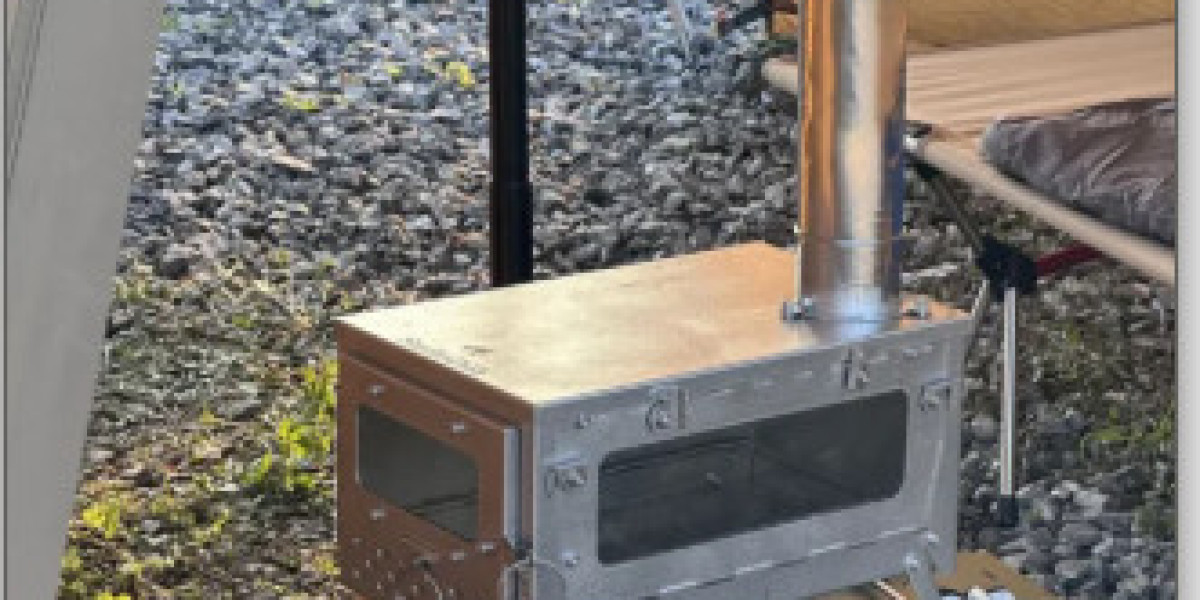

When it comes to camping or spending time outdoors, having a reliable heat source can significantly enhance your experience. Wood stoves have long been favored by outdoor enthusiasts for their versatility, efficiency, and ability to use natural fuel found in the environment. Whether you're cooking meals, boiling water, or staying simply warm on a chilly night, wood stoves offer a classic yet effective solution that blends well with nature.
In this comprehensive guide, we'll explore everything you need to know about wood stoves—from benefits and types to usage tips—helping you make the most of your camping kitchen setup.
Why Choose a Wood Stove for Camping?
Wood stoves stand out because they use readily available, renewable fuel: wood. This means you don't have to carry heavy fuel canisters or worry about running out of gas during your trip. Beyond convenience, wood stoves provide consistent heat, allowing for efficient cooking and a cozy campfire atmosphere with less smoke and mess compared to open fires.
Key Advantages of Wood Stoves:
Fuel Availability: Use twigs, branches, and other natural wood on-site without needing specialized fuel.
Eco-Friendly: Burning wood is carbon neutral when harvested sustainably, minimizing environmental impact.
Cost-Effective: No need to buy fuel canisters; just gather fallen wood.
Heat Efficiency: Designed to maximize heat output and cooking performance.
Compact and Portable: Many models fold or disassemble for easy transport.
Safe and Controlled: Enclosed flames reduce fire hazards compared to open campfires.
Types of Wood Stoves for Outdoor Use
Choosing the right wood stove depends on your specific camping style, space, and cooking needs. Here are common types of wood stoves used by campers and hunters alike:
1. Portable Folding Wood Stoves
These compact stoves fold flat for lightweight carrying, making them perfect for backpackers and minimalist campers. Made from stainless steel or titanium, they’re durable and quick to assemble.
Ideal for boiling water and simple cooking.
Require small pieces of wood or pellets.
Lightweight but may have smaller cooking surfaces.
2. Barrel or Box Wood Stoves
These stoves have a sturdy, enclosed design with a flat top surface for pots and pans. Some models include chimneys or flue pipes to channel smoke safely away.
Suitable for longer camping trips or base camps.
Provide stable cooking surfaces.
Often used in tents or shelters with proper ventilation.
3. Rocket Stoves
Rocket stoves are designed for high-efficiency combustion, using minimal fuel while producing intense heat. Their unique shape encourages complete burning of wood, reducing smoke.
Great for fast cooking and boiling.
Use small sticks and twigs efficiently.
Popular among survivalists and eco-conscious campers.
4. Wood Pallet Stoves
These are sturdy, often handmade stoves designed for heavy-duty use. They can burn larger amounts of wood and sustain longer cooking sessions.
Perfect for extended camping or hunting camps.
May be bulkier but provide superior heat and cooking capacity.
Can serve as both a cooking stove and heat source.
How to Use a Wood Stove Safely and Efficiently
While wood stoves are excellent tools, proper use is essential for safety and performance.
Setup and Placement
Place your wood stove on a stable, non-flammable surface.
Keep flammable materials like tents, sleeping bags, and dry leaves away.
If inside a tent or shelter, ensure proper ventilation through chimneys or vents.
Fuel Preparation
Use dry, seasoned wood to minimize smoke and maximize heat.
Gather small twigs and kindling for easy ignition.
Avoid burning treated or painted wood to prevent toxic fumes.
Lighting and Maintaining the Fire
Start with small kindling arranged in a teepee or log cabin style.
Gradually add larger pieces as the fire strengthens.
Use stove doors and air vents to control airflow and burn rate.
Cooking Tips
Use flat-bottomed pots or pans for stable cooking on the stove surface.
Keep a lid on pots to conserve heat and cook faster.
Avoid overcrowding the stove to maintain efficient airflow.
Extinguishing and Cleaning
Let the fire burn down completely or use water to extinguish embers.
Dispose of ashes safely, ensuring they are fully cool.
Clean soot and creosote regularly to prevent buildup and maintain stove efficiency.
Essential Features to Look for in a Camping Wood Stove
When selecting a wood stove, consider these features to ensure you get a product that matches your needs:
Material: Stainless steel and titanium offer durability and corrosion resistance.
Portability: Look for lightweight, foldable designs if you plan to backpack.
Stability: Wide bases and sturdy legs prevent tipping.
Chimney or Flue Options: Essential for indoor use or shelters to direct smoke safely.
Cooking Surface Size: Larger surfaces accommodate bigger pots or multiple pans.
Airflow Control: Adjustable vents improve combustion efficiency.
Ease of Assembly: Quick setup saves time and hassle in the outdoors.
Caring for Your Wood Stove
Proper maintenance extends the life and performance of your wood stove:
Clean ashes after each use to maintain airflow.
Inspect joints and hinges for wear or rust.
Store the stove in a dry place to prevent corrosion.
Avoid impacts or drops that can damage structural integrity.
Who Should Use a Wood Stove?
Wood stoves are perfect for:
Backpackers who want a lightweight, fuel-free cooking solution.
Hunters and campers on extended trips needing reliable heat.
Anyone camping in areas with abundant wood supply.
Eco-conscious campers looking to minimize their environmental footprint.
Families or groups car camping who want a robust, multi-purpose stove.
Conclusion: Embrace the Tradition and Efficiency of Wood Stoves
Whether you're boiling your morning coffee or warming up after a cold day in the wilderness, a wood stove provides an unmatched blend of tradition, efficiency, and reliability. By harnessing the natural fuel around you, these stoves let you cook and stay warm sustainably and economically.
When choosing a wood stove, consider your specific outdoor activities, fuel availability, and cooking preferences to find the best fit. With proper use and care, a camping wood stove will become a trusted companion on countless outdoor adventures.