
In the modern world of fashion, looking stylish often comes at a high price. Luxury brands have long been symbols of status, elegance, and exclusivity. However, with price tags often running into thousands of dollars, many fashion enthusiasts find themselves priced out of the designer market. Enter designer dupes – affordable alternatives that look strikingly similar to high-end items but come at a fraction of the cost.
What Are Designer Dupes?
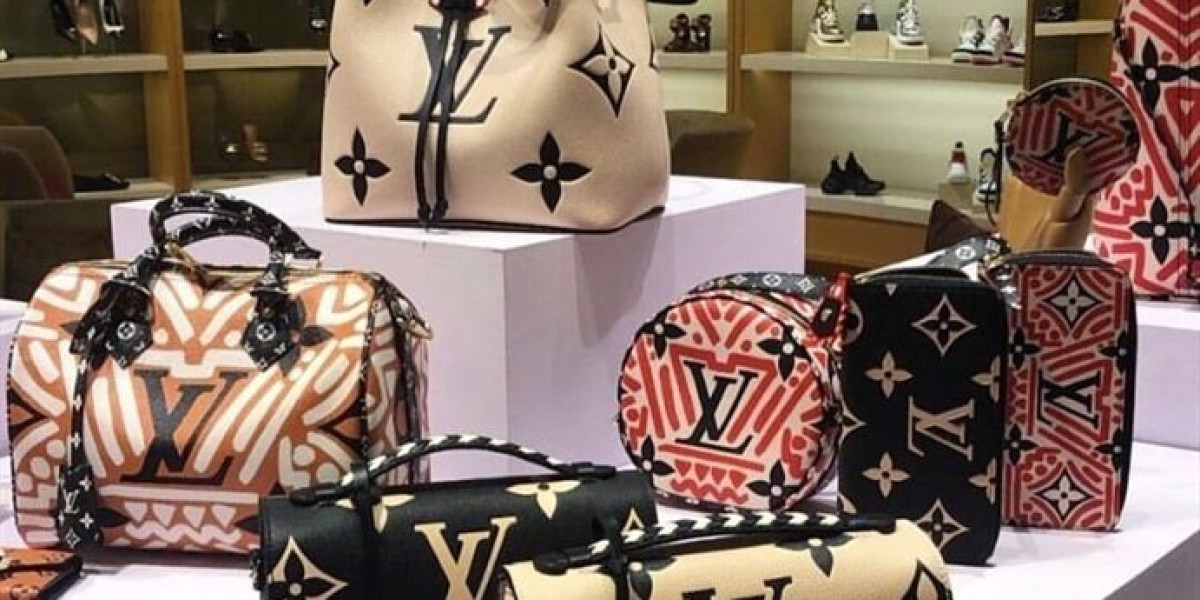
Designer dupes are imitation products inspired by high-end designer pieces. These items mimic the design, shape, and overall aesthetic of luxury items but are not direct counterfeits. The term "dupe" stands for "duplicate" or "duplicate style," but unlike fakes or knock-offs, dupes usually do not carry the original designer’s logo or branding.
For instance, a handbag that closely resembles a Chanel classic flap bag but is sold under a different brand name and without any counterfeit logo would be considered a dupe. The rise of designer dupes has made luxury-style fashion accessible to the masses, especially through online platforms and fast fashion retailers.
Why Are Designer Dupes So Popular?
There are several reasons why designer dupes have grown immensely popular over the past decade.
1. Affordability:
The most obvious benefit is cost. A Gucci belt can cost over $500, while a similar-looking belt from a high-street retailer might be priced at $25. For people who want to look trendy without breaking the bank, dupes offer an appealing solution.
2. Social Media Influence:
With the rise of fashion influencers, Instagram, and TikTok, the pressure to stay current with fashion trends is higher than ever. Influencers often post new looks daily, showcasing luxury brands. Many of their followers turn to designer dupes to replicate these looks affordably.
3. Fashion Experimentation:
Not everyone wants to commit to a trend they’re not sure will last. Designer dupes allow fashion lovers to experiment with styles before investing in a more expensive original. If the style suits them or stays in trend, they might then consider purchasing the authentic item.
4. Increased Availability:
Previously, finding a convincing dupe required insider knowledge or a trip to a local market. Today, dupes are available everywhere – from Amazon to popular online boutiques. Some fast fashion brands even design items inspired directly by runway trends.
Designer Dupes vs. Counterfeits: What’s the Difference?
It’s important to distinguish between designer dupes and counterfeit goods. While both replicate designer aesthetics, counterfeits violate trademark laws by copying logos and branding.
A counterfeit product tries to pass itself off as the real thing. It will use the designer's logo, packaging, and sometimes even attempt to copy authentication features. Designer dupes, on the other hand, do not claim to be the original. They are “inspired by” rather than exact replicas.
This distinction is critical not only legally but also ethically. Buying and selling counterfeits is illegal in many countries, and it often funds criminal enterprises. Dupes, while still controversial, generally avoid these legal pitfalls.
The Ethical Debate Surrounding Designer Dupes
Despite their popularity, designer dupes raise serious ethical questions.
1. Intellectual Property Concerns:
Luxury brands invest heavily in design, research, and craftsmanship. When a company creates a dupe that mimics a designer’s work, it can be seen as stealing intellectual property. While the dupe may not carry a fake logo, it still capitalizes on the original designer's ideas.
2. Impact on Artisanship:
High-end brands often employ skilled artisans and use quality materials, supporting traditional craftsmanship. The rise of designer dupes, typically produced cheaply and quickly, may devalue genuine craftsmanship and hurt the luxury market.
3. Environmental Considerations:
Fast fashion and dupes often contribute to overproduction and waste. These products are typically made with lower-quality materials, leading to shorter lifespans and increased environmental impact. Buying fewer, high-quality items may be more sustainable in the long run.
4. Worker Conditions:
Many dupes are made in factories where labor practices are not transparent. This raises concerns about the working conditions and fair wages of those producing these items.
Is It Ever Okay to Buy Designer Dupes?
There is no universal answer to this question. It largely depends on personal values and awareness.
Some consumers argue that designer dupes democratize fashion, allowing those with limited budgets to participate in trends. Others believe that purchasing dupes undermines the authenticity and hard work that go into original designs.
If you do choose to buy designer dupes, consider being intentional. Support retailers who are transparent about their production methods, and avoid anything that tries to pass itself off as an original brand. Transparency and honesty in marketing make a big difference.
How to Spot a Quality Designer Dupe
Not all designer dupes are made equal. Some are poorly made and don’t last beyond a few wears, while others are surprisingly durable. Here’s how to spot a good dupe:
Materials: Look for items made from decent-quality materials like faux leather, sturdy zippers, or durable stitching.
Design Accuracy: The best dupes resemble the original without copying logos. They get the overall shape, proportions, and color palette right.
Reviews: Online customer reviews are essential. Look for detailed photos and honest feedback about quality and durability.
Retailer Reputation: Choose brands or retailers known for offering inspired designs rather than fake merchandise.
Alternatives to Designer Dupes
If you want to enjoy fashion responsibly, there are several options besides designer dupes:
1. Pre-Owned Designer Goods:
Websites like The RealReal, Fashionphile, or Vestiaire Collective offer authentic second-hand designer items at discounted prices. Buying second-hand is both budget-friendly and eco-conscious.
2. Renting Designer Items:
Subscription services like Rent the Runway allow users to borrow high-end fashion items temporarily. This gives you access to luxury fashion without long-term commitment.
3. Independent Designers:
Support smaller or emerging fashion labels. Many independent designers offer creative, well-made items that are both stylish and ethical.
4. DIY and Custom Pieces:
If you’re creative, consider DIY fashion projects or working with local artisans to create custom pieces inspired by luxury trends.
The Future of Designer Dupes
As fashion continues to evolve, so will the conversation around designer dupes. Consumer awareness is increasing, with more people questioning how their purchases affect the environment, workers, and original creators.
Some luxury brands are responding to the dupe phenomenon by offering more accessible lines or collaborating with high-street labels. Others are doubling down on exclusivity, emphasizing quality, craftsmanship, and brand heritage.
Ultimately, the future of designer dupes depends on a balance between accessibility and ethics. While affordability is important, it should not come at the cost of creativity, legality, or sustainability.
Conclusion
Designer dupes represent a fascinating intersection of fashion, affordability, and ethics. For many consumers, they provide a way to enjoy luxury aesthetics without the high price tag. But it’s essential to remain mindful of the broader implications.
Whether you choose to buy dupes or not, the key lies in making informed, thoughtful decisions. Fashion should be fun, expressive, and accessible – but also respectful of the designers, workers, and ecosystems that make it all possible.