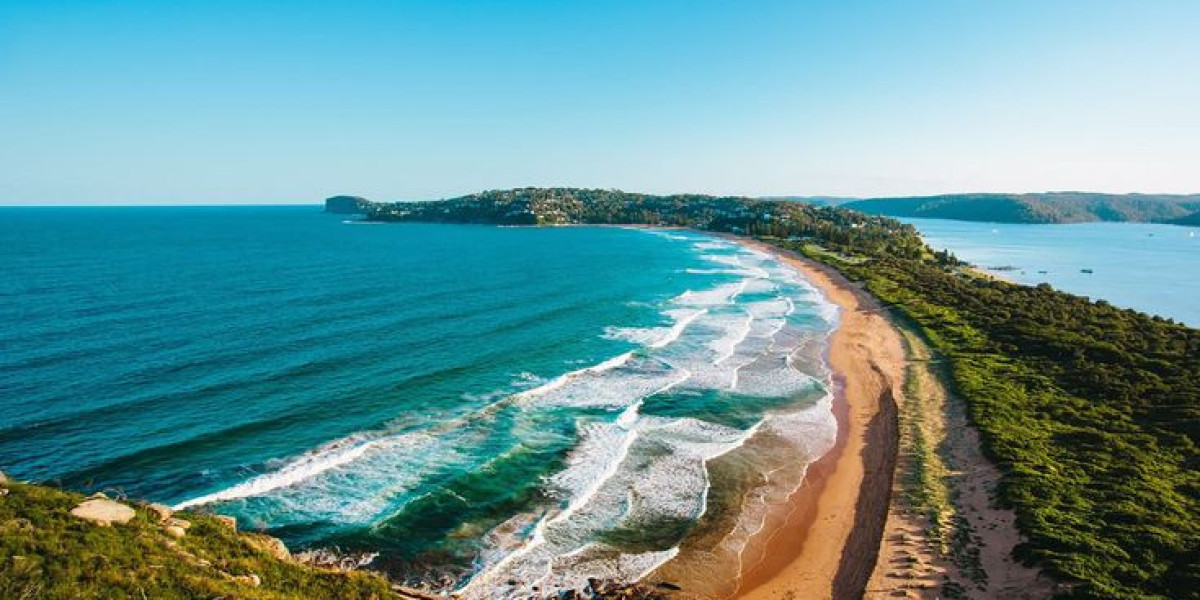

In a world driven by high-speed connections and packed itineraries, a new trend is quietly emerging in the realm of tourism, slow travel. It’s not just a method of moving; it’s a mindset. Instead of rushing through a checklist of sights, slow travel encourages visitors to immerse themselves in the culture, savor the scenery, and foster deeper connections with the places they explore.
Whether you’re gazing up at modern architectural wonders in bustling metropolises or wandering through centuries-old villages in peaceful highlands, slow travel invites you to absorb the moment. From iconic tourist attractions in Dubai to the serene places to visit in Georgia, this approach to travel offers a refreshing alternative to fast-paced vacations.
What Is Slow Travel?
Slow travel is an intentional form of tourism that emphasizes quality over quantity. Instead of hopping from city to city or country to country in a matter of days, travelers linger longer, explore deeply, and reduce the stress associated with overplanning. It’s about meaningful interactions, whether that means learning a few words in the local language, cooking with a local family, or hiking through less-traveled paths.
This movement often goes hand-in-hand with sustainable tourism. Staying longer in one place can reduce transportation emissions, support local economies, and minimize the strain on overvisited destinations. But beyond its environmental benefits, slow travel enhances personal experiences, making trips feel more enriching and restorative.
The Slow Side of Dubai
While Dubai is famously known for its glittering skyline and record-breaking skyscrapers, it’s also home to experiences that perfectly align with slow travel values. Beyond the hustle of shopping malls and luxury cars, you’ll find historic neighborhoods, cultural enclaves, and quiet desert landscapes that offer a completely different pace.
For instance, the Al Fahidi Historical District reveals a side of the city untouched by time, with traditional wind towers and labyrinthine alleys that encourage leisurely exploration. The desert, too, invites calm with its golden silence—sunset walks across sand dunes or nights under starlit skies can create a sense of grounding and awe.
If you’re keen on discovering tourist attractions in Dubai beyond the typical rush, consider a day spent aboard an abra on Dubai Creek, sipping Arabic coffee in a courtyard café, or wandering art galleries in Alserkal Avenue. Each experience offers moments of pause, reflection, and connection.
Embracing Stillness in Georgia
On the other side of the world lies Georgia, a small country with massive charm. Nestled between Europe and Asia, Georgia offers an inviting blend of nature, tradition, and heartfelt hospitality. It’s a haven for slow travelers thanks to its laid-back lifestyle, unspoiled landscapes, and deep-rooted culture.
Wandering through Tbilisi’s old town, soaking in sulfur baths, or simply chatting with a vineyard owner in the Kakheti wine region, these are experiences meant to be savored, not rushed. Each corner of the country beckons you to slow down, breathe, and take it all in.
If you’re seeking truly relaxing places to visit in Georgia, consider exploring the alpine villages of Svaneti, the calm beaches of the Black Sea, or the peaceful monasteries carved into cliffs. Georgia invites visitors to journey slowly, not just across terrain, but through time.
Why Slow Travel Is Gaining Popularity
The shift toward slow travel is partly a response to travel burnout. With the rise of social media and short-form content, many tourists feel pressured to see more, do more, and share it all. But this fast-paced mindset can be exhausting. Slow travel offers an antidote: the permission to go deep rather than wide.
Additionally, as people become more mindful of their environmental footprint and mental wellness, travel trends are evolving. The need for reconnection, with nature, with local communities, and with oneself, has never been more important.
Unlike a whirlwind tour, slow travel helps create memories that aren’t blurred by jet lag or itinerary overload. The quiet moments, a sunrise walk, a local conversation, a home-cooked meal, often become the most vivid and cherished.
Tips to Start Slow Traveling
Getting started with slow travel doesn’t require a complete lifestyle overhaul. Here are a few ways to ease into the rhythm:
Stay longer in one place: Instead of visiting five cities in ten days, pick one or two and spend quality time in each.
Use local transport: Trains, buses, or even bicycles offer a slower pace and more immersive views.
Unplug when possible: Reduce screen time to focus on your surroundings.
Avoid over-scheduling: Leave room in your itinerary for spontaneous moments and rest.
Engage with locals: Participate in workshops, community events, or shared meals to build genuine connections.
Slow travel is less about the “where” and more about the “how.” Whether you’re visiting a megacity or a mountain hamlet, the key is to engage deeply and move intentionally.
Combining the Best of Both Worlds
Interestingly, slow travel doesn't have to exclude popular destinations. You can enjoy world-famous cities like Dubai or natural retreats like Georgia through a slow-travel lens. It’s all about your approach.
In Dubai, for example, you could bypass theme parks in favor of a sunrise desert yoga session or attend a traditional calligraphy class. In Georgia, instead of a quick wine tasting, you could volunteer at a local vineyard during harvest. Even a major city can feel tranquil when explored slowly and mindfully.
The beauty of slow travel lies in its flexibility. It's not about where you go, but how present you are once you get there.
Final Thoughts
As travel becomes more accessible and widespread, there's a growing desire for depth over speed. People are seeking more than just souvenirs, they want stories, emotions, and understanding. Slow travel provides that opportunity. It's an invitation to disconnect from the rush and reconnect with what truly matters: the world around us and the lives within it.
Whether you’re exploring iconic tourist attractions in Dubai or discovering offbeat places to visit in Georgia, slow travel turns every journey into a story worth telling. It’s not about ticking off destinations, it’s about feeling them, living them, and remembering them long after the trip ends.