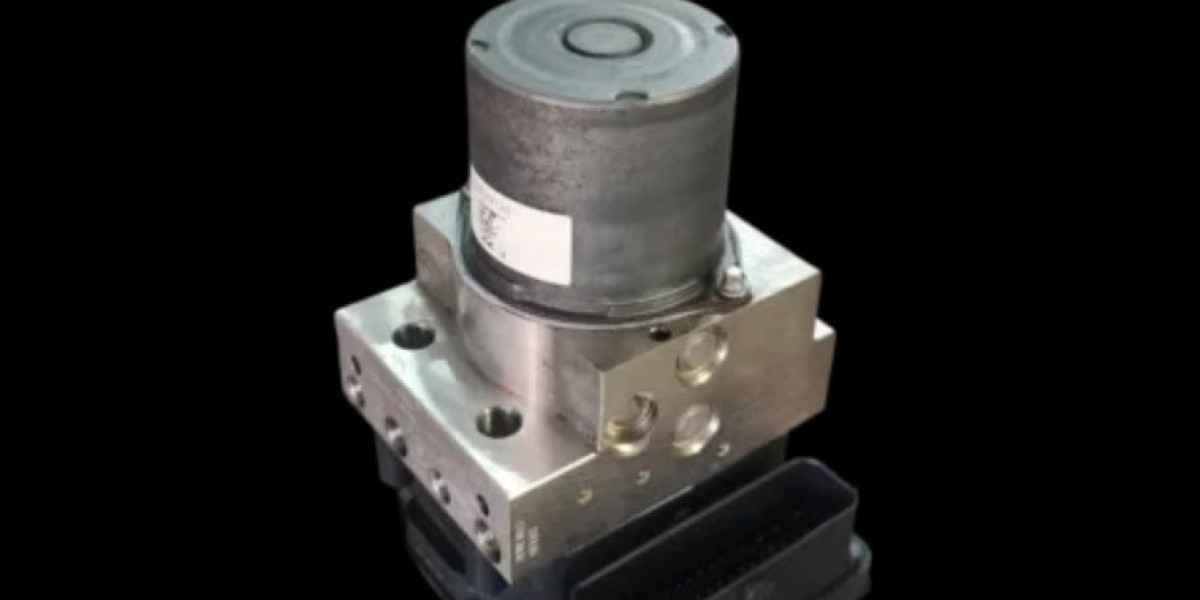

ABS Pump: The Unsung Hero of Vehicle Braking Systems
Braking systems have come a long way since the early days of motoring. In today’s vehicles, advanced technology ensures that drivers can stop safely, even under less-than-ideal conditions. One of the most critical components in this safety evolution is the ABS pump, a hydraulic device that works silently behind the scenes to prevent dangerous wheel lock-ups and skidding.
Although it’s not a part that most drivers think about regularly, the ABS pump plays a vital role in emergency braking and overall vehicle stability. This article aims to highlight its purpose, how it works, what happens when it fails, and why every driver should understand its importance.
The Role of the ABS Pump
The Anti-lock Braking System (ABS) is designed to keep a vehicle’s wheels from locking up during intense braking. Wheel lock-up can cause a complete loss of traction and steering control, especially on wet, icy, or loose surfaces. The ABS pump is at the heart of this system, helping regulate brake pressure to ensure that traction is maintained.
Here’s what happens during an ABS event:
As you brake, the system constantly monitors the speed of each wheel.
If one wheel slows down too quickly (suggesting it might lock), the ABS control unit reduces brake pressure to that wheel.
The ABS pump then works to rebuild and reapply the hydraulic pressure to allow controlled deceleration without losing grip.
This cycle occurs rapidly and repeatedly, ensuring a balance between stopping power and steering control.
How It Works in Real-World Conditions
Imagine driving on a rain-slick highway when a car in front of you stops suddenly. You slam on the brakes. Without ABS, your wheels could lock up, causing the vehicle to slide uncontrollably. But with ABS, and particularly with the ABS pump functioning properly, the system will detect the wheel behavior, reduce the pressure briefly, and then restore it—repeating this process several times per second. This action allows you to brake hard while still steering to avoid a collision.
In this real-world scenario, the ABS pump plays a crucial role by modulating pressure effectively, giving you the best chance of avoiding an accident.
Components That Support the ABS Pump
The ABS pump doesn’t operate in isolation. It’s part of a system that includes:
Wheel Speed Sensors: Detect how fast each wheel is rotating.
ABS Control Module: Makes decisions based on sensor data and sends commands.
Hydraulic Valves: Open and close to adjust brake fluid flow.
Pump Motor: The mechanical component inside the ABS pump responsible for pressurizing the brake fluid.
Together, these parts form a rapid-response braking support system, improving safety and control under unpredictable conditions.
Recognizing ABS Pump Issues
While the ABS pump is built to be durable, it can still fail over time. Identifying early warning signs can prevent further damage and maintain braking performance. Common indicators include:
ABS Warning Light: If the ABS light stays illuminated on the dashboard, it usually means there’s a system fault, which often involves the pump.
Inconsistent Brake Pedal Response: A soft, spongy, or unusually stiff pedal may signal hydraulic issues connected to the ABS pump.
No Pulsing During Panic Braking: If the ABS doesn’t activate during a hard brake, the pump or module could be the culprit.
Unusual Noises: A buzzing or grinding noise when braking may point to a failing pump motor.
Longer Stopping Distance: If you find your vehicle takes longer to stop—especially in wet conditions—check the ABS components immediately.
These symptoms should not be ignored, as they may impact overall vehicle safety.
What Causes ABS Pump Failure?
A range of issues can lead to ABS pump failure, including:
Aging Brake Fluid: Over time, brake fluid absorbs moisture, which can cause internal corrosion and damage the pump.
Electrical Problems: Faulty wiring, damaged connectors, or relay failures may prevent the pump from receiving commands.
Pump Motor Burnout: Like any electric motor, the ABS pump motor can wear out due to heat, friction, or overuse.
Internal Blockages: Dirt or debris in the brake fluid can clog the valves or restrict the pump’s movement.
Sensor Errors: Malfunctioning speed sensors can send false data, preventing proper pump activation.
Identifying the exact cause typically requires diagnostic tools and a systematic inspection.
Maintaining the ABS Pump
While the ABS system is mostly self-operating, there are ways to support its longevity:
Change Brake Fluid Regularly: Most manufacturers recommend flushing the brake fluid every two to three years. Clean fluid keeps internal components in good shape.
Inspect ABS Components During Service: Have your mechanic check the pump, sensors, and wiring during routine brake inspections.
Don’t Ignore Warning Lights: A lit ABS light is an invitation to investigate—not to be shrugged off.
Drive Mindfully: Smooth braking habits reduce the workload on ABS components.
Keep the Undercarriage Clean: Dirt, road salt, and grime can damage wiring or connectors linked to the pump.
Preventive care is always cheaper and safer than a full system replacement.
Can You Drive Without a Working ABS Pump?
In most cases, yes. Your car’s traditional braking system will still work without a functioning ABS pump. However, you lose a crucial safety feature that can help prevent accidents in challenging driving conditions.
Without the ABS pump, the system cannot modulate pressure, and the wheels are more likely to lock during emergency braking. The result could be a loss of traction, inability to steer, and an increased risk of collisions. That’s why even if your brakes seem “normal,” driving with a failed ABS pump isn’t advisable—especially in rainy or icy conditions.
Final Thoughts
The ABS pump may not be flashy, but its importance in vehicle safety can’t be overstated. By managing hydraulic brake pressure during sudden stops, it helps drivers retain control and avoid dangerous situations. Understanding how it works, spotting early signs of trouble, and maintaining it properly can go a long way toward ensuring your safety on the road.
As part of a larger, smart braking ecosystem, the ABS pump is a silent but powerful ally every time your foot hits the brake pedal. It's not just a component—it’s a safeguard.