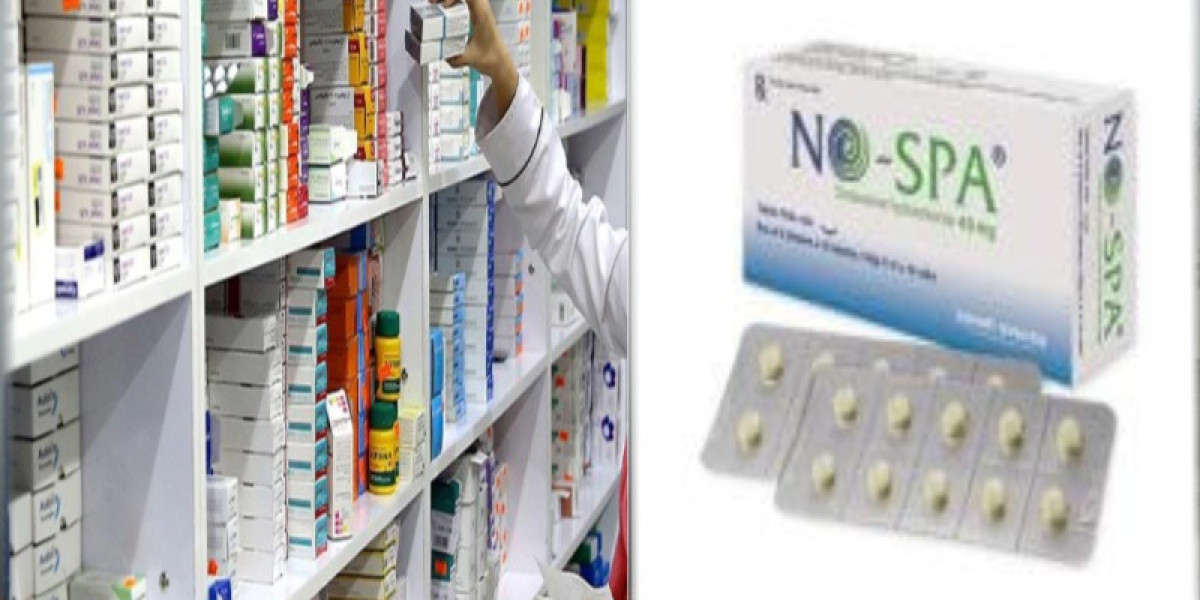

In Pakistan, medical stores play a vital role in ensuring that communities have access to essential medicines, health products, and basic medical guidance. They serve as a bridge between healthcare providers and patients, making sure people can conveniently obtain prescribed medications as well as over-the-counter remedies. Whether located in bustling city centers or small rural towns, these outlets are often the first stop for individuals seeking relief from common illnesses. The availability of trained pharmacists in many medical stores adds to their credibility, as they can provide guidance on dosage, side effects, and alternative options for certain medicines.
Accessibility and Coverage
One of the greatest strengths of Pakistan’s healthcare system lies in the widespread availability of these stores. From metropolitan areas like Karachi and Lahore to smaller towns and villages, there is usually at least one shop offering medical supplies. This extensive reach ensures that people do not have to travel long distances to acquire essential drugs. For those living in remote areas, these outlets may even function as mini-clinics, where basic health checks and advice are provided.
Variety of Products and Services
Today’s medical stores in Pakistan offer much more than just prescription drugs. They carry a range of health-related products including vitamins, supplements, baby care items, and personal hygiene goods. Some even provide diagnostic services like blood pressure monitoring and blood sugar testing. In recent years, many have begun integrating digital systems for inventory management, ensuring that medicines are always in stock and reducing the risk of counterfeit products.
The Role of Pharmacists
Pharmacists are the backbone of any reputable medical store. Their knowledge ensures that customers receive the correct medication and understand its proper usage. They also play an educational role, warning patients about potential drug interactions or allergic reactions. In Pakistan, regulations increasingly require that qualified personnel operate these outlets, helping to build public trust and maintain safety standards.
Challenges Faced by Medical Stores
Despite their importance, these stores face several challenges. The rise of counterfeit drugs, inconsistent supply chains, and lack of proper storage facilities can all affect service quality. Additionally, economic fluctuations impact the affordability of medicines for everyday people. Addressing these challenges requires better regulatory oversight, improved distribution systems, and continuous training for store operators.
Popular Medicines in Demand
Some medicines have become household names due to their frequent use in Pakistan. Pain relievers, antibiotics, and antispasmodics are among the most sought-after products. For instance, the is often used for relief from muscle spasms and abdominal pain, making it a common purchase across the country. Its widespread availability in most medical outlets reflects both the trust it has gained among patients and the efficiency of distribution networks.
Conclusion
Medical stores in Pakistan are a cornerstone of the healthcare delivery system. They not only provide access to vital medicines but also serve as reliable sources of health information. nospa tab Strengthening this sector through better regulation, staff training, and modern inventory systems will ensure that the population continues to benefit from convenient and safe access to medicines. With their extensive reach and trusted service, these outlets will remain an essential part of community health for years to come.