
It’s funny how borders look so sharp on a map—thin lines, neat labels, perfect symmetry. But when you stand in the places where two worlds meet, the lines blur. They’re not just political boundaries; they’re breathing spaces, cultural overlaps, and living, shifting connections. I’ve always been drawn to that edge of familiarity and discovery, where you’re not fully here but not quite there, either.
I first felt this pull on a quiet spring morning years ago, driving along a winding stretch of road that zigzagged between two states. The signposts would change—Welcome to Here, Now Leaving There—like a slow flipbook of identities. But what struck me wasn’t the separation. It was the way life on both sides seemed to share the same sunlight, the same laughter spilling from backyards, the same scent of fresh bread drifting from a bakery whose customers spoke two languages without even thinking about it.
The Quiet Magic of Cross-Border Friendship
Borders can be heavy with history, rules, and politics, but in the small everyday moments, they can also dissolve. I’ve met people who live on one side and work on the other, who shop at a weekend market across the line because their grandmother always did, who borrow sugar from a neighbor whose address is technically in another country.
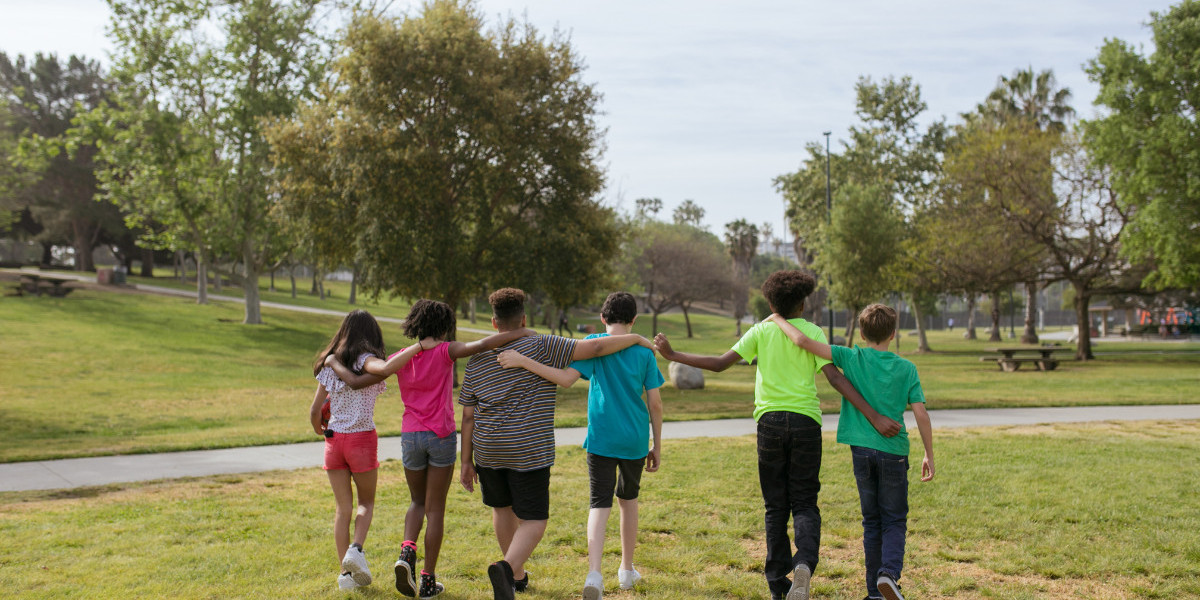
It’s these micro-connections that inspired projects like Border Buddies—a celebration of the human stories found in the spaces between nations, states, and identities. It’s not about crossing barriers for the sake of it. It’s about the friendships, shared meals, and laughter that ignore imaginary lines.
When a Road Trip Turns Into a Conversation
I once took a detour through a small town known for straddling a border. The coffee shop there had two counters—one technically in one country, the other in another. Customers didn’t seem to care; they’d order from whichever side was closer to their table. I asked the barista if this ever caused confusion.
She laughed. “Only when the Wi-Fi switches networks. But we’ve learned to work around it.”
There’s something poetic in that. Humans are adaptable. We find ways to make the arbitrary feel normal, even comforting. And in the process, we create new rhythms of connection.
Borders in the Mind vs. Borders on the Ground
Maps can make us believe boundaries are final, fixed. But when you actually walk the streets, you realize the edges are full of stories. You’ll see families whose histories stretch across both sides, businesses that depend on cross-border trade, festivals that pull crowds from everywhere. The border becomes less of a wall and more of a gathering place.
And maybe that’s the lesson—borders aren’t just the end of one thing and the start of another. They’re living proof that cultures can blend without losing themselves.
FAQ: Border Life and Cross-Cultural Connections
1. What makes border towns unique?
They’re shaped by two or more cultures at once, blending traditions, languages, and lifestyles into a unique local identity.
2. How do borders influence daily life?
For residents, borders can mean small adjustments—like different currencies, time zones, or laws—but they often adapt naturally.
3. Are borders always physical barriers?
Not necessarily. Many borders are open and marked only by signs, while others have checkpoints and infrastructure.
4. What is cross-border friendship?
It’s the relationships and exchanges that happen between people on opposite sides of a boundary, often built through work, trade, or shared community events.
5. How do festivals help bridge borders?
They draw people from both sides, creating shared cultural experiences that build understanding.
6. Why are borders important in travel writing?
They offer rich stories about contrast, connection, and cultural blending—key themes in compelling travel narratives.
7. Can food reflect border culture?
Absolutely. Many border towns have fusion cuisines that mix flavors, recipes, and ingredients from both sides.
8. Do borders change over time?
Yes—politically, geographically, and socially. Shifts in policy or infrastructure can change how a border functions.