
Fishing is a blend of skill, patience, and the right equipment. Among the many tools anglers use, the jig head stands out as one of the most versatile and effective. Whether you're a beginner or an experienced fisherman, learning how to use a jig head properly can make a huge difference in your catch rate. This compact piece of gear may look simple, but it holds the potential to attract a wide variety of fish species in different water conditions. By understanding its purpose, types, and techniques, you can elevate your fishing experience to the next level.
What is a Jig Head?
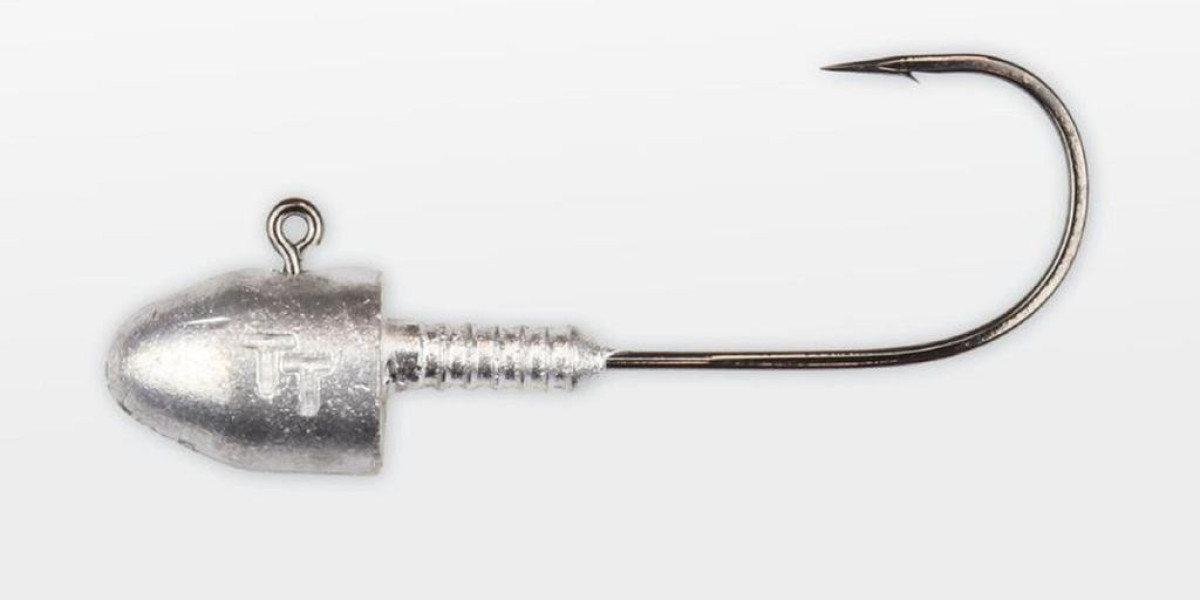
A jig head is a type of fishing lure consisting of a weighted head and a hook, designed to be combined with a soft plastic bait or live bait. The weight of the head helps it sink into the water, while the hook secures the catch. Jig heads are popular because they can mimic the movement of prey, making them irresistible to fish. They come in different shapes, sizes, and colors to suit specific fishing conditions and target species. This adaptability makes jig heads a staple in any angler's tackle box.
Why Every Angler Should Use a Jig Head
One of the main reasons jig heads are so popular is their versatility. You can use them in both freshwater and saltwater, targeting anything from bass and crappie to walleye and redfish. They are also highly effective for fishing at different depths. By changing the weight of the jig head, you can control how fast it sinks, allowing you to fish near the surface, in mid-water, or right on the bottom. Additionally, jig heads are beginner-friendly, as they are easy to rig and require minimal specialized equipment. For professional anglers, the jig head offers precision and control that can be fine-tuned for specific fishing conditions.
Types of Jig Heads and Their Uses
There are several types of jig heads, each with unique advantages. The round head jig is the most common, offering a balanced and versatile design suitable for most fishing situations. The swim jig head is streamlined for a smooth, natural swimming motion, perfect for covering large areas quickly. Football jig heads have a wider shape that helps prevent snagging in rocky areas. There are also specialized jig heads like the stand-up jig, which keeps the hook upright on the bottom, making it ideal for targeting bottom-feeding fish. By understanding these types, you can choose the right jig head for the specific fishing environment and target species.
Best Techniques for Fishing with Jig Heads
Fishing with a jig head requires mastering a few basic techniques. One common method is the vertical jigging technique, where you drop the jig head straight down into the water and lift it up and down to mimic a wounded baitfish. Another approach is the swimming retrieve, where you reel in steadily to imitate a fish swimming naturally. Hopping the jig along the bottom can also be effective for species like bass and walleye. The key is to experiment with speed, depth, and movement until you find what triggers a bite. Paying attention to water temperature, current, and fish behavior will help you fine-tune your presentation.
Choosing the Right Jig Head for Different Conditions
Selecting the right jig head depends on the water clarity, depth, and target fish. In clear water, natural colors like green, brown, and silver often work best, as they blend in with the surroundings. In murky or stained water, bright colors like chartreuse or pink can attract attention. Heavier jig heads are ideal for deep water or strong currents, while lighter ones work better in shallow, calm waters. Hook size also matters; Smaller hooks are suitable for panfish, while larger hooks target larger species. By adapting your jig head choice to the conditions, you increase your chances of success.
Benefits of Using Soft Plastics with Jig Heads
Soft plastic baits pair perfectly with jig heads, offering a lifelike look and feel that fish find hard to resist. You can choose from worms, shad, minnows, or crawfish imitations depending on your target species. The flexibility of soft plastics allows them to move naturally in the water, and their variety in colors, scents, and textures gives you endless customization options. Rigging a soft plastic onto a jig head is simple, yet it creates a combination that can fool even cautious fish into biting.
Conclusion
The jig head may look simple, but it's a powerful tool in the hands of an angler who understands how to use it effectively. Its versatility, ease of use, and ability to adapt to various fishing conditions make it a must-have in every tackle box. By learning the different types, techniques, and maintenance tips, you can significantly improve your fishing game. Whether you're after trophy bass in freshwater or chasing redfish in saltwater, the jig head is your secret weapon for success. With practice and the right approach, you'll soon see why anglers around the world trust this small but mighty piece of fishing gear.