
When choosing interior doors for your home, two popular options stand out: solid core interior doors and frosted glass doors. Both offer distinct advantages in terms of aesthetics, functionality, and durability.
In this comprehensive guide, we’ll explore the benefits, drawbacks, and best use cases for each type of door, helping you make an informed decision for your next home improvement project.
1. Introduction to Solid Core Interior Doors
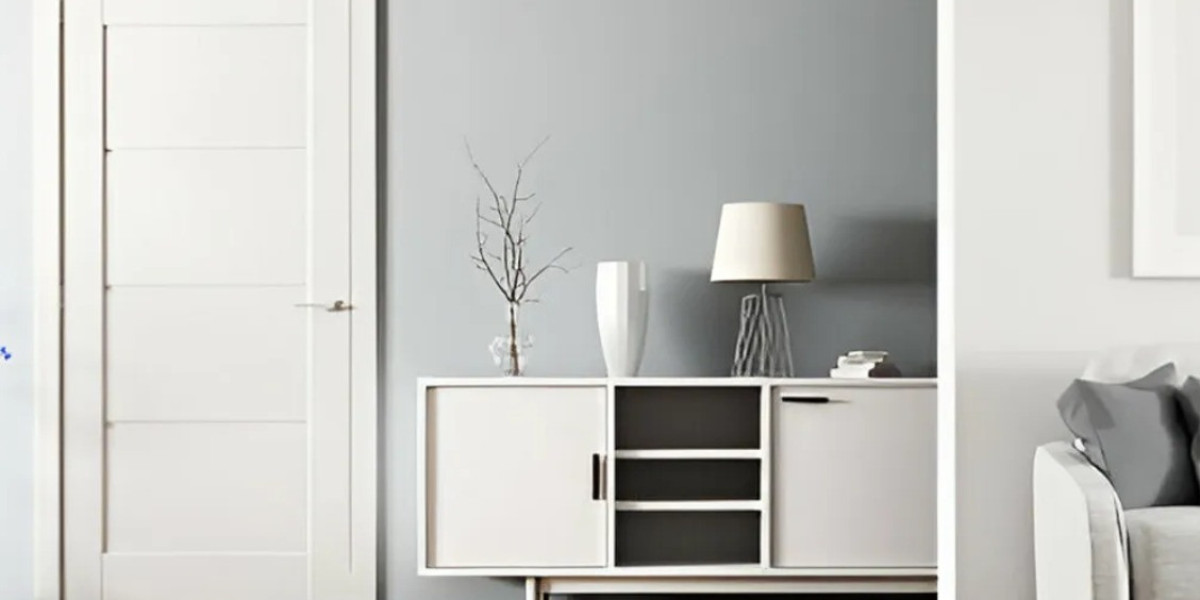
Solid core interior doors are constructed with a dense inner core, typically made of wood composite, particleboard, or fiberglass, and covered with a veneer or laminate finish. Unlike hollow-core doors, they provide better sound insulation, durability, and a premium feel.
Advantages of Solid Core Interior Doors
Superior Soundproofing – The dense core reduces noise transfer, making them ideal for bedrooms, offices, and media rooms.
Enhanced Durability – More resistant to dents and warping compared to hollow-core doors.
Better Insulation – Helps maintain room temperature, improving energy efficiency.
Luxurious Feel – Offers a heavier, high-end appearance similar to solid wood doors.
Increased Security – Harder to break through, adding an extra layer of safety.
Disadvantages of Solid Core Doors
Higher Cost – More expensive than hollow-core or basic glass doors.
Heavier Weight – Requires sturdy hinges and frames for proper installation.
Limited Design Options – Mostly available in traditional wood finishes rather than decorative glass styles.
Best Uses for Solid Core Doors
Bedrooms (for privacy and noise reduction)
Home offices (to minimize distractions)
Bathrooms (for added insulation and moisture resistance)
Entryways between noisy and quiet areas of the home
2. Introduction to Frosted Glass Doors
Frosted glass doors feature glass panels that have been treated to create a semi-opaque, blurred effect. They allow light to pass through while maintaining privacy, making them a stylish and functional choice for modern interiors.
Advantages of Frosted Glass Doors
Natural Light Diffusion – Brightens up spaces without full transparency.
Modern Aesthetic – Sleek and contemporary, perfect for minimalist or Scandinavian designs.
Privacy with Light – Ideal for bathrooms, closets, and office partitions.
Customizable Designs – Available in etched patterns, geometric shapes, and textured finishes.
Space Enhancement – Makes small areas feel more open and airy.
Disadvantages of Frosted Glass Doors
Less Soundproofing – Glass does not block noise as effectively as solid core doors.
Fragility Risk – More prone to cracks and breaks compared to solid wood or composite doors.
Higher Maintenance – Requires regular cleaning to avoid smudges and fingerprints.
Limited Insulation – Not as energy-efficient as solid doors.
Best Uses for Frosted Glass Doors
Bathrooms (for privacy with natural light)
Kitchen pantries or cabinets (for a modern look)
Office dividers or conference rooms (to maintain openness)
Closet doors (to add elegance without full exposure)
3. Key Differences Between Solid Core and Frosted Glass Doors
| Feature | Solid Core Interior Doors | Frosted Glass Doors |
|---|---|---|
| Material | Wood composite, MDF, fiberglass | Tempered or laminated glass |
| Privacy | Full privacy | Semi-private (light passes through) |
| Soundproofing | Excellent | Minimal |
| Durability | Highly durable | Prone to cracks if impacted |
| Aesthetic | Traditional, classic | Modern, sleek |
| Cost | Mid to high range | Mid-range (varies by design) |
| Maintenance | Low (easy to clean) | Moderate (needs frequent cleaning) |
| Best For | Bedrooms, offices, bathrooms | Bathrooms, closets, partitions |
4. How to Choose the Right Door for Your Home
When deciding between solid core and frosted glass doors, consider the following factors:
1. Privacy Needs
If you need complete privacy (e.g., bedrooms, bathrooms), solid core doors are the best choice.
If you prefer light flow with partial privacy (e.g., shower doors, office dividers), frosted glass doors work well.
2. Noise Control
For rooms requiring sound insulation (e.g., home theaters, nurseries), solid core doors are superior.
Frosted glass doors are better suited for areas where noise isn’t a major concern.
3. Design Preferences
For a traditional, warm aesthetic, solid wood or wood-finish solid core doors are ideal.
For a modern, airy feel, frosted glass doors add sophistication.
4. Budget Considerations
Solid core doors are generally more expensive but offer long-term durability.
Frosted glass doors can be cost-effective but may require higher maintenance.
5. Installation and Maintenance
Solid core doors need strong hinges and proper framing due to their weight.
Frosted glass doors should be installed carefully to prevent cracks and may need frequent cleaning.
5. Combining Both Styles for a Balanced Look
Why choose just one? Many homeowners mix both styles for a functional yet stylish interior. For example:
Use solid core doors for bedrooms and frosted glass doors for bathrooms.
Install frosted glass inserts in solid doors for a semi-private yet elegant look.
Use glass doors in kitchens or living areas while keeping solid doors for private spaces.
6. Final Verdict: Which Door is Best for You?
Choose Solid Core Doors If:
✔ You prioritize noise reduction and privacy.
✔ You want long-lasting durability.
✔ You prefer a classic, high-end look.Choose Frosted Glass Doors If:
✔ You love modern, light-filled spaces.
✔ You need partial privacy with natural light.
✔ You want customizable, stylish designs.
7. Conclusion
Both solid core interior doors and frosted glass doors have unique benefits that cater to different needs. Solid core doors excel in soundproofing and durability, while frosted glass doors enhance aesthetics and light diffusion.
By assessing your home’s requirements—whether it’s privacy, noise control, or design—you can select the perfect door to complement your living space.
Would you prefer the sturdy elegance of solid core doors or the sleek transparency of frosted glass? The choice is yours!
Ubicación del Autor
Unit 2-3, 6815 Rexwood Road, Mississauga