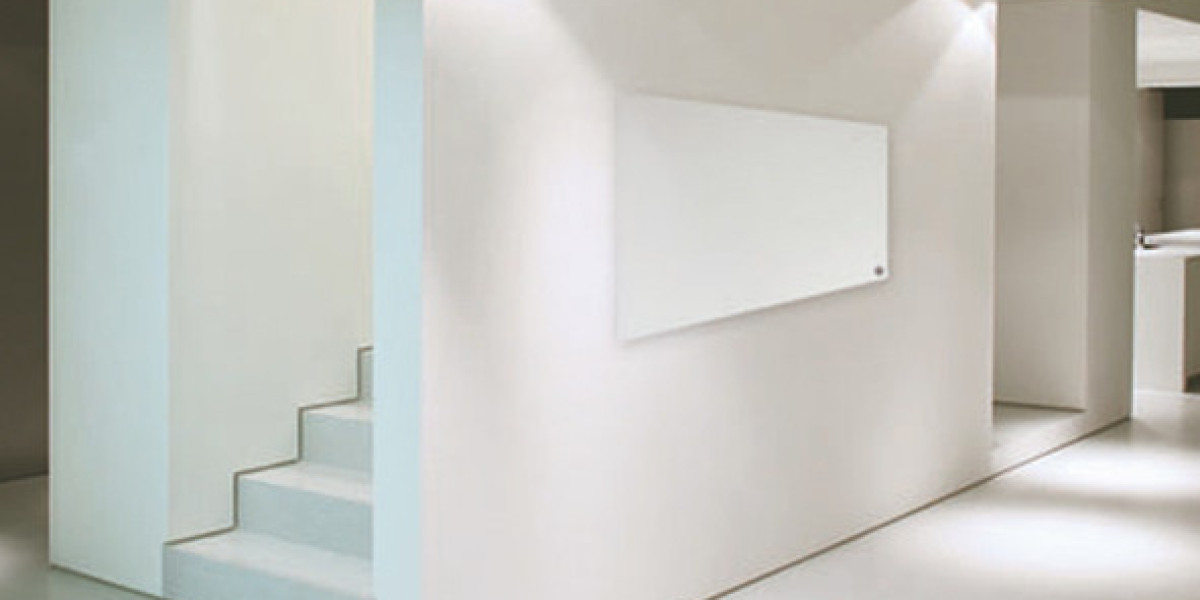

As the chill of winter sets in and temperatures drop, many of us find ourselves reaching for the thermostat, eager to embrace the warmth of home. But as we cozy up with our blankets and hot cocoa, have you ever paused to consider how your heating choices impact not only your comfort but also our planet? Enter the electric radiant heater—a game-changer in eco-friendly heating solutions that promises to keep you warm while treading lightly on Mother Earth. In this post, they’ll explore why these innovative heaters are not just a stylish addition to your space but a smart choice for sustainable living
What is a Radiant Heater and How Does it Work?
A radiant heater is a type of heating system that works by transferring heat directly to objects and people in its vicinity, rather than heating the air. This method of heating is also known as infrared heating, as it uses infrared radiation to transfer heat. The basic principle behind a radiant heater is that all objects emit or absorb infrared radiation based on their temperature. When an object is heated, it emits this radiation which can be felt as warmth. Similarly, when an object absorbs this radiation, it gets warmer.
Radiant heaters use this concept to provide heat in a more targeted and efficient manner. They consist of heating elements made from materials such as ceramic or quartz that are capable of producing high amounts of infrared radiation when heated. These elements are usually enclosed in protective casings and can come in various shapes and sizes depending on the type of heater.
When turned on, the heating element inside the radiant heater starts to emit infrared radiation which travels through space until it reaches another object or surface. The intensity and direction of this radiation can be adjusted using reflectors or lenses placed around the element. Once the infrared rays reach an object or person, they get absorbed and converted into heat energy, thus raising their temperature. This process continues until all nearby objects have reached a comfortable level of warmth.
The Environmental Impact of Traditional Heating Methods
Traditional heating methods, such as gas and oil furnaces, have a significant environmental footprint. These systems often rely on fossil fuels, which contribute to greenhouse gas emissions. As these gases accumulate in the atmosphere, they exacerbate climate change and lead to global warming.
Moreover, the extraction of fossil fuels can result in habitat destruction. This not only affects wildlife but also disrupts ecosystems that are crucial for maintaining biodiversity. Air quality suffers too. Burning fossil fuels releases pollutants that can cause respiratory issues and other health problems for inhabitants.
In contrast to renewable energy sources like solar or wind power, traditional heating options fall short in sustainability. They perpetuate reliance on non-renewable resources while diminishing air quality over time. The transition away from these conventional methods is essential for a healthier planet and future generations.
Energy Efficiency with the Use of Radiant Heater
Energy efficiency is a crucial factor to consider when looking for heating solutions, not only for the environment but also for our wallets. Traditional heating methods often result in high energy consumption and costly utility bills. This is where radiant heaters come in as an eco-friendly alternative that provides efficient heating while also being cost-effective.
Radiant heaters work by emitting infrared radiation that heats up objects and people directly, rather than heating the air around them like traditional heaters. This direct transfer of heat results in less energy wastage as there is no need to continuously heat and circulate large volumes of air.
One of the main reasons why radiant heaters are highly efficient is their ability to target specific areas or zones in a room. Unlike central heating systems that heat up an entire space, radiant heaters can be placed strategically to provide warmth only where it is needed. For example, you can have a radiant heater installed above your workstation or near your seating area, allowing you to control the temperature according to your comfort level without wasting energy on unoccupied spaces.
Cost Savings with the Efficient Radiant Heater
One of the most appealing benefits of choosing a radiant heater for your heating needs is the potential for significant cost savings. As compared to other heating options, radiant heaters are known to be more energy efficient and cost-effective in the long run.
Firstly, radiant heaters use infrared technology to directly heat objects and people in a room rather than wasting energy by heating the entire space. This means that they can provide warmth exactly where it is needed, resulting in less wasted energy and lower utility bills. In contrast, traditional forced-air systems heat the air first, which then circulates throughout the room, often resulting in uneven temperatures and higher energy consumption.
Moreover, radiant heaters do not require any ductwork or piping like other central heating systems do. This eliminates the need for costly installation processes and regular maintenance expenses associated with such systems. Additionally, since there is no need for a fan or compressor to circulate warm air, these heaters operate quietly and without any additional electricity costs.
Versatility in Placement and Design: Electric Radiant Heater
Electric radiant heaters are a versatile and efficient heating solution that can be used in a variety of settings. These heaters offer flexibility in terms of placement options and design, making them a popular choice among homeowners and businesses alike.
Placement Options
One of the major advantages of electric heaters is their versatility in terms of placement. Unlike traditional central heating systems, which are fixed to specific locations within a building, electric radiant can be easily moved and placed wherever heat is needed.
These heaters are available in both portable and wall-mounted options. The portable models come with wheels or casters, making it easy to move them from room to room as needed. This makes them an ideal choice for those who want targeted heating solutions for different areas of their home or office.
Design Flexibility
Electric heaters also offer design flexibility with various styles and sizes available on the market. They come in sleek designs that blend seamlessly into any decor style without being an eyesore like traditional bulky radiators. Some models feature slim profiles that take up minimal space while still providing powerful heating capabilities. This makes them ideal for smaller spaces such as apartments or offices with limited floor space.
Types of Radiant Heaters and their Role
Radiant heaters come in various types, each suited for different needs and preferences.
Both options offer unique advantages depending on your home’s infrastructure and heating requirements. Choosing the right one enhances comfort while reducing environmental impact significantly.
Electric-Radiant Heaters
Electric heaters are a popular choice for many households seeking efficient heating solutions. They work by converting electricity into heat, which is then radiated throughout the room. This method ensures that warmth reaches you directly rather than warming the air first.
One of the primary advantages of electric heaters is their ease of installation. Many models are portable, allowing you to move them from one room to another as needed. This flexibility makes them an excellent option for targeted heating.
Additionally, these heaters can be very energy-efficient when used wisely. By focusing on specific areas instead of heating an entire home, they reduce overall energy consumption while keeping you comfortable in your favorite spaces. With various designs available, electric heaters can seamlessly blend with your home decor. Whether sleek and modern or more traditional styles catch your eye, there’s likely a perfect match waiting for you.
Gas Radiant Heaters
Gas radiant heaters are an energy-efficient choice for heating spaces. They work by emitting infrared radiation that warms objects and people directly, rather than heating the air. This method leads to faster warmth without wasting energy on empty space. Homeowners appreciate their ability to provide consistent heat even in larger areas.
Installation is relatively straightforward, making them a popular option in both residential and commercial settings. They can be found as wall-mounted units or portable models, offering flexibility according to your needs.
Another notable feature is their eco-friendliness when compared to traditional methods. By using natural gas or propane, these heaters emit lower levels of greenhouse gases while delivering effective warmth. Choosing a gas radiant heater means embracing comfort without compromising environmental responsibility. This makes it a smart addition for those looking to optimize home heating solutions.
Comparison with Other Eco-Friendly Heating Options
When exploring eco-friendly heating options, radiant heaters stand out but are not the only choice. Solar heating is a popular alternative. It harnesses sunlight to generate warmth, making it an abundant and renewable energy source. However, solar systems often require significant upfront investment and adequate sun exposure.
Geothermal heating offers another sustainable solution by utilizing the earth’s stable underground temperature. This method can provide efficient heating with lower operational costs over time. Yet, installation can be complex and may not be suitable for every location due to geological conditions.
Radiant heaters excel in their efficiency and ease of installation compared to these alternatives. They deliver direct heat where needed without energy loss through ducts or vents, ensuring comfort while minimizing waste. Each option has its own advantages and drawbacks based on your specific situation—location, budgetary constraints, and personal preferences play crucial roles in choosing the best system for your needs.
Conclusion
In conclusion, the electric radiant heater is a highly efficient and eco-friendly heating solution. Its ability to directly heat objects and people without wasting energy on heating the air makes it a cost-effective option for both residential and commercial use. Additionally, its portability and lack of harmful emissions make it a safe choice for families with children or pets. By choosing an electric-radiant heater, we can not only save money on our heating bills but also contribute towards reducing our carbon footprint and creating a more sustainable future.
FAQS
What Is An Electric Radiant Heater?
An electric heater is a type of heating system that uses electricity to generate heat. It works by heating up a ceramic, metal, or quartz element and then emitting infrared radiation, which warms up objects and surfaces in the room.
Are Electric Heaters Energy-Efficient?
Yes, electric heaters are considered highly energy-efficient because they convert almost all of the electricity they use into heat. Unlike traditional heating systems that rely on air circulation, these heaters do not lose any heat in the process.
How Does An Electric Heater Help Reduce Carbon Footprint?
Since these heaters operate without burning fossil fuels, they do not produce any harmful emissions or greenhouse gases. This makes them a clean and environmentally friendly choice for home heating solutions.
Can I Save Money By Using An Electric Heater?
Yes, you can save money on your energy bills by using an electric heater as it consumes less power compared to other traditional heating systems. Additionally, its targeted heating method means you only need to heat the specific areas where you spend most of your time rather than the entire house.
Related Business Listings |