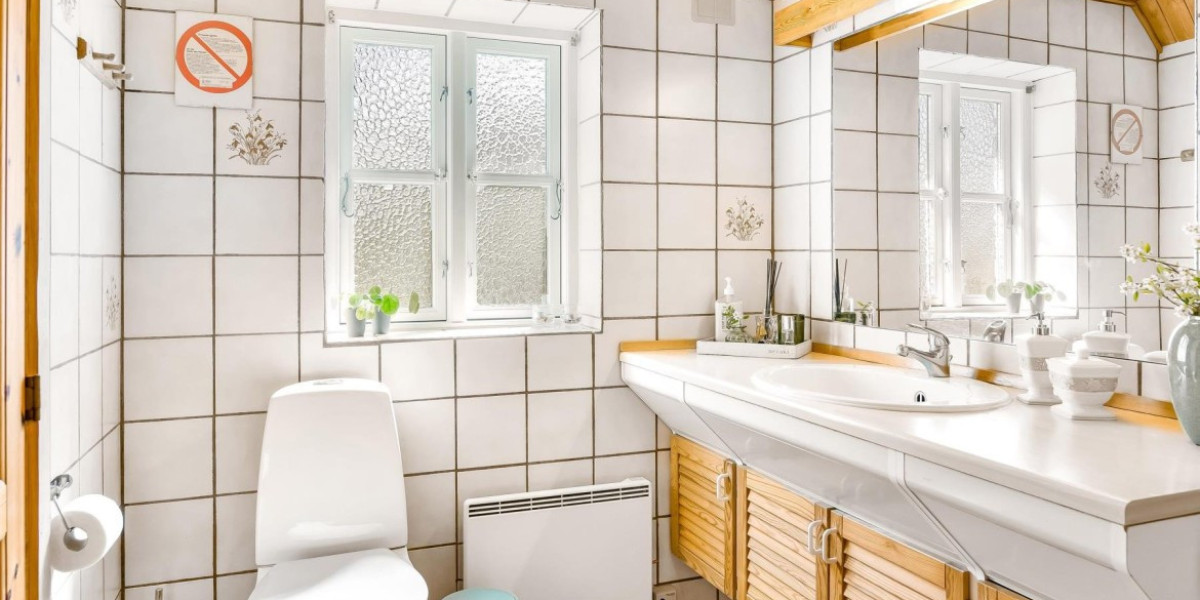

In this guide, we’ll walk you through a step-by-step DIY bathroom renovation process so you can confidently transform your bathroom into a stylish, functional space.
Step 1: Planning Your DIY Bathroom Renovation
Every great renovation begins with a plan. Before picking up any tools, map out your vision for the bathroom.
Set a budget: Decide how much you’re willing to spend. Allocate funds for tiles, fixtures, paint, lighting, and emergency expenses.
Design the layout: Keep plumbing in the same place if possible to save money. Moving plumbing lines is costly and complicated.
Choose a style: Whether you prefer modern, rustic, or minimalist, having a theme makes material selection easier.
Measure everything: Accurate measurements ensure you buy the right-sized vanity, shower enclosure, or bathtub.
Pro Tip: Use online bathroom design tools or sketch your ideas on graph paper to visualize the space.
Step 2: Gather Tools and Materials
Having the right tools at hand saves time and reduces frustration. For most bathroom renovations, you’ll need:
Safety gear (gloves, goggles, dust mask)
Hammer, pry bar, screwdriver set
Power drill and bits
Adjustable wrench and pliers
Utility knife and measuring tape
Level and chalk line
Tile cutter or wet saw
Caulk gun and spackling tools
Paintbrushes and rollers
As for materials, the list may include: tiles, grout, adhesive, vanity, sink, shower fixtures, toilet, paint, lighting fixtures, and waterproofing supplies.
Step 3: Demolition and Removal
Before you build, you must tear down. Demolition is messy but essential.
Turn off the water supply: Shut off valves for sinks, showers, and toilets to prevent flooding.
Remove fixtures: Start by disconnecting and removing the toilet, vanity, and sink.
Take down old tiles: Use a hammer and chisel to remove wall and floor tiles.
Pull out the bathtub or shower stall if replacing.
Dispose of debris responsibly: Rent a dumpster or take smaller loads to a recycling center.
Safety Note: Always wear protective gear. Be cautious of hidden electrical wiring behind walls.
Step 4: Plumbing and Electrical Work
Once the space is cleared, address plumbing and electrical needs.
Plumbing: If you’re keeping the layout, simply replace old pipes and fittings with updated ones. For major changes, like moving the shower, consult a professional unless you have plumbing experience.
Electrical: Install new outlets, lighting fixtures, or exhaust fans. Ensure outlets are GFCI (Ground Fault Circuit Interrupter) for safety in wet areas.
Pro Tip: Take pictures of plumbing and wiring before covering them with drywall for future reference.
Step 5: Walls, Flooring, and Waterproofing
Bathrooms require extra attention to moisture control.
Install backer board: Replace damaged drywall with cement board around shower and tub areas.
Waterproofing: Apply a waterproof membrane or liquid sealant to prevent mold growth.
Flooring: Choose durable, water-resistant flooring such as ceramic, porcelain, or vinyl tiles. Avoid hardwood since it warps with moisture.
Tiling walls: Use a level to keep lines straight. Apply thin-set mortar, place tiles carefully, and finish with grout.
Pro Tip: Start tiling from the center outward for a balanced look.
Step 6: Painting and Ceiling Work
Once walls and floors are complete, focus on painting.
Choose moisture-resistant paint designed for bathrooms.
Opt for lighter colors to make the bathroom look bigger and brighter.
Don’t forget the ceiling—apply mold-resistant paint here as well.
Step 7: Install Vanity, Sink, and Toilet
Now it’s time to bring functionality back to your bathroom.
Vanity and sink: Secure the vanity to the wall, connect plumbing, and caulk around edges to prevent water damage.
Toilet installation: Replace the wax ring before placing the toilet. Tighten bolts evenly to avoid cracks.
Shower or tub fixtures: Connect faucets, showerheads, and test for leaks.
Pro Tip: Always double-check seals and caulking to prevent future leaks.
Step 8: Lighting and Ventilation
Lighting and ventilation make a huge difference in both comfort and style.
Overhead lighting: Install bright but energy-efficient LED lights.
Task lighting: Add sconces or LED strips around the mirror for makeup and shaving.
Ventilation: Install or upgrade an exhaust fan to reduce humidity and prevent mold.
Step 9: Finishing Touches
Now comes the fun part—styling and accessorizing.
Add mirrors to reflect light and create space.
Use open shelving for towels and toiletries.
Incorporate decorative accents like plants, candles, and artwork.
Choose coordinating hardware such as towel bars, robe hooks, and drawer pulls.
Pro Tip: Keep décor minimal for a clean, spa-like vibe.
Step 10: Final Inspection and Cleanup
Before celebrating, ensure everything works perfectly:
Test water pressure and check for leaks.
Verify electrical outlets and lights are working.
Inspect grout lines and caulking for gaps.
Clean the space thoroughly, removing construction dust and debris.
Common Mistakes to Avoid in DIY Bathroom Renovation
Skipping waterproofing: Leads to costly water damage later.
Poor measurements: Always measure twice before cutting or buying fixtures.
Ignoring ventilation: Without it, mold will grow quickly.
Rushing the process: Take your time to achieve a professional finish.
Final Thoughts
A DIY bathroom renovation step by step may seem overwhelming at first, but breaking it into manageable stages makes it achievable. From planning and demolition to installation and finishing touches, each step contributes to creating a bathroom that is both beautiful and functional.
The satisfaction of stepping into a bathroom that you personally designed and built is unmatched. With the right tools, patience, and creativity, you can transform your old bathroom into a stylish retreat—all while saving money.
So, roll up your sleeves, grab your toolkit, and get ready to bring your dream bathroom to life!
Important Links
Is it Cheaper to Build a House Yourself or Hire a Contractor
Should I Choose Steel Framing Over Wood Framing for My New Home
Should I Invest in Eco-Friendly Construction Materials in 2025
How Do Remodelers Estimate Project Costs
What is the Difference Between Renovation and Remodeling
What Questions Should I Ask a Remodeler Before Hiring
How Do Remodelers Handle Unexpected Issues Like Plumbing or Wiring