
Imagine this: It's a stormy evening in a quaint suburban home. Sarah, a young homeowner, flicks the switch in her living room, expecting the warm glow of her lamp to chase away the shadows. But nothing happens. Frustrated, she checks the bulb, then the cord—everything seems fine. As thunder rumbles outside, she traces the issue back to the wall, where an old, faulty electrical connection stares back at her. Little did she know, this moment would spark her journey into understanding the essentials of home electrical systems. What she discovered was the crucial role of a wire outlet, that unassuming portal where electricity meets everyday life. This story isn't just Sarah's; it's a common tale for many, highlighting how mastering the basics of a wire outlet can transform confusion into confidence.
What is a Wire Outlet?
A wire outlet, often referred to in electrical contexts as the point where wires connect to provide power, is fundamentally an electrical receptacle or socket. It's the interface that allows devices to draw electricity from your home's wiring system. In simpler terms, it's where you plug in your appliances, chargers, and gadgets.
The Basics of Electrical Outlets
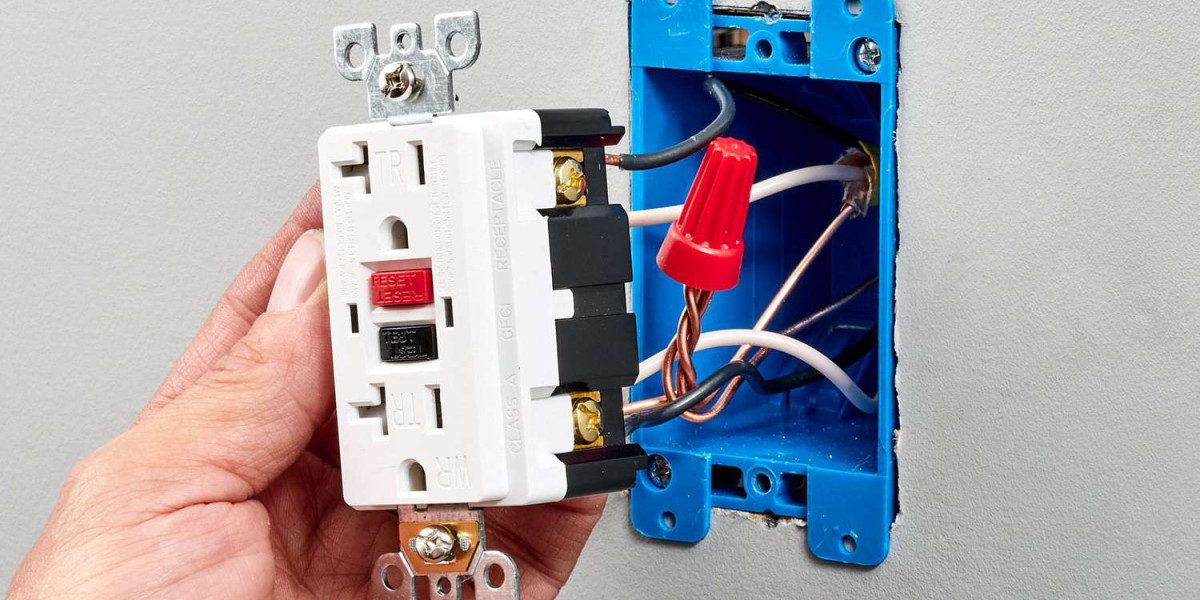
At its core, a wire outlet consists of slots for prongs, a grounding hole, and internal wiring connections. The standard setup includes a hot wire (usually black or red), a neutral wire (white), and a ground wire (green or bare copper). These components ensure safe and efficient power delivery. Understanding this anatomy is key for anyone looking to maintain or upgrade their home's electrical setup.
Why Wire Outlets Matter in Modern Homes
In today's tech-driven world, wire outlets are more than just convenience—they're safety necessities. Faulty outlets can lead to hazards like shocks or fires, making proper installation and maintenance vital. According to electrical safety guidelines, outlets should be inspected regularly to prevent issues.
Types of Wire Outlets
When it comes to selecting a wire outlet, variety abounds to suit different needs and environments. Knowing the types can help you choose the right one for your space.
Standard Duplex Receptacles
The most common type is the 15-amp duplex receptacle, featuring two outlets in one unit. These are ideal for general household use, supporting lamps, TVs, and small appliances. They come in tamper-resistant versions to prevent children from inserting objects.
GFCI and AFCI Outlets
Ground Fault Circuit Interrupter (GFCI) outlets are essential in wet areas like bathrooms and kitchens, as they detect imbalances and shut off power to prevent shocks. Arc Fault Circuit Interrupter (AFCI) outlets, on the other hand, protect against electrical arcs that could cause fires, commonly required in bedrooms.
Specialized Outlets: USB, Smart, and More
Modern innovations include USB-integrated outlets for direct device charging without adapters. Smart outlets allow remote control via apps, integrating with home automation systems. For heavy-duty needs, there are 20-amp outlets for appliances like refrigerators. Each type addresses specific power demands, enhancing functionality.
How to Install a Wire Outlet Safely
Installing a wire outlet might seem daunting, but with the right steps, it's manageable for DIY enthusiasts. Always prioritize safety by turning off power at the breaker.
Preparation and Tools Needed
Gather essentials: a voltage tester, wire strippers, screwdrivers, and the new outlet. Ensure the circuit is de-energized before starting. If you're running new wire, use nonmetallic (NM) cable appropriate for your home's amperage.
Step-by-Step Wiring Process
First, remove the old outlet by unscrewing it from the box. Strip about 3/4 inch of insulation from the wires. Connect the black hot wire to the brass screw, white neutral to silver, and ground to green. For daisy-chaining multiple outlets, use pigtails to connect wires securely. Tuck everything back into the box and secure the outlet.
Common Mistakes to Avoid
Avoid over-tightening screws, which can damage wires, or mixing wire gauges, which might cause overheating. If unsure, consult a professional electrician to comply with local codes.
Maintenance and Troubleshooting Wire Outlets
Regular upkeep ensures longevity. Test outlets monthly using a plug-in tester to check for proper wiring. Signs of trouble include buzzing sounds, discoloration, or loose plugs—address these promptly.
Upgrading for Energy Efficiency
Consider switching to energy-efficient models or adding surge protectors. This not only saves on bills but also protects devices from power spikes.
Conclusion
In wrapping up, the humble wire outlet stands as a cornerstone of home electrical systems, blending functionality with safety in our daily lives. From Sarah's stormy night discovery to your own potential projects, understanding and properly managing a wire outlet empowers homeowners to create reliable, hazard-free environments. Whether you're installing a new one or maintaining existing setups, remember that knowledge is the best tool. If electrical work feels overwhelming, professional help is always a wise choice—after all, a well-wired home is a happy one.