
High blood pressure, also known as hypertension, is often called the "silent killer"—and for good reason. It usually has no noticeable symptoms, yet it significantly increases your risk for heart disease, stroke, kidney damage, and other life-threatening conditions. This is why regular blood pressure screening is not just a routine checkup—it's a crucial step in protecting your heart and overall health.
In this blog, we’ll explore why consistent blood pressure screening matters, how it benefits heart health, who should get screened, and what to expect during the process.
What Is Blood Pressure and Why Does It Matter?
Blood pressure is the force of blood pushing against the walls of your arteries. It’s measured using two numbers:
Systolic pressure: The top number, showing the pressure when your heart beats.
Diastolic pressure: The bottom number, indicating the pressure when your heart is at rest between beats.
A normal reading is generally considered less than 120/80 mm Hg. When your blood pressure rises above this range, it means your heart is working harder than necessary to pump blood—this can damage your arteries and increase your risk of cardiovascular issues.
The Link Between Blood Pressure and Heart Health
The relationship between blood pressure and heart health is direct and profound. High blood pressure:
Forces your heart to work harder
Can lead to thickened or narrowed arteries
Increases the risk of heart attacks and heart failure
Affects the blood supply to vital organs like the brain and kidneys
With regular blood pressure screening, you can detect elevated levels early and take action before serious health problems develop.
Why Regular Blood Pressure Screening Is Critical
1. Detects Silent Symptoms Early
Most people with high blood pressure don't experience any symptoms until the damage is already done. By the time symptoms like headaches, vision problems, or chest pain appear, the condition might have progressed to a dangerous stage. Routine blood pressure screening allows for early detection and treatment—often before any noticeable symptoms arise.
2. Helps Prevent Heart Disease and Stroke
High blood pressure is one of the leading risk factors for cardiovascular disease and stroke. According to the American Heart Association, nearly half of American adults have high blood pressure, but only about 1 in 4 have it under control. Screening empowers individuals to manage their risk proactively, preventing long-term damage to the heart and arteries.
3. Monitors the Effectiveness of Lifestyle Changes or Medication
If you're already managing hypertension with lifestyle changes or medication, blood pressure screening helps track your progress. It enables your healthcare provider to adjust your treatment plan as needed and ensures that your blood pressure stays within a healthy range.
4. Supports Overall Wellness and Chronic Disease Management
High blood pressure often coexists with other health problems like diabetes, obesity, and kidney disease. Regular screenings can uncover patterns and connections between these conditions, supporting a more holistic and preventive approach to healthcare.
Who Should Get Regular Blood Pressure Screening?
Everyone over the age of 18 should get their blood pressure checked at least once every two years if readings are normal. However, more frequent blood pressure screening may be necessary if you:
Are over the age of 40
Have a family history of hypertension or heart disease
Smoke or consume excessive alcohol
Are overweight or obese
Have diabetes or high cholesterol
Lead a sedentary lifestyle
Are under high stress
In general, adults with elevated or high blood pressure should have screenings at least once a year, or as advised by their healthcare provider.
What Happens During a Blood Pressure Screening?
A blood pressure screening is a quick and painless procedure that typically takes just a few minutes. Here's what to expect:
Preparation: You’ll sit comfortably with your arm supported at heart level. Avoid caffeine or exercise 30 minutes before the test for the most accurate reading.
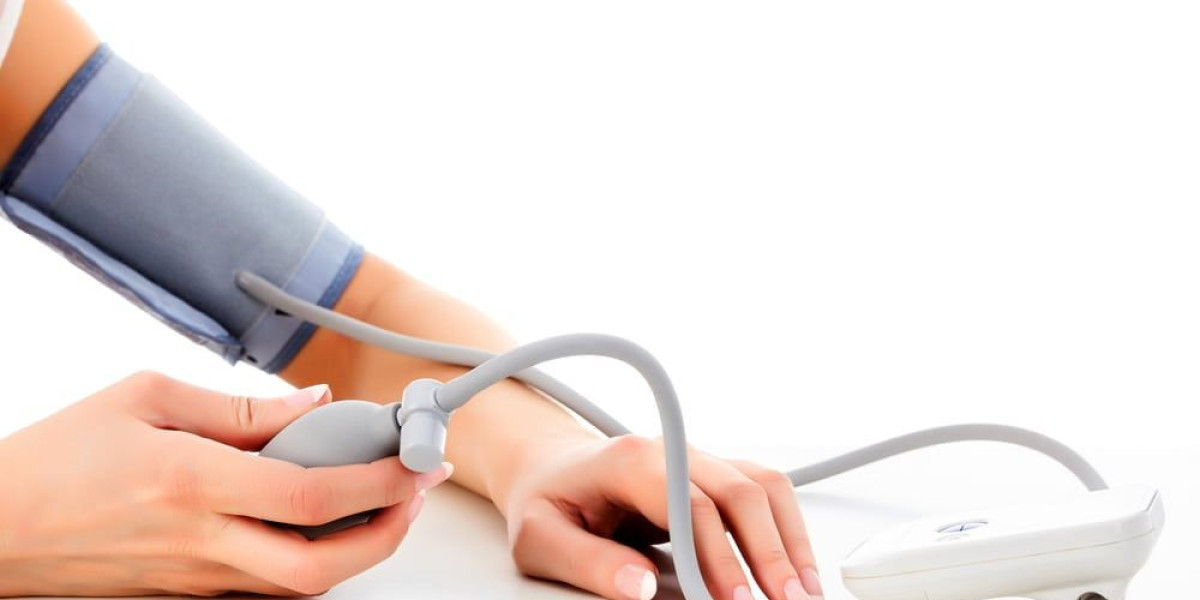
Measurement: A cuff is placed around your upper arm and inflated to temporarily stop blood flow. As it deflates, the device measures the pressure in your arteries.
Results: Your provider will give you a reading and explain what it means. A single high reading doesn’t confirm hypertension, but it may lead to further monitoring or testing.
How to Track Your Blood Pressure at Home
In addition to in-office blood pressure screening, home monitoring can provide valuable insight, especially if you have risk factors for hypertension. Follow these tips:
Use a validated, automatic cuff monitor
Take readings at the same time each day
Sit quietly for 5 minutes before measuring
Record readings in a journal or digital tracker
Still, home readings should supplement—not replace—professional screening and medical guidance.
Tips to Keep Your Blood Pressure in Check
If your blood pressure screening reveals elevated numbers, don’t panic. Hypertension can be managed with the right steps:
Eat a heart-healthy diet: Focus on fruits, vegetables, lean proteins, whole grains, and reduce salt intake.
Exercise regularly: Aim for at least 30 minutes of moderate activity most days.
Manage stress: Practice relaxation techniques like deep breathing, meditation, or yoga.
Limit alcohol and avoid smoking
Take medication as prescribed
Follow up with regular screenings to monitor progress and adjust treatment if necessary
The Bottom Line
Blood pressure screening is a simple yet powerful tool in the fight against heart disease. By detecting hypertension early, it opens the door to effective prevention and timely intervention. Whether you’re young and healthy or managing chronic conditions, regular blood pressure checks can make a significant difference in your long-term well-being.
If it’s been a while since your last screening—or if you’ve never had one—it’s time to schedule an appointment with your healthcare provider. Your heart will thank you.
Book Your Blood Pressure Screening Today
Taking control of your heart health starts with awareness. If you're in NYC and need a reliable place for blood pressure screening, visit our clinic for accurate readings, expert guidance, and a personalized plan to keep your heart healthy.
Frequently Asked Questions (FAQs)
How often should I get a blood pressure screening?
If your blood pressure is normal, you should be screened at least once every 2 years. If elevated, screenings should occur annually or more frequently based on your doctor's advice.
Can I rely on home monitoring alone?
Home monitors are helpful, but they should not replace professional evaluations. Regular check-ins with a healthcare provider ensure accurate readings and proper treatment.
What is considered a normal blood pressure?
A normal reading is typically less than 120/80 mm Hg. Readings above this may indicate elevated blood pressure or hypertension.