
Spiti Valley is not just a destination—it’s an experience that stays with you long after you’ve returned. Located high in the Trans-Himalayan region of Himachal Pradesh, Spiti offers a world of barren mountains, crystal-clear rivers, ancient monasteries, and star-studded night skies. But traveling to this remote wonderland is not as simple as planning a weekend getaway. Its high altitude, harsh weather, and limited accessibility make it essential to understand the best season to visit Spiti Valley before you set off on your adventure.
The valley changes its mood with each season. Summers open its gates to bikers and road trippers, autumn paints the fields golden, monsoons add a touch of unpredictability, and winters turn Spiti into a frozen land of survival and silence. Every traveler has a different idea of what makes Spiti magical, and the season you choose will define the story you bring back home.
Why Timing Matters for a Spiti Trip
Unlike other tourist destinations that welcome visitors all year round, Spiti demands respect for its extreme geography and climate. Choosing when to go isn’t just about convenience—it shapes the experiences you’ll have.
Accessibility: Roads open and close with snowfall, deciding how you enter or exit the valley.
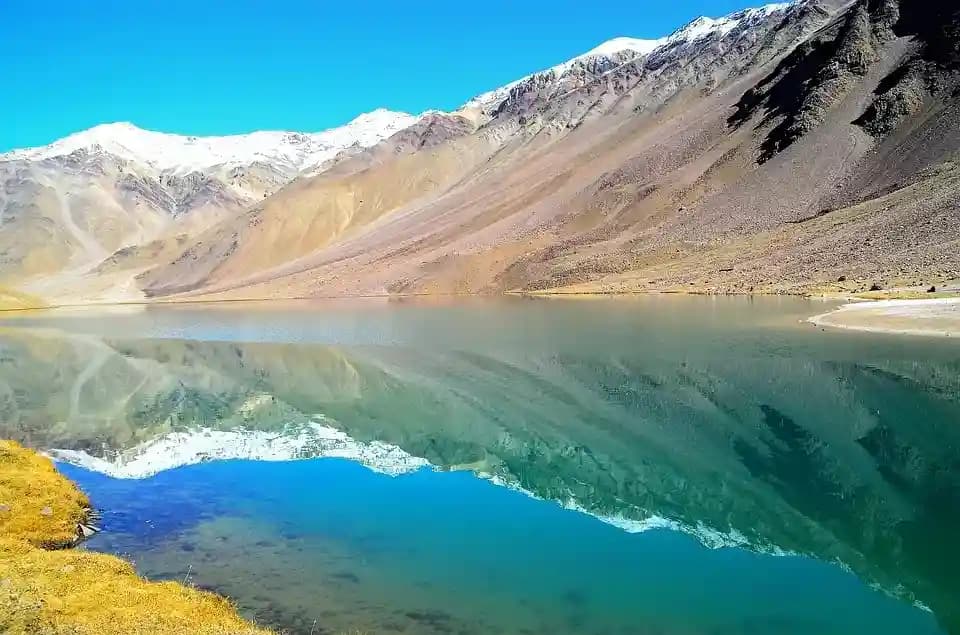
Experiences: Some attractions like Chandratal Lake are open only in certain months.
Weather: The difference between a comfortable summer night and a bone-chilling winter evening can be over 30 degrees.
Festivals & Culture: Many of Spiti’s monastery festivals are tied to specific times of the year.
Understanding the seasons is the key to unlocking the kind of journey you want to create.
Summer in Spiti (May – July): The Gateway Season
What Summer Brings
Summer is when Spiti shakes off its long winter slumber and welcomes travelers with open arms. By late May, snow begins to melt, clearing the Manali–Kaza route via Rohtang and Kunzum Pass. The Shimla–Kaza route, usually open earlier, becomes safer and smoother to travel.
Temperature: Daytime between 15°C and 25°C, nights still chilly.
Accessibility: Both routes open, allowing a complete Spiti circuit trip.
Vibe: Energetic, buzzing with bikers, campers, and first-time travelers.
Experiences to Look Forward To
Camping under dazzling skies at Chandratal Lake, accessible only in summer.
Exploring monasteries like Key and Dhankar, alive with summer rituals.
Road trips through winding Himalayan passes, often considered bucket-list-worthy.
Trekking trails open, offering adventure for outdoor enthusiasts.
Who Should Travel in Summer?
First-time visitors who want easier access.
Families seeking comfortable weather.
Adventure seekers who want trekking, camping, and biking opportunities.
Summer is undoubtedly the most popular season for Spiti—and with good reason.
Monsoon in Spiti (Late July – September): The Season of Drama
Monsoon Mystique
Though Spiti lies in a rain-shadow region and receives minimal rainfall, the approach roads from Kinnaur and Manali often experience landslides during monsoons. This makes the journey unpredictable but also incredibly rewarding for those who brave it.
Temperature: 10°C–20°C, pleasant but with sudden chills.
Accessibility: Shimla route generally safer; Manali route risky during heavy rain.
Vibe: Quiet, raw, and free from the summer tourist rush.
Why Choose Monsoon?
Sparse crowds—enjoy monasteries, villages, and landscapes in peace.
Dramatic skies perfect for photography.
Budget-friendly stays as homestays lower their prices.
Challenges
Roadblocks and travel delays are common.
Needs flexibility and patience.
Ideal for…
Photographers, solitude seekers, and offbeat travelers who prefer untamed beauty over predictable comfort.
Autumn in Spiti (Late September – October): The Photographer’s Paradise
The Golden Season
Autumn is one of the most underrated times to visit Spiti Valley. The summer crowds vanish, the skies turn a deep shade of blue, and the valley gets dressed in hues of gold as harvest season begins.
Temperature: Day 8°C–15°C, nights often drop below freezing.
Accessibility: Roads remain open until mid-October; snowfall may start later.
Vibe: Peaceful, colorful, and crisp.
Experiences Not to Miss
Photographing golden fields with snow-capped backdrops.
Experiencing village life as locals prepare for long winters.
Trekking in cooler, clearer weather.
Who Should Travel in Autumn?
Photographers seeking perfect light.
Couples and slow travelers who want serenity.
Cultural enthusiasts looking to connect with locals during harvest rituals.
Winter in Spiti (November – April): The Extreme Adventure
Winter Wonderland
Winter is both the harshest and the most magical season in Spiti Valley. Manali route closes entirely, leaving Shimla as the only lifeline to the valley. Snow covers everything in sight, and temperatures can dip as low as –20°C.
Temperature: –5°C to –20°C.
Accessibility: Extremely limited, risky travel.
Vibe: Silent, remote, and surreal.
Experiences in Winter
Snow Leopard Expeditions: Spiti is one of the best places in India to spot this elusive predator.
Cultural immersion—spend nights in traditional homestays, share warmth by a fire, and taste local winter delicacies.
Witness landscapes blanketed in untouched snow, offering breathtaking views.
Challenges
Extremely cold and not for casual travelers.
Limited medical help and basic facilities.
Risk of road closures that can last weeks.
Who Should Visit in Winter?
Hardcore adventurers.
Wildlife enthusiasts.
Travelers looking for a once-in-a-lifetime Himalayan test.
Comparing All Seasons of Spiti Valley
Summer (May–July) → Comfortable, accessible, best for first-timers.
Monsoon (July–Sept) → Adventurous, unpredictable, but rewarding.
Autumn (Sept–Oct) → Peaceful, golden, perfect for photography.
Winter (Nov–Apr) → Harsh yet breathtaking, ideal for extreme adventurers.
Each season in Spiti is unique. Your choice depends on whether you prefer convenience, solitude, culture, or raw adventure.
Practical Tips for Every Season
Acclimatization is Key: Don’t rush—give your body time to adjust to the altitude.
Pack Smart: Even summer needs jackets; winters demand serious gear.
Plan with Flexibility: Weather in Spiti can change plans in minutes.
Stay Local: Homestays offer authentic hospitality and help sustain communities.
Travel Responsibly: Avoid plastic, respect monasteries, and leave no trace.
Suggested Read
To plan your journey better, don’t miss our detailed guide on [things to do in Spiti Valley], where we explore monasteries, treks, villages, and unique adventures that add magic to your trip.
Final Conclusion:
Spiti Valley isn’t just about places—it’s about moments. Each season paints a different canvas: summer makes the valley welcoming, monsoon makes it wild, autumn makes it soulful, and winter turns it into a land of endurance. The ideal time to visit Spiti Valley depends on what you’re chasing—comfort, solitude, culture, or adventure.
If your dream is to sit by Chandratal under a sky full of stars, summer is your season. If you long for quiet walks through golden fields, autumn is calling. If you want to test your limits in snow-bound villages, winter awaits.
Choose wisely, for in Spiti, the season you travel defines the story you’ll carry home.