
Breathing fresh air is vital for a healthy life, yet many homes struggle to provide the clean, filtered air we need. Enter the HRV System—a game-changer in indoor air quality and energy efficiency. Imagine a system that not only saves you money on heating and cooling but also ensures your living space is filled with fresh oxygen while removing stale air. Sounds too good to be true? It’s not! With HRVs becoming more popular among homeowners, it’s time to explore how these systems work, their benefits, and why they might just be what your home needs for a healthier atmosphere.
What Is a Heat-Recovery Ventilation (HRV) System?
A Heat-Recovery Ventilation (HRV) system is designed to enhance indoor air quality while maximizing energy efficiency. It works by transferring heat between the incoming and outgoing air streams, ensuring that fresh outdoor air is pre-conditioned before entering your living space. When stale air exits your home, it carries warmth with it. An HRV captures this heat and uses it to warm up the incoming cold air during winter months. Conversely, in summer, it can cool down warm incoming air using cool exhaust airflow.
This process not only helps maintain a comfortable temperature but also reduces energy consumption needed for heating or cooling—making HRVs an appealing option for eco-conscious homeowners looking to improve their environment without sacrificing comfort.
How Heat-Recovery Ventilation Systems Work
Heat-Recovery Ventilation (HRV) systems operate on a simple yet effective principle. They draw in fresh outdoor air while simultaneously expelling stale indoor air. This exchange occurs without mixing the two air streams, thanks to a heat exchanger. When the warm indoor air leaves your home, it passes through this exchanger. Here, it transfers its heat to the incoming cool outdoor air. As a result, the fresh air warms up before entering your living space.
This process not only maintains comfortable temperatures but also enhances energy efficiency. By pre-warming incoming air during colder months or cooling it when it's hot outside, HRV-Systems help reduce heating and cooling costs. Moreover, these systems often include filters that trap dust and allergens from both incoming and outgoing airflow. The outcome is healthier indoor environments with improved overall comfort year-round.
Energy Savings with Heat-Recovery Ventilation
Energy efficiency is a priority for many homeowners and businesses. A Heat-Recovery Ventilation (HRV) system can play a significant role in achieving that goal. By efficiently transferring heat between incoming and outgoing air, HRVs reduce the need for additional heating or cooling. This means less energy consumption overall.
In colder months, warm indoor air is used to preheat incoming cold air. During summer, it works in reverse, helping cool down fresh air before it enters your space. This balanced approach not only minimizes energy costs but also enhances comfort levels inside your home or office. Less reliance on HVAC systems translates to lower utility bills and reduced wear on equipment. Moreover, investing in an HRV-System can qualify you for various energy-saving incentives and rebates—making it even more attractive financially over time.
Improving Indoor Air Quality With HRV-Systems
Indoor air quality can significantly impact your health and well-being. A Heat-Recovery Ventilation (HRV) system plays a vital role in enhancing this aspect of your living environment. By continuously exchanging stale indoor air with fresh outdoor air, HRVs help reduce pollutants and allergens. These systems filter incoming air, removing dust, pollen, and other irritants before they enter your home.
Moreover, maintaining consistent humidity levels is crucial for comfort. HRVs balance moisture by transferring excess humidity from the inside to the outside without losing heat energy. This results in a fresher atmosphere while minimizing mold growth. The use of an HRV ensures that you breathe cleaner air each day. Improved ventilation leads to fewer respiratory issues and enhances overall quality of life at home or in commercial spaces.
Health Advantages of Fresh, Filtered Air
Fresh, filtered air is a game-changer for health and well-being. When indoor air quality improves, so does our overall comfort and vitality. Breathing clean air reduces the risk of respiratory issues. Dust, allergens, and pollutants can trigger asthma or allergies, making it hard to breathe comfortably. An HRV-System captures these irritants before they circulate in your home.
Moreover, fresh air boosts mental clarity and mood. It enhances cognitive functions by providing oxygen-rich environments critical for brain health. Additionally, filtered air supports better sleep patterns. Quality airflow regulates humidity levels while eliminating unpleasant odors that disrupt tranquility at night. Embracing filtered fresh air not only encourages a healthier lifestyle but also nurtures an environment conducive to relaxation and productivity. The benefits extend beyond physical wellness into emotional resilience as well.
HRV Vs. Traditional Ventilation Systems
Heat-Recovery Ventilation (HRV) systems bring a fresh perspective to indoor air management. Unlike traditional ventilation, which often relies on simply exchanging stale air with outdoor air, HRVs recover energy from outgoing air and use it to pre-condition incoming fresh air. This process maximizes energy efficiency. Traditional systems can lead to significant heat loss during winter months or excessive cooling in summer. In contrast, HRVs maintain a consistent indoor climate while reducing utility bills.
Not only do HRVs enhance comfort levels, but they also significantly improve indoor air quality by filtering pollutants and allergens. While traditional systems may circulate old air filled with dust and mold spores, an HRV-System continuously provides clean, filtered airflow. Choosing between these two options depends on your specific needs. If you're seeking efficiency and healthier living conditions, the benefits of an HRV-System stand out remarkably against conventional methods.
Components Of a Heat-Recovery Ventilation System
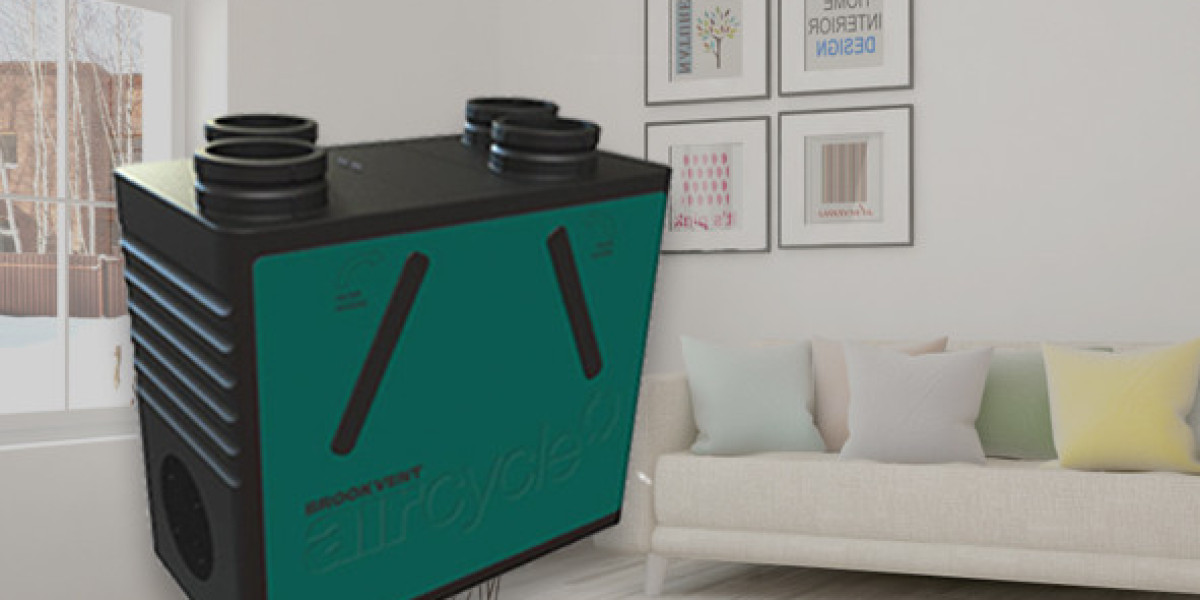
A Heat-Recovery Ventilation (HRV) system consists of several key components that work together to ensure efficient air exchange. The heart of the system is the heat exchanger, which transfers heat from outgoing stale air to incoming fresh air without mixing them. Ductwork plays a vital role in directing airflow throughout your home. It connects various rooms to the main unit, ensuring even distribution and optimal performance. Fans are also essential; they move both stale and fresh air through the system effectively.
Filters are crucial for maintaining indoor air quality. They capture dust, allergens, and pollutants before they circulate in your living spaces. Some systems may include additional features like humidity sensors or controls to balance comfort levels based on changing conditions. An effective HRV-System integrates all these elements seamlessly, creating a comfortable environment while maximizing energy efficiency.
HRV Price: Cost of Heat-Recovery Ventilation Systems & Installation
The HRV Price can vary significantly based on several factors. On average, homeowners may expect to spend anywhere from $1,500 to $5,000 for the unit itself. This range often reflects the brand, efficiency rating, and features included. Installation costs add another layer to the total expense. Hiring professionals typically ranges from $500 to $2,000 depending on your home's complexity and layout. It’s crucial to consider existing ductwork; retrofitting can increase labor costs substantially.
While initial investment might seem steep, many find that energy savings quickly offset expenses over time. An HRV-System improves air quality while being energy-efficient—creating a healthier living environment without breaking the bank in utility bills. Investing in an HRV not only enhances comfort but also contributes positively toward long-term financial savings and environmental sustainability.
Easy Maintenance Tips for Long-Lasting HRVs
Keeping your Heat-Recovery Ventilation System in top shape doesn’t have to be a chore. Regular maintenance is key to ensuring it operates efficiently and lasts longer. Start by checking the filters every few months. Clean or replace them as needed, especially if you live in dusty areas. A clean filter means better airflow and improved indoor air quality.
Next, inspect the ductwork for any signs of leaks or blockages. Sealing gaps can enhance efficiency significantly, reducing energy costs over time. Don't forget about the heat exchanger; it needs occasional cleaning too. Dust buildup can hinder its performance, so give it some attention during routine check-ups. Schedule an annual professional inspection. Experts can identify potential issues before they become significant problems, keeping your HRV running smoothly year-round.
Eco-Friendly Living with Energy-Efficient HRV-Systems
Embracing an eco-friendly lifestyle starts with the choices we make for our homes. Heat-Recovery Ventilation (HRV) systems stand out as a sustainable solution that benefits both the environment and your well-being. These systems efficiently transfer heat between incoming and outgoing air. This means you can enjoy fresh, filtered air without wasting energy on heating or cooling. By reducing reliance on traditional HVAC methods, HRVs help lower carbon footprints.
Moreover, using an HRV promotes better indoor air quality by continuously exchanging stale air with fresh outside air while minimizing energy loss. This not only enhances comfort but also supports healthier living environments. Investing in energy-efficient HRV-Systems contributes to reduced utility bills too. It's a win-win situation—sustainability meets affordability while enhancing your home’s atmosphere. Choosing this technology is a step towards making responsible decisions for yourself and the planet.
Commercial Applications of Heat-Recovery Ventilation
Heat-recovery ventilation systems find extensive applications in commercial settings, enhancing energy efficiency while ensuring optimal indoor air quality. These systems are particularly valuable in office buildings, where a constant supply of fresh air is crucial for occupant comfort and productivity. In environments like schools and hospitals, HRVs help regulate temperature and humidity levels. This regulation supports better health outcomes by reducing airborne contaminants.
Restaurants can also benefit significantly from HRV technology. By managing kitchen exhaust efficiently, they maintain a pleasant dining atmosphere without sacrificing energy costs. Moreover, warehouses often utilize heat-recovery ventilation to control climate conditions for sensitive goods while minimizing heating or cooling expenses. The versatility of HRVs makes them an excellent choice across various industries looking to improve air quality while conserving energy resources effectively.
Choosing The Right HRV-System for Your Property
Selecting the right Heat-Recovery Ventilation (HRV) system for your property requires careful consideration of several factors. First, assess your space's size and layout. A larger home may need a more robust system to ensure adequate air exchange. Next, consider the climate in your area. Some HRV-Systems are designed specifically for colder climates, while others work better in milder conditions. This can affect efficiency and performance.
Also, evaluate energy efficiency ratings. Look for models with high-efficiency ratings to maximize savings on energy bills. Don’t forget about noise levels; some systems operate quietly while others may be louder than desired. Choose a unit that fits your comfort level regarding sound. Think about maintenance requirements. Opting for a user-friendly model can save you time and effort down the line. Making thoughtful choices here will lead to improved indoor air quality and overall satisfaction with your investment.
Conclusion
A HRV System is more than just a piece of equipment. It represents a shift toward smarter, healthier living environments. The benefits are clear: enhanced air quality, energy savings, and improved comfort levels. As homes become tighter with better insulation, the need for fresh air becomes even more critical. Investing in an HRV-System not only supports your well-being but also contributes to eco-friendly practices. Each breath of filtered air makes a difference.
FAQs
What is the primary function of a HRV System?
The main purpose of an HRV System is to exchange stale indoor air with fresh outdoor air while recovering heat from the outgoing air. This process helps maintain comfortable indoor temperatures without wasting energy.
Can I install an HRV-System myself?
While some homeowners may attempt DIY installations, it’s generally recommended to hire a professional for optimal performance and safety. Proper installation ensures that the system operates efficiently and effectively.
How often should I maintain my HRV-System?
Regular maintenance is key to keeping your HRV in top shape. Ideally, you should check filters every few months and clean or replace them as needed. Professional servicing at least once a year can help identify potential issues early on.
Are their specific properties that benefit most from an HRV-System?
HRVs are particularly beneficial in tightly sealed buildings where natural ventilation isn’t sufficient. Homes that have undergone significant upgrades for energy efficiency will also see substantial benefits from integrating an HRV-System into their design.
Related Business Listings |