
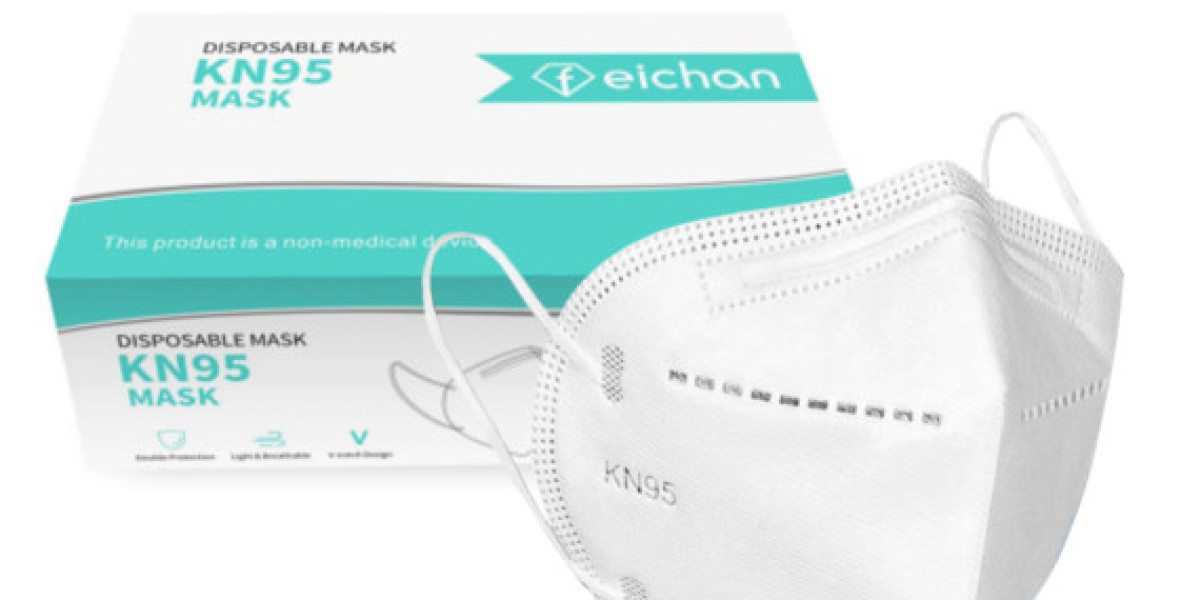

As the world continues to navigate through health challenges, wearing a mask has become an essential part of our daily lives. With various options available, one mask that stands out is the KN95 mask. But what sets it apart from others? It’s more than just a piece of fabric; it's a powerful tool designed for protection and safety. Many people overlook the critical features that make the KN95 mask effective in safeguarding against airborne particles. From its filtration capabilities to its fit and comfort, selecting the right KN95 face mask can significantly impact your well-being. In this article, we’ll dive deep into why choosing a high-quality KN95 mask not only protects you but also addresses common misconceptions surrounding its use.
Understanding the Purpose of KN95 Masks
KN95 masks are designed to provide a high level of filtration against airborne particles, making them essential in various environments. They play a crucial role in protecting wearers from inhaling harmful pathogens and pollutants, especially during health crises like pandemics.
Unlike standard cloth masks, KN95 masks feature advanced technology that can filter out at least 95% of very small (0.3 micron) test particles. This efficiency is vital for healthcare workers and individuals exposed to crowded places where the risk of transmission is higher.
Understanding the purpose behind these masks extends beyond personal safety; it also contributes to community health. When more people wear effective protective gear, such as KN95s, the overall spread of contagious diseases can slow down significantly, benefiting everyone around us.
Key Filtration Features That Ensure Protection
The key to effective protection with a KN95 mask lies in its advanced filtration features. These masks are designed to filter out at least 95% of airborne particles, including dust, allergens, and pathogens. This high level of filtration is crucial for reducing the risk of respiratory infections.
A multi-layer construction further enhances this capability. Typically made up of several layers, these masks trap harmful particles while allowing for easier breathing. The inner layer often functions as a moisture-wicking material, keeping you comfortable during extended use.
Electrostatic charging technology is another essential feature. It helps attract and capture even smaller particles that might otherwise bypass traditional filters. This combination ensures that when you wear a KN95 mask, you're not just wearing any face covering—you're donning one engineered for optimal safety and protection against unseen threats.
Proper Fit and Seal for Maximum Effectiveness
A proper fit is essential when wearing a KN95 mask. If the mask doesn’t fit snugly on your face, airborne particles can easily sneak in through gaps. This defeats the purpose of having high-quality filtration.
To achieve an effective seal, adjust the nose piece to shape it around your nose and cheeks. Ensure there are no bulges or gaps between your skin and the edges of the mask. A tight fit enhances protection by minimising leakage, which is crucial for safeguarding against harmful pathogens.
Remember to conduct a simple fit check before stepping out. Inhale sharply; if you feel air leaking from any part of the mask, adjust it until you achieve a secure fit. Ensuring a good seal not only boosts safety but also provides peace of mind while navigating through crowded spaces or uncertain environments.
Materials That Influence Comfort and Breathability
The materials used in a KN95 mask greatly affect both comfort and breathability. High-quality non-woven fabric is commonly utilised, which provides effective filtration while remaining lightweight. This balance ensures that you can wear the mask for extended periods without feeling weighed down.
Another crucial aspect of material choice is moisture-wicking properties. Masks designed with this feature help manage humidity and prevent sweat buildup inside the mask, making them more comfortable during hot weather or vigorous activities. The right fabrics enhance your overall experience, allowing for easier breathing even when fully secured.
Additionally, softness matters. A mask that feels rough against your skin can lead to irritation over time. Choosing a KN95 mask with softer inner layers significantly enhances comfort levels, encouraging consistent use without discomfort or distractions throughout the day.
Reusability and Maintenance Considerations
When considering a KN95 mask, reusability is an important factor. Unlike standard disposable masks, many KN95 models can be reused under specific conditions. This feature makes them not only cost-effective but also environmentally friendly, provided they are maintained properly.
To ensure the longevity of your KN95 mask, proper handling and storage are essential. After use, store the mask in a clean paper bag to prevent contamination. Avoid folding or crushing it to maintain its shape and filtration efficacy.
Cleaning practices for KN95 masks vary by manufacturer; therefore, always check the guidelines before attempting any maintenance. Generally, they should not be washed; however, you can leave them in a well-ventilated area for at least 72 hours between uses to allow any potential pathogens to die off naturally. Keeping these considerations in mind will help maximise both safety and value from your KN95 mask.
Comparing the KN95 face mask to Other Protective Masks
When it comes to protective masks, not all are created equal. KN95 face mask offer a higher filtration efficiency compared to standard cloth or surgical masks. Their ability to filter out at least 95% of airborne particles makes them a popular choice for those seeking enhanced protection.
Surgical masks provide basic protection against large droplets and splashes but fall short in filtering smaller particles. They also lack the snug fit that is essential for optimal performance. In contrast, KN95s create a tighter seal around the face, ensuring fewer gaps where unfiltered air can enter.
Cloth masks vary widely in terms of fabric and design, often offering minimal filtration effectiveness unless they are used properly and layered correctly. While they may be suitable for casual settings, they can't match the reliability of KN95s when it comes to serious exposure risks in crowded places or healthcare environments.
Situations Where KN95 Masks Offer Superior Safety
In crowded public spaces, KN95 masks shine by providing superior protection. Whether you’re on a busy subway or attending a large event, these masks effectively filter out airborne particles. They help reduce the risk of inhaling viruses and bacteria that spread easily in close quarters.
Healthcare settings present another scenario where KN95 masks are essential. Medical professionals frequently encounter patients with contagious illnesses. Wearing an effective mask not only protects them but also safeguards those they care for from potential exposure.
Outdoor activities can also pose risks, especially during high-pollution days or allergy seasons. When pollen counts soar or smog blankets urban areas, wearing a KN95 mask can significantly improve your breathing experience while keeping harmful particles at bay. It’s an easy way to enhance safety without sacrificing comfort.
Compliance with Health and Safety Standards
When choosing a KN95 mask, compliance with health and safety standards is paramount. These masks must meet specific regulatory requirements to ensure they provide the intended level of protection. Look for masks that are certified by relevant authorities, such as the FDA or NIOSH, which indicates rigorous testing and quality control.
Compliance means these masks can filter at least 95% of airborne particles. This makes them effective against harmful viruses, bacteria, and air pollutants. A compliant KN95 mask provides peace of mind knowing you’re using a product designed to keep you safe.
Moreover, manufacturers are required to adhere to strict guidelines during the production process. This ensures consistency in performance across different batches. By selecting compliant KN95 masks, you're prioritising your health while contributing positively to public safety efforts as well.
Common Mistakes People Make When Using Masks
Many people underestimate the importance of washing their hands before putting on a KN95 mask. This simple step can prevent the transfer of germs from your fingers to the mask, thereby reducing its effectiveness in filtering out harmful particles. Always make it a habit to sanitise first.
Another common mistake is touching the front of the mask while adjusting or removing it. The exterior may be contaminated, and any contact can transfer those pathogens directly to your face. Instead, handle masks by the ear loops or straps for safer usage.
Wearing a KN95 mask improperly is also prevalent; gaps between the face and edges compromise filtration efficiency. A secure fit ensures that air passes through the filter rather than around it, maximising protection against airborne threats. Taking the time to achieve a perfect seal makes all the difference in ensuring safety during use.
Long-Term Health Benefits of Consistent Use
Consistent use of a KN95 mask can lead to significant long-term health benefits. By effectively filtering out harmful particles, these masks reduce the risk of respiratory illnesses and infections. This is especially vital in crowded environments where airborne pathogens thrive.
Wearing a KN95 mask regularly helps your immune system maintain its strength. Fewer exposures to viruses mean fewer chances for illness, allowing your body to focus on staying healthy rather than fighting off constant infections. It also promotes overall respiratory health by minimising exposure to allergens and pollutants.
Additionally, developing the habit of using high-quality masks encourages mindfulness about personal safety and hygiene. This proactive approach not only protects you but also contributes to community well-being by reducing transmission rates during outbreaks or pandemics. Making it part of your routine fosters a culture of care that benefits everyone around you.
Conclusion
Choosing the right KN95 face mask is crucial for optimal protection against airborne particles. Understanding its features, from filtration efficiency to proper fit, can make a significant difference in safeguarding your health. Investing time in selecting a quality mask pays off. It not only enhances your safety but also ensures comfort during prolonged use. This balance is essential for maintaining consistency in protective measures. As we navigate through various environments, recognising the importance of compliance with health standards cannot be overstated. The right KN95 mask empowers you to take control of your well-being while making a positive contribution to public health efforts.
FAQs
What is a KN95 face mask?
A KN95 face mask is a type of respirator that filters out at least 95% of airborne particles, including large respiratory droplets. It’s designed to provide enhanced protection compared to standard cloth masks.
Are KN95 masks reusable?
While some KN95 masks are designed for limited reuse, their effectiveness can diminish over time. It's essential to follow manufacturer guidelines on reusability and ensure proper cleaning when applicable.
How does my KN95 mask fit correctly?
To check the fit, place the mask over your face and adjust it until there are no gaps between your skin and the mask edges. A good seal ensures maximum filtration efficiency.
Can children wear KN95 masks?
Yes, but it's crucial to find masks that are appropriately sized for children. Adult-sized KN95s may not fit properly on smaller faces, compromising safety.
Do all KN95 masks meet health standards?
Not all manufacturers comply with stringent health regulations. Always look for certification marks from reputable sources, such as NIOSH or equivalent organisations in your region, before purchasing a KN95 mask.
Related Business Listings |