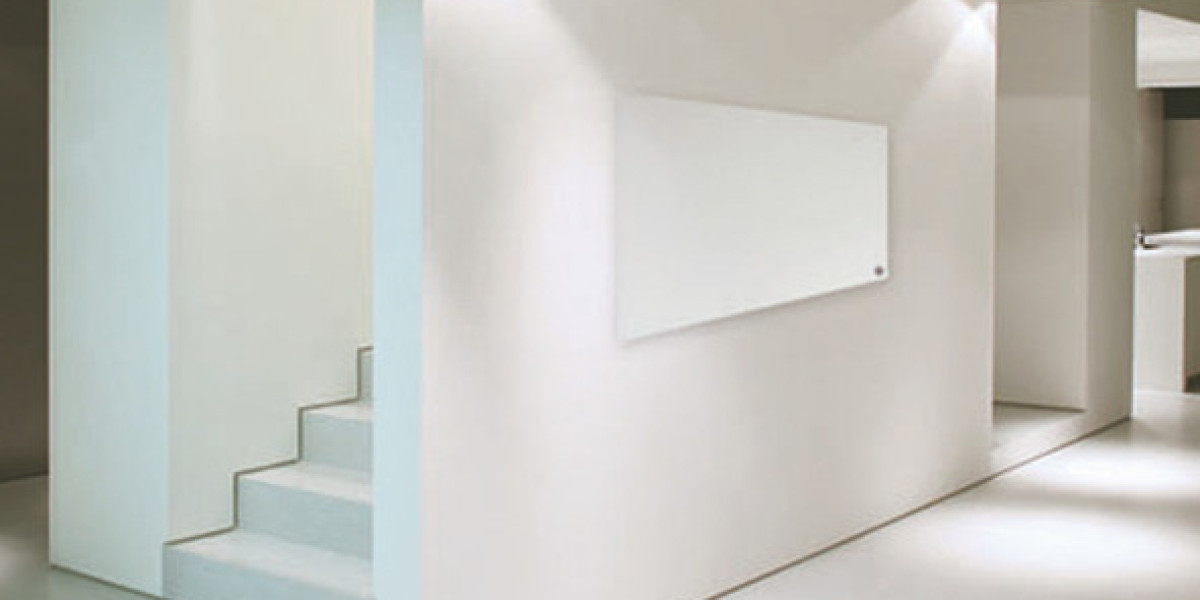

Infrared heaters have transformed the way outdoor spaces are enjoyed, allowing individuals to remain comfortable even during cooler weather. Outdoor infrared heater utilise advanced infrared technology to provide targeted warmth, making them an efficient choice for heating outdoor areas. They are particularly suited to spaces such as patios, terraces, and gardens, where maintaining a cosy atmosphere is desirable without the need to rely on traditional heating methods.
Functionality with Sleek Aesthetics
Their design often combines functionality with sleek aesthetics, ensuring they can complement a variety of outdoor settings. The infrared heating mechanism offers a practical solution by warming surfaces and individuals directly, as opposed to inefficiently heating the surrounding air. This capability makes them ideal for outdoor environments where maintaining consistent warmth can otherwise be challenging.
Another appealing aspect of these heaters is their adaptability. Available in various designs, they cater to different preferences and spatial requirements, from compact, wall-mounted models to larger freestanding units. This variety allows for seamless integration into outdoor areas, regardless of size or layout. With energy efficiency at the forefront of their operation, infrared heaters present a modern heating option for those seeking practicality and performance.
How Infrared heaters Work?
Infrared heaters operate by emitting infrared radiation, a form of electromagnetic energy that travels through the air without warming it. When this radiation encounters a solid surface, such as furniture, flooring, or a person, it is absorbed and transformed into heat energy. This process is similar to the way sunlight warms objects on a clear day.
The efficiency of this heating method lies in its direct delivery of warmth to objects and individuals, bypassing the need to heat the surrounding air. This makes infrared heaters particularly effective in open spaces where conventional heating solutions might struggle to provide consistent warmth.
Optimal Functionality
These heaters typically use either quartz elements, ceramic components, or carbon fibre technology to produce infrared rays. Each type offers its own balance of performance, durability, and cost, catering to varied needs and preferences. The energy used is converted into infrared heat with minimal loss, ensuring optimal functionality and reduced energy wastage.
Infrared heaters are designed to provide warmth quickly, reaching full operating temperature in seconds. This instant heating capability is highly advantageous, especially in outdoor environments where rapid temperature adjustments can significantly enhance comfort. Their operation is generally silent, further adding to their appeal in creating a pleasant atmosphere in external spaces.
Benefits of Using Infrared heaters
Infrared heaters provide numerous advantages that make them a practical choice for enhancing comfort in external spaces. One of their key attributes is the precision of their heating, which directly targets objects and individuals rather than unnecessarily warming the surrounding air. This focused approach leads to reduced energy wastage, aligning with modern energy-efficient solutions.
Another notable benefit is their rapid heat production. Infrared heaters begin emitting warmth almost immediately upon activation, offering a quick and effective response to dropping temperatures. This feature is especially beneficial in unpredictable weather conditions, where sudden temperature changes can impact the usability of outdoor areas.
Durability and reliability are additional strengths of these heaters. Designed to withstand regular exposure to the elements, many models are built with robust materials that ensure longevity and consistent performance. This makes them suitable for prolonged outdoor use, even in challenging environments.
Types of Infrared heaters
Infrared heaters are available in a range of designs, catering to various spatial configurations and functional needs. Wall-mounted models are a popular choice for those seeking to optimise floor space, as they can be affixed to walls or ceilings.
This positioning keeps them out of the way while still providing effective warmth to the surrounding area. Ceiling-mounted options are particularly well-suited to covered patios or terraces, offering an unobtrusive heating solution that blends seamlessly with existing structures.
Freestanding infrared heaters, by contrast, provide flexibility in placement. These models are typically portable, enabling them to be relocated as required to accommodate changing layouts or preferences. Some freestanding designs include additional features, such as adjustable height or built-in tables, which enhance their practicality for outdoor use.
Suitable Heater
For those looking to combine heating with style, there are designer models that integrate modern aesthetics with advanced functionality. These heaters are often available in sleek, minimalist forms or finishes that complement contemporary outdoor décor.
Certain models are also designed with specific weather resistance, such as water and dust protection ratings, ensuring they can withstand outdoor conditions. Options with multiple heat settings allow for tailored warmth levels, catering to varying temperatures and user comfort requirements. This diversity ensures a suitable heater is available for nearly every type of outdoor environment.
Choosing the Right Infrared heater
Selecting an infrared heater requires careful consideration of the area’s dimensions and specific heating needs. Larger spaces generally demand higher wattage models to ensure sufficient warmth, while smaller areas may benefit from lower-powered options to avoid excessive energy use.
The choice between wall-mounted and freestanding designs often depends on spatial constraints and aesthetic preferences. Wall-mounted heaters are ideal for optimising floor space and maintaining a fixed heat source, whereas freestanding models provide the flexibility to adjust placement as needed.
Material durability and weather resistance are additional factors to assess, particularly for heaters intended for long-term outdoor use. Many models offer protective features, such as water-resistant and dustproof construction, which enhance their suitability for varying climates.
Installation and Safety Tips: Outdoor Radiant Heater
Proper placement of outdoor radiant heater is key to ensuring their effective performance and safety.
· Before installation, it is necessary to determine an appropriate location that allows for optimal heat distribution while avoiding proximity to flammable materials.
· Heaters should be positioned at a recommended height, typically outlined in the manufacturer's instructions, to ensure safe operation and efficient warmth coverage.
· Secure mounting is critical for wall or ceiling-mounted units, as improper installation may compromise stability.
· For freestanding models, placing the unit on a level, stable surface minimises the risk of tipping.
· Ensuring the heater has sufficient ventilation prevents overheating and promotes efficient performance.
Inspection of Wiring and Components
Electrical safety is a vital consideration, particularly when using mains-powered heaters outdoors. Weatherproof sockets or enclosures are recommended to protect electrical components from moisture. Additionally, any power cords should be arranged to avoid tripping hazards or exposure to damage.
For heaters with adjustable settings, care should be taken to use appropriate heat levels based on the surrounding conditions and proximity of objects. Regular safety checks, including inspection of wiring and components, help maintain functionality and reduce the risk of potential faults. Following these practices ensures safe and effective use, enhancing the practicality of infrared heaters.
Maintenance of Infrared heaters
Proper upkeep of infrared heaters ensures their longevity and consistent performance. Regular cleaning is essential to prevent the accumulation of dust and debris on the heating elements and external surfaces, as these can reduce efficiency over time.
A soft, dry cloth or a gentle brush is generally sufficient for removing particles, though care must be taken to avoid damaging sensitive components. For models with removable parts, such as filters or protective covers, periodic inspection and cleaning are recommended to maintain optimal airflow and operation.
Prevent Safety Hazards
Attention should also be given to checking the electrical connections for any signs of wear or damage. Power cables and plugs must remain in good condition, and any visible cracks or fraying should be addressed immediately to prevent safety hazards.
Ensuring the heater remains dry is particularly important, especially when exposed to outdoor conditions. Covers or storage in a sheltered area can help protect the unit when not in use.
Some infrared heaters may require occasional replacement of components, such as heating elements or bulbs, to maintain peak functionality. Referring to the manufacturer’s guidelines can provide details on maintenance schedules and compatible replacement parts. Consistent attention to these tasks helps ensure the heater operates reliably and continues to provide effective warmth.
Environmental Impact
Infrared heaters are recognised for their efficient energy consumption, making them a favourable option for reducing overall energy use in outdoor heating. By targeting heat directly to individuals and objects rather than unnecessarily warming the surrounding air, these heaters utilise energy in a focused manner, thereby minimising waste. This precision in heating contributes to lower energy requirements compared to traditional outdoor heating methods, which often rely on inefficiently warming larger volumes of air.
Furthermore, many manufacturers are incorporating environmentally conscious practices in the production of these heaters. This includes the use of recyclable materials and designs that prioritise durability, reducing the need for frequent replacements. As a result, the lifecycle of such heaters is extended, leading to a decrease in waste generated from discarded units.
Comfort Needs of Outdoor Spaces
Advancements in technology have allowed for the creation of models with lower power consumption, without compromising on performance. This evolution highlights the potential for infrared heaters to align with broader goals of sustainability and energy conservation.
Combined with their capacity to deliver instant and effective warmth, these innovations underline the role of infrared heaters in promoting energy efficiency while addressing the comfort needs of outdoor spaces. The incorporation of energy-efficient features and durable materials contributes to their reliability and long-term functionality, making them suitable for extended use across varying environments.
Many models also include adjustable heat settings, allowing for tailored comfort based on changing conditions. By addressing both efficiency and convenience, infrared heaters have become an increasingly popular solution for enhancing the usability of patios, gardens, and terraces throughout the year.
Conclusion
Outdoor infrared heater represent an effective and innovative approach to outdoor heating, combining advanced technology with practical design. Their ability to deliver targeted warmth directly to people and surfaces, rather than dissipating energy into the surrounding air, sets them apart from traditional heating methods. This ensures that outdoor spaces can remain comfortable during cooler months without unnecessary energy consumption. Available in a variety of designs, these heaters cater to diverse preferences and spatial requirements, ensuring compatibility with a wide range of outdoor settings. Their quick heat production, silent operation, and low maintenance demands further enhance their practicality.
FAQs
1. Is outdoor infrared heater safe for use?
Outdoor infrared heater is generally safe when appropriate precautions are taken. It is essential to follow the manufacturer's instructions for installation and operation. Maintaining a safe distance from flammable materials and ensuring secure positioning of the heater, particularly for wall-mounted or freestanding models, enhances safety.
2. Can infrared heaters withstand different weather conditions?
Most infrared heaters are designed with weather-resistant features, such as water and dust protection ratings, making them suitable for outdoor use. However, it is advisable to avoid exposing the heaters to heavy rain or extreme weather conditions to preserve their performance and longevity.
3. How can the correct heater size be determined for an outdoor space?
Choosing the appropriate heater size depends on the area’s dimensions and heating requirements. Heaters with higher wattage are suitable for larger spaces, while smaller models are effective for compact areas. The power output and design features, such as adjustable heat settings, can help match the heater to the specific needs of the space.
Related Business Listings |