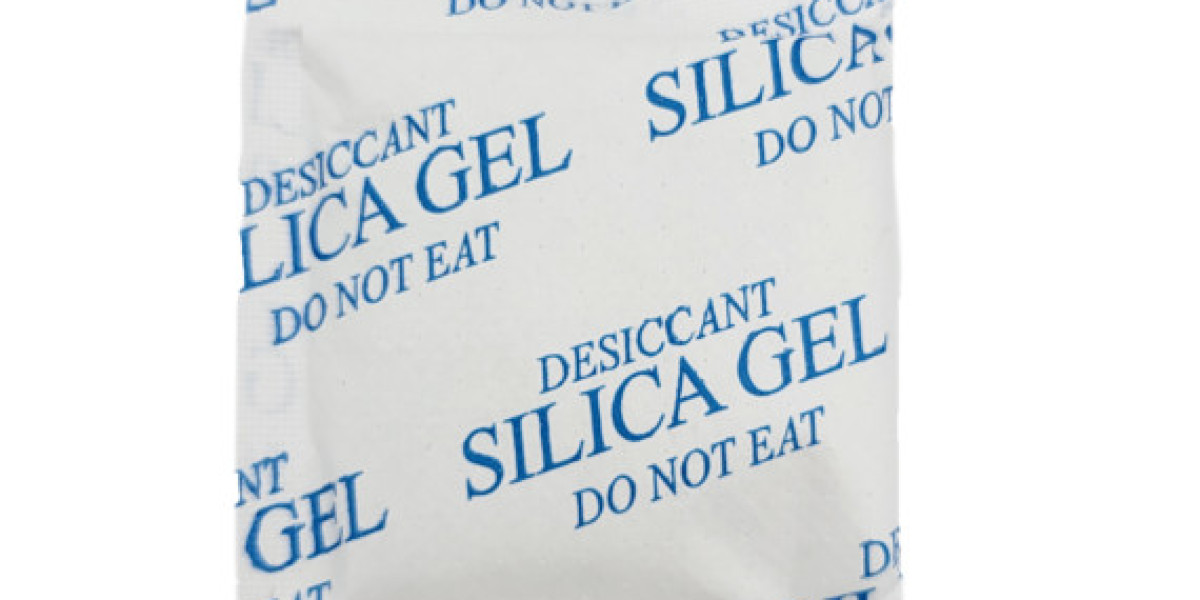

Have you ever wondered what those little packets labeled "silica gel" are doing in your new shoes or electronics? Often overlooked, silica gel desiccant plays a crucial role in keeping our belongings safe from moisture. These tiny beads packed inside small sachets absorb humidity, preventing mold and mildew while preserving the integrity of various items. But there's more to silica than just being a passive protector; it’s an essential component across numerous industries and everyday applications. Understanding how to store and utilize these powerful moisture-absorbing agents properly can unlock their true potential, ensuring maximum effectiveness for any environment. Join us as we delve into the world of silica desiccant, exploring its science, benefits, applications, and best practices.
What Is Silica Desiccant and How Does It Work?
Silica desiccant is a highly effective moisture-absorbing agent made from silicon dioxide. This naturally occurring compound is processed into small, porous beads or granules that efficiently trap water vapor. Often found in small packets, silica works silently to protect various items from damage caused by excess humidity.
The magic of silica lies in its structure. Each bead has an extensive surface area filled with tiny pores, allowing it to absorb up to 40% of its weight in moisture. When placed within a sealed environment, the beads attract and retain water molecules from the air, significantly reducing humidity levels.
One key aspect of silica desiccants is their ability to maintain effectiveness over time when stored properly. They don't expire, but can become saturated after prolonged use. However, many types are rechargeable through simple drying processes.
In essence, this versatile tool plays a vital role in preserving a wide range of items, from electronics and pharmaceuticals to food products and leather goods, by keeping them dry and protected against unwanted moisture.
The Science behind Moisture Absorption
Moisture absorption is a fascinating process that revolves around the unique properties of silica desiccant. Silica is made from silicon dioxide, a naturally occurring mineral. Its porous structure creates an extensive surface area that attracts and holds water molecules. This capability allows it to absorb moisture effectively.
When humidity levels rise, the silica draws in water vapor from the surrounding air. This occurs through physical adsorption rather than chemical reactions. As moisture interacts with the surface of the silica beads, it forms weak bonds, keeping water confined within their pores.
This science behind moisture control makes silica an invaluable tool in various applications—from storage solutions to preserving food products—ensuring longevity and quality across diverse industries.
Everyday Uses of Silica in Homes and Businesses
Silica desiccant is more than just a tiny packet found in new shoes. It's an incredibly versatile product that finds its way into many aspects of daily life, both at home and in various businesses. Many people use it to protect valuable items from moisture damage.
In homes, silica packs are often placed in storage boxes or closets to keep clothing and seasonal decorations dry. They work wonders in preventing mold growth on fabric and keeping musty odors at bay.
Businesses also leverage the unique properties of silica for inventory management. It’s commonly included with electronics during shipping to help shield them against humidity-induced malfunctions. Many manufacturers rely on these desiccants to ensure their products remain pristine until they reach consumers.
From safeguarding documents to preserving leather goods, the applications are vast. Silica desiccant helps maintain quality across numerous sectors by simply absorbing excess moisture wherever it's needed most.
Protecting Electronics and Gadgets from Moisture
Moisture can be a silent enemy to electronics and gadgets. A small amount of humidity can lead to significant damage, affecting performance and longevity. Silica desiccant acts as an ideal guardian against this threat by absorbing excess moisture from the air.
When storing devices such as smartphones, laptops, or cameras, placing silica packs in their cases or storage boxes creates a dry environment. This simple step helps prevent corrosion on electronic components, keeping circuits functioning properly.
In humid climates, it’s beneficial to use silica even when devices are not in use for extended periods. Keeping these little packets nearby ensures that any moisture buildup is minimized while your favorite gadgets sit idle.
The Role of Desiccants in the Pharmaceutical Industry
Desiccants play a crucial role in the pharmaceutical industry, ensuring that medications remain effective and safe for consumption. Moisture can compromise the integrity of active ingredients, leading to reduced potency or even contamination. By absorbing excess humidity, silica desiccant helps maintain optimal conditions for drug storage.
Pharmaceutical products often come in airtight packaging designed to limit exposure to moisture. However, any breaches in this packaging can introduce humidity that threatens product stability. Silica packs are strategically placed within these packages as an added layer of protection against moisture damage.
In addition to preserving medication quality, desiccants also help extend shelf life. Pharmaceuticals stored with proper desiccation can retain their efficacy longer than those without it. This is particularly important for sensitive items, such as tablets and powders that require strict environmental controls.
Keeping Food Fresh and Packaging Safe with Silica Gel
Silica desiccant plays a vital role in keeping food fresh and packaging safe. Absorbing excess moisture prevents spoilage and extends shelf life. This is especially important for products such as dried fruits, snacks, and spices, where humidity can lead to mold or degradation.
In the packaging industry, silica gel packets are commonly included with various food items. They effectively reduce moisture levels inside sealed containers or bags. Without this protection, foods can become stale or develop an off-putting texture over time.
Using silica is not just limited to commercial applications; home cooks can benefit too. Placing a few packets in your pantry or storage bins helps maintain optimal conditions for dry goods such as flour, sugar, and pasta. It’s an easy way to enhance food quality without the use of chemical additives.
When using silica around food items, remember that these packets should never be consumed. Ensure they remain intact while providing maximum protection against unwanted moisture for longer-lasting freshness.
How Silica Helps Protect Leather, Shoes, and Fabrics
Silica desiccant is a powerful ally in preserving leather, shoes, and various fabrics. Moisture can wreak havoc on these materials, leading to mold growth and deterioration over time. By incorporating silica packs into storage areas, you create a barrier against humidity that helps keep your belongings in pristine condition.
When it comes to shoes, especially those made of delicate materials like suede or fabric, moisture is often their worst enemy. Silica keeps them dry by preventing water damage while also minimizing odors caused by dampness.
Fabrics like cotton and wool are equally susceptible to mildew if not stored properly. Including silica packets with these textiles ensures they remain fresh and odor-free even after prolonged storage periods.
Environmental and Safety Considerations of Desiccant Use
When using silica desiccant, it’s essential to consider environmental and safety aspects. Silica is non-toxic and chemically inert, making it a safer choice for various applications. However, proper handling is still crucial. If ingested in large quantities, silica can cause mild irritation or discomfort.
Disposal of silica packs should be done responsibly. Many people mistakenly throw them in the trash without realizing they can be recycled or repurposed. Some local recycling programs accept these materials, so check your options to minimize waste.
Additionally, it's essential to store silica packets out of reach of children and pets. At the same time, although not highly toxic, accidental ingestion can lead to choking hazards or gastrointestinal issues.
Always check the packaging date when purchasing new packs. Old desiccants may lose their effectiveness over time due to exposure to moisture in the air, even before they are used. Ensuring you have fresh supplies helps maintain optimal performance while being conscientious about safety practices.
Simple Ways to Recharge and Reuse Silica Packs
Recharging silica packs is a simple process that can extend their lifespan significantly. Most silica packets can be dried out and reused multiple times, making them an economical choice for moisture control. The key is to remove the moisture they've absorbed.
To recharge your packs, begin by spreading them out on a baking sheet. Preheat your oven to about 250°F (121°C). Place the baking sheet in the oven for about two hours. This gentle heat will drive off the trapped moisture without damaging the silica beads.
Alternatively, if you prefer not to use an oven, you can air-dry them in a warm, well-ventilated area. Just make sure they are spread out evenly so each pack gets adequate exposure to heat and air.
After recharging, store your silica packs in an airtight container until you're ready to use them again. This keeps them effective for longer and ensures they're ready when needed to control humidity levels effectively.
Tips for Choosing the Right Silica Pack Size
Choosing the right silica desiccant pack size is crucial for effective moisture control. Start by assessing the volume of the space you want to protect. Whether it’s a small drawer or a large storage box, knowing your area helps determine how many packs you'll need.
Also, consider the humidity levels in your environment. If you live in a particularly humid region, larger packs or multiple smaller ones may be necessary to combat excess moisture effectively. Always err on the side of caution—it's better to have too much than too little when it comes to preserving your items.
Next, think about what you're protecting. Different materials require varying amounts of moisture absorption. For example, electronics might need more protection compared to documents or clothing due to their sensitivity.
Pay attention to the packaging label for recommended usage guidelines. Manufacturers often provide specific sizes based on cubic feet measurements and intended use cases, helping you make an informed decision that maximizes effectiveness.
Conclusion
Silica gel desiccant is a crucial tool for controlling moisture in various settings. Its unique ability to absorb excess humidity helps protect valuable items and prevents damage from mold, mildew, and corrosion.
By understanding how to store and utilize silica effectively, you can enhance its performance. Properly maintaining these packets ensures they remain potent and ready for action whenever needed.
Whether you're looking to safeguard your electronics or keep your food fresh, the versatility of silica makes it a go-to solution for these purposes. It’s also widely used across various industries, such as pharmaceuticals, where moisture control is crucial.
With simple recharging methods available, you can extend the life of your silica packs significantly. Choosing the right size is equally important for optimal results in any application you have in mind.
FAQs
What is silica gel desiccant made of?
Silica gel desiccant consists primarily of silicon dioxide, a naturally occurring mineral. It is processed into granular form to maximize surface area, allowing it to absorb moisture effectively.
Can silica be reused?
Yes, silica can often be recharged by baking it in the oven at low temperatures (around 250°F) for a couple of hours. This process removes the absorbed moisture and allows you to use the packs again.
How long does silica last?
The lifespan of silica depends on its usage conditions. In environments with high humidity or if exposed to water, it may saturate quickly—typically within days or weeks. Regularly checking and recharging your packs will extend their effectiveness.
Related Business Listings |