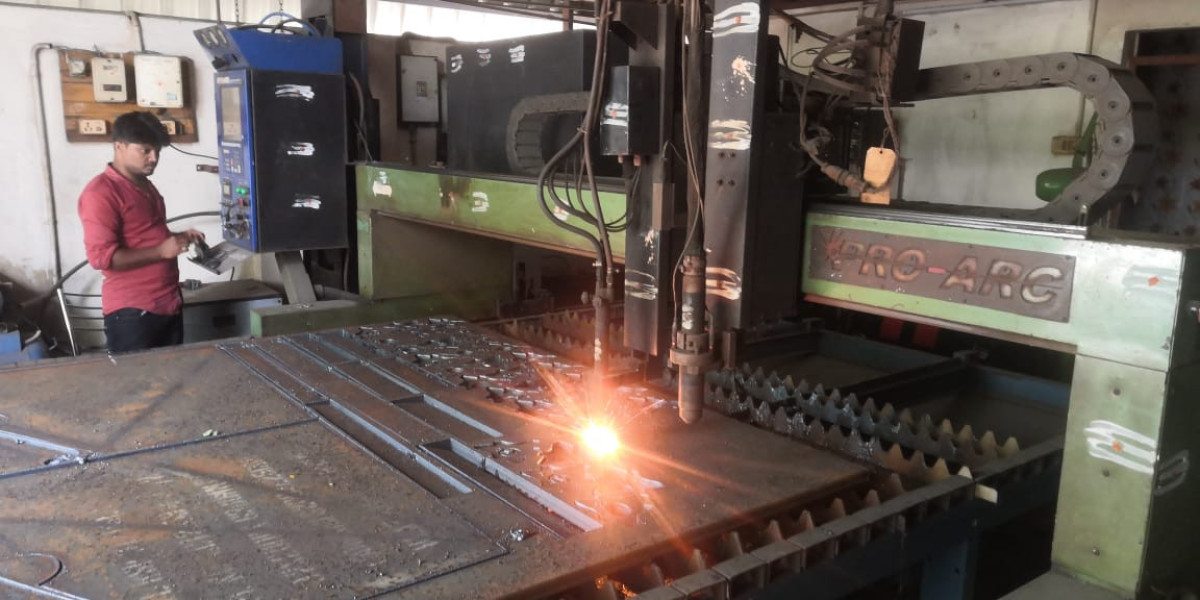

Plasma cutting has become one of the most efficient and precise methods for cutting metals in industries ranging from construction to automotive. With Singapore’s booming manufacturing and engineering sector, businesses and workshops are constantly on the lookout for reliable, high-performance cutting tools. One of the most critical investments in this space is the Plasma Cutting Machine. But with so many brands, models, and technical features available, how do you choose the right one for your needs?
This guide will walk you through the essential factors to consider when selecting a plasma cutting machine in Singapore. Whether you’re a small fabrication shop or a large industrial player, making the right choice can help you boost productivity, achieve cleaner cuts, and ensure long-term cost savings.
Plasma Cutting Machines
Before diving into the buying process, it’s important to understand what a plasma cutter does. Plasma cutting works by sending an electric arc through a gas—such as oxygen, nitrogen, or argon—causing it to reach an extremely high temperature and turn into plasma. This plasma jet melts through metal at lightning speed, producing precise and clean cuts with minimal waste.
In Singapore, where industries demand efficiency and precision, plasma cutting is widely preferred over traditional cutting methods such as oxy-fuel cutting or mechanical saws.
Why Choosing the Right Plasma Cutter Matters
Investing in the wrong plasma cutting machine can result in frequent breakdowns, high maintenance costs, and poor quality cuts. On the other hand, the right choice can give you:
Better cut quality: Smooth edges reduce the need for secondary finishing.
Faster production: Higher cutting speeds improve throughput.
Lower operating costs: Energy-efficient designs and longer consumable life.
Versatility: Ability to cut various metals, from stainless steel to aluminum.
In Singapore’s competitive manufacturing landscape, these advantages directly impact profitability and customer satisfaction.
Key Factors to Consider When Choosing a Plasma Cutting Machine in Singapore
1. Cutting Thickness and Capacity
One of the first things to evaluate is the maximum thickness of the materials you typically cut. Plasma cutters come in different amperage ratings, which determine their cutting capacity.
Light-duty plasma cutters (up to 40 amps): Ideal for thin sheets of metal, such as automotive bodywork.
Medium-duty plasma cutters (40–80 amps): Suitable for fabrication shops handling moderate steel thickness.
Heavy-duty plasma cutters (100+ amps): Designed for industrial applications, capable of cutting steel up to 50mm or more.
For businesses in Singapore’s shipbuilding or heavy engineering industries, opting for a high-capacity plasma cutter is essential.
2. Power Source and Voltage
Plasma cutters can run on single-phase or three-phase power. In Singapore, most industrial workshops use three-phase power, but smaller setups may only have access to single-phase connections.
Single-phase machines (110V/240V): Compact and portable, suitable for small workshops or on-site repairs.
Three-phase machines (415V): Provide higher power output, designed for heavy and continuous use.
Choosing the wrong voltage can result in inefficiency or even equipment damage, so it’s important to match the machine with your available power supply.
3. Duty Cycle
The duty cycle refers to how long a plasma cutting machine can operate continuously before needing a cool-down period. A 60% duty cycle at 60 amps, for example, means the machine can run for 6 minutes and then rest for 4 minutes within a 10-minute cycle.
In high-demand industries like aerospace and precision engineering in Singapore, a machine with a higher duty cycle ensures uninterrupted workflows and faster turnaround times.
4. Portability vs. Stationary Models
Depending on your needs, you’ll want to decide between portable or stationary plasma cutting machines.
Portable machines: Lightweight and compact, ideal for contractors and mobile repair jobs.
Stationary machines: Heavier but more powerful, designed for fabrication shops that handle large and thick materials daily.
For many SMEs in Singapore, a balance between portability and performance offers the best value.
5. Cutting Technology: Manual vs. CNC Plasma Cutters
Another key decision is whether to choose a manual plasma cutter or a CNC (Computer Numerical Control) plasma cutting machine.
Manual cutters: Great for small jobs and flexible on-site tasks.
CNC plasma cutters: Integrated with computer software for automated, high-precision cutting. They are widely used in Singapore’s manufacturing hubs for mass production.
If your business requires intricate designs, consistent accuracy, and high production volumes, investing in CNC technology will pay off in the long run.
6. Brand Reputation and After-Sales Support
With Singapore being a hub for international machinery suppliers, you’ll find a wide range of plasma cutting machine brands. While cost is a factor, it’s equally important to consider:
Warranty coverage
Availability of spare parts
Local technical support
Training for your staff
Brands that offer reliable after-sales support ensure less downtime and more consistent output.
7. Cost vs. Value
Price is often the deciding factor, but it should not be the only one. A low-cost plasma cutting machine might save money upfront but lead to higher operational costs later due to frequent consumable replacements or inefficient power use.
Instead, focus on value for money—machines that strike a balance between affordability, durability, and long-term operating efficiency.
Popular Applications of Plasma Cutting Machines in Singapore
Plasma cutting machines are widely used across multiple sectors in Singapore, including:
Shipbuilding and marine engineering: Cutting thick steel plates for vessel construction.
Construction industry: Fabricating steel beams, frames, and reinforcements.
Automotive repairs and customization: Precise cutting for vehicle bodywork.
Manufacturing and fabrication workshops: Mass-production of components and structures.
Aerospace industry: Cutting lightweight alloys with high precision.
This versatility makes plasma cutters a critical tool in the country’s industrial growth.
Tips for Buying a Plasma Cutting Machine in Singapore
Test before buying: If possible, ask for a demonstration from the supplier.
Check energy efficiency: Power-saving models help reduce long-term electricity costs.
Look at consumables lifespan: Longer-lasting consumables reduce replacement costs.
Future-proof your investment: Consider machines that can adapt to evolving industry needs, such as CNC compatibility.
Conclusion
Choosing the right plasma cutting machine in Singapore requires more than just comparing prices—it’s about matching the machine’s capabilities with your specific operational needs. By considering factors such as cutting capacity, duty cycle, portability, and after-sales support, you can ensure you’re making a smart investment.
Whether you’re running a small workshop or a large-scale manufacturing plant, the right plasma cutting machine will enhance productivity, deliver superior cut quality, and give your business the competitive edge it needs in Singapore’s fast-paced industrial environment.