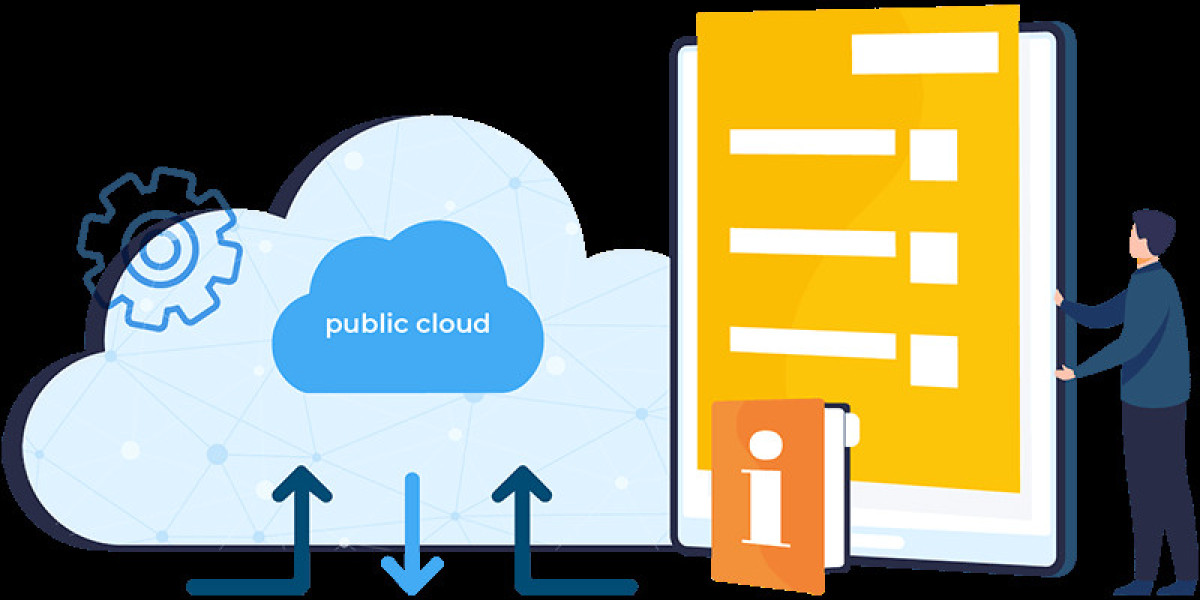

The ongoing digital transformation across global industries is fundamentally driven by the strategic process of moving digital assets to the cloud. This transition, known as Public Cloud Migration, involves transferring applications, data, and other critical business elements from private, on-premises data centers to the vast infrastructure of public cloud providers like Amazon Web Services (AWS), Microsoft Azure, and Google Cloud Platform (GCP). The primary motivations behind this monumental shift are the pursuit of enhanced operational agility, superior scalability, and significant cost efficiencies. By leveraging a public cloud environment, organizations can shed the burdens of managing physical hardware, allowing them to focus resources on core business innovation and customer value. This move is no longer considered a mere IT upgrade but a foundational business strategy essential for maintaining competitiveness in an increasingly fast-paced and data-driven world, where the ability to adapt quickly is paramount to success.
The benefits of migrating to a public cloud are both immediate and long-term. Financially, it represents a pivotal shift from a capital expenditure (CapEx) model, which requires large upfront investments in hardware, to an operational expenditure (OpEx) model, where services are paid for on a consumption basis. This pay-as-you-go approach provides predictable costs and eliminates the risk of overprovisioning. Operationally, the cloud offers unparalleled elasticity, enabling businesses to seamlessly scale their computing resources up or down in response to fluctuating demand—a feat nearly impossible to achieve with on-premises infrastructure. Furthermore, migrating to the cloud unlocks access to a vast ecosystem of advanced, managed services, including artificial intelligence (AI), machine learning (ML), and big data analytics platforms. This democratizes access to cutting-edge technology, empowering organizations of all sizes to innovate and develop next-generation products and services without the need for specialized in-house expertise.
Despite the compelling advantages, a successful public cloud migration demands meticulous planning and strategic execution. It is far more complex than a simple "lift-and-shift" of existing systems. Organizations must first conduct a thorough assessment of their application portfolio to identify dependencies, performance requirements, and potential modernization opportunities. Choosing the right migration strategy—such as rehosting, replatforming, or refactoring—is critical to maximizing the benefits of the cloud. Security and compliance also remain top concerns, requiring a clear understanding of the shared responsibility model where the cloud provider secures the infrastructure, but the customer is responsible for securing their data and applications within it. While these challenges require careful consideration, the overwhelming strategic advantages of agility, cost savings, and innovation make public cloud migration an essential journey for any modern enterprise looking to thrive.