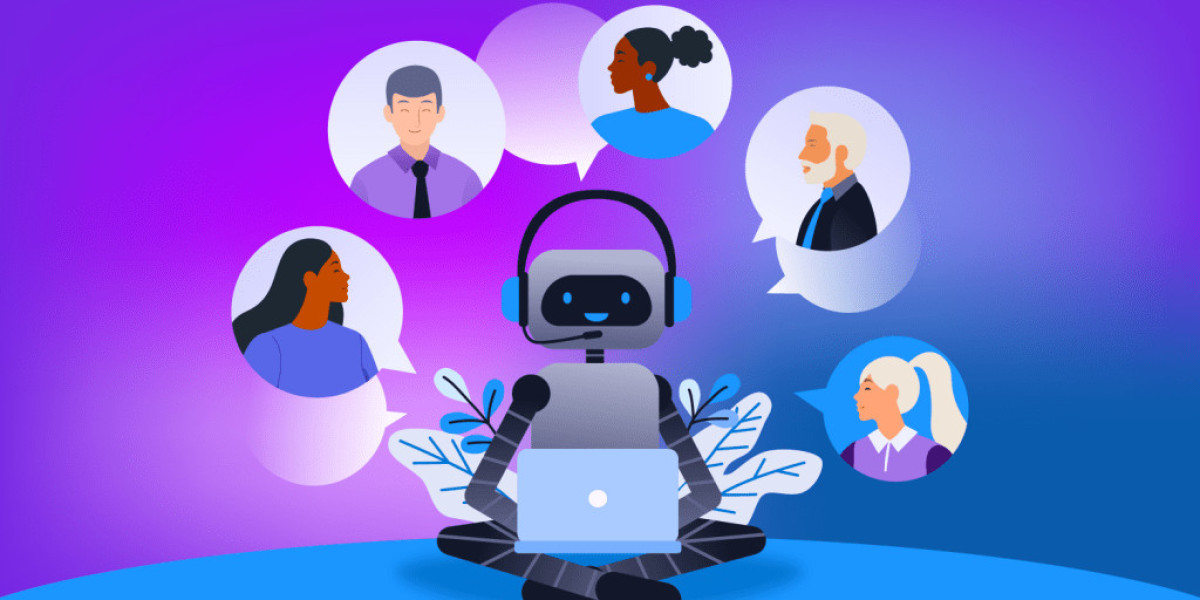

The landscape of business-to-consumer interaction is undergoing a profound transformation, spearheaded by the widespread adoption of intelligent automated systems. This new era is defined by AI Chatbots, which are sophisticated software programs designed to simulate human-like conversations through text or voice. Powered by advancements in artificial intelligence, particularly in Natural Language Processing (NLP) and Machine Learning (ML), these bots can understand user intent, process complex queries, and provide relevant, contextual responses. Unlike their rudimentary, rule-based predecessors that followed rigid scripts, modern AI chatbots can learn from interactions, continuously improving their accuracy and performance. They serve as the front line for customer service, sales, and marketing, providing instant, 24/7 support and engagement across websites, mobile apps, and social media platforms, fundamentally changing how organizations connect with their audience.
The benefits of integrating AI chatbots into business operations are both vast and compelling. For businesses, the most significant advantage is the ability to scale customer support operations efficiently and cost-effectively. A single chatbot can handle thousands of conversations simultaneously, freeing up human agents to focus on more complex, high-value issues that require empathy and critical thinking. This leads to substantial reductions in operational costs, including salaries and training expenses. Moreover, chatbots are invaluable tools for lead generation and qualification, engaging website visitors, answering product questions, and guiding potential customers through the sales funnel. They collect crucial data on customer preferences and pain points, providing businesses with actionable insights to refine their products, services, and marketing strategies, creating a virtuous cycle of improvement and growth.
For the end-user, the experience is defined by immediacy and convenience. In an on-demand world, consumers have come to expect instant answers to their questions, regardless of the time of day. AI chatbots meet this expectation by providing immediate, round-the-clock assistance, eliminating frustrating wait times associated with traditional call centers or email support. A well-designed chatbot can offer personalized recommendations, help users navigate a complex website, track orders, or troubleshoot common problems in a conversational and user-friendly manner. This seamless and efficient interaction enhances the overall customer experience, leading to higher satisfaction, increased trust, and stronger brand loyalty. As the technology continues to evolve, chatbots are becoming more intuitive and empathetic, further bridging the gap between automated assistance and genuine human connection.