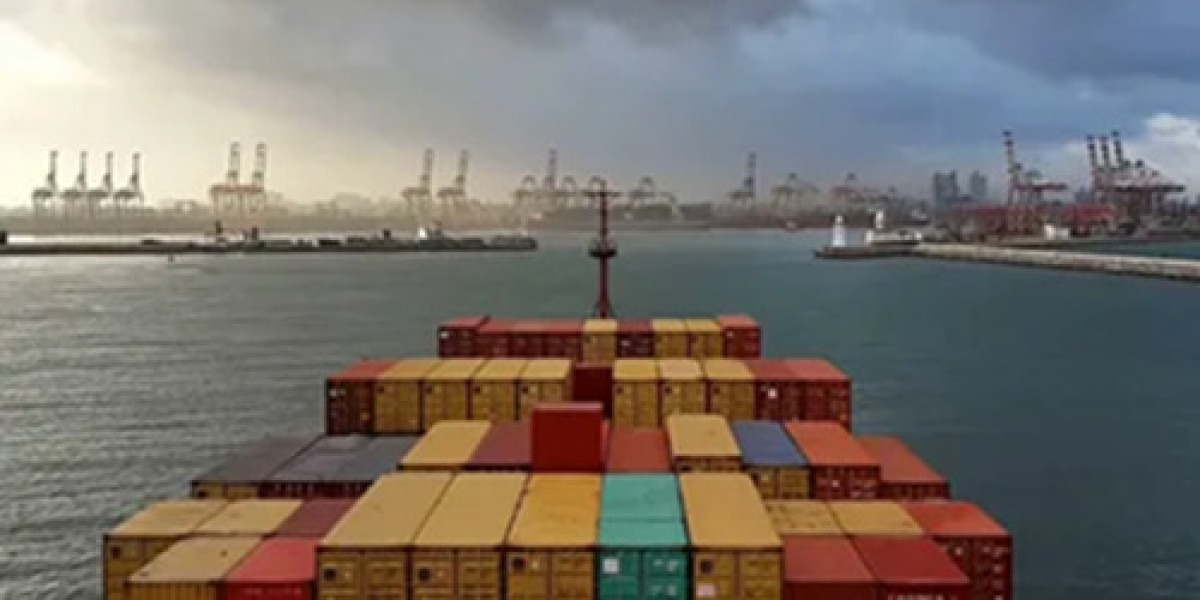

In this article, we explore the importance of Ghana export data and Ghana import data, what they reveal about the country's economy, and how businesses can leverage them for growth.
Why Ghana Trade Data Matters
Trade data offers a real-time snapshot of a country’s economic health, market demands, and global connections. With accurate Ghana import export data, businesses can:
Identify new market opportunities
Track demand and supply trends
Understand competitor movements
Make smarter sourcing and export decisions
Navigate regulations and minimize risk
By studying Ghana import data and Ghana export data, companies can align their strategies with market realities and forecast shifts in trade flows.
Ghana Export Data: What Is Ghana Selling to the World?
Ghana export data reveals the country's strengths in commodity exports and its gradual diversification into non-traditional sectors.
Top Ghanaian Exports:
Gold – Ghana is one of Africa’s leading gold producers.
Crude oil – A major contributor to export revenues.
Cocoa beans and products – Ghana ranks among the top global cocoa exporters.
Timber and wood products
Cashew nuts, shea butter, and horticultural products
Major Export Destinations:
Switzerland
China
India
Netherlands
South Africa
By analyzing Ghana export data, businesses can identify high-performing sectors and potential buyers worldwide. It also helps exporters evaluate competition and pricing trends in key markets.
Ghana Import Data: What Is Ghana Buying?
Ghana import data highlights the goods that the country relies on to support its population and industries. These imports span essential sectors such as energy, manufacturing, construction, healthcare, and agriculture.
Key Imports:
Refined petroleum and fuel products
Machinery and mechanical appliances
Vehicles and transport equipment
Foodstuffs (rice, sugar, dairy)
Pharmaceuticals and medical equipment
Construction materials
Top Import Sources:
China
United Arab Emirates (UAE)
India
United States
Netherlands
Understanding Ghana import data is valuable for foreign exporters seeking to tap into the Ghanaian market, as it shows what products are in demand and who the key players are.
Where to Access Ghana Import Export Data
Reliable Ghana import export data can be obtained from a variety of official and third-party sources:
Ghana Revenue Authority (Customs Division)
Ghana Statistical Service
UN Comtrade
International Trade Centre (ITC) Trade Map
World Bank WITS
Private trade intelligence platforms
These platforms offer detailed data such as HS codes, trade values, volumes, partner countries, and port information — all useful for planning trade strategies or conducting market research.
How Businesses Use Ghana Trade Data
Here’s how companies and institutions benefit from Ghana import data and Ghana export data:
Exporters: Identify top-performing products and target destinations.
Importers: Discover sourcing opportunities and price trends.
Investors: Analyze trade trends to assess market stability and growth potential.
Policy Makers: Formulate trade and economic policies based on real data.
Consultants and Analysts: Track sectoral performance and regional competitiveness.
Final Thoughts
With its growing economy and expanding trade network, Ghana is becoming an increasingly attractive destination for global commerce. Leveraging Ghana export data, Ghana import data, and comprehensive Ghana import export data allows businesses to unlock new opportunities, reduce risks, and stay ahead of the competition.
Want to Succeed in Ghana's Trade Market?
Start by understanding the data. Whether you're entering the Ghanaian market or looking to expand your operations, real-time Ghana import export data is your most valuable tool.
Ubicación del Autor
BROADWAY STE R ALBANY, NY 12207