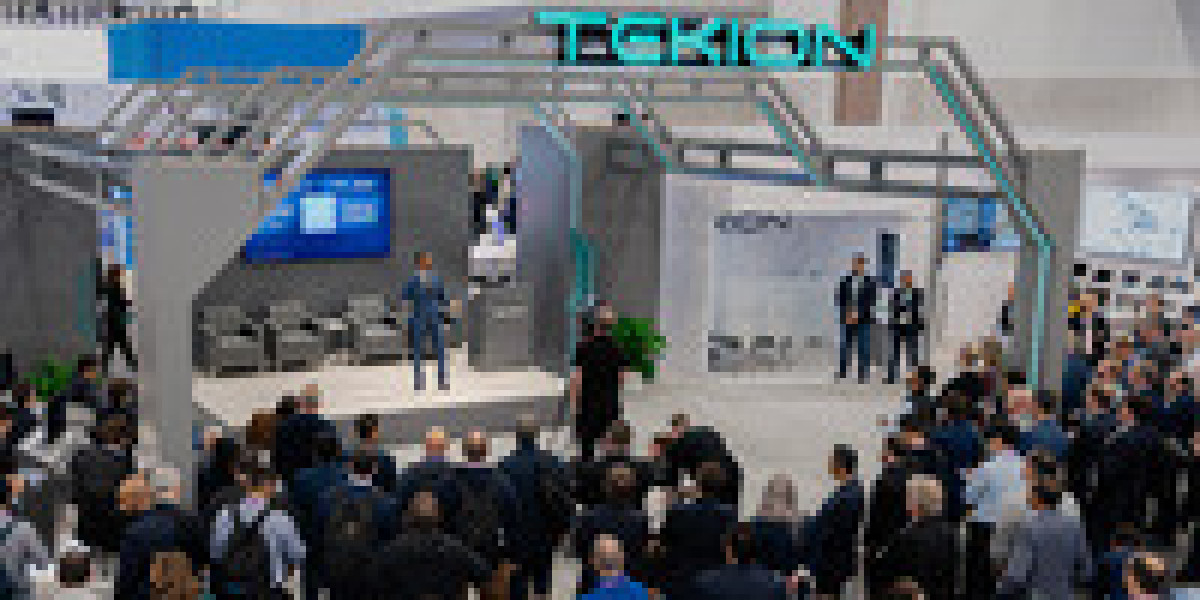

In the automotive world, customers and businesses alike expect more than just traditional buying and servicing—what they want is speed, transparency, flexibility, and seamless experiences. Tekion is a platform that aims squarely at fulfilling those expectations. Built as a cloud‑native system and infused with artificial intelligence, it seeks to unify and modernize how dealerships, manufacturers (OEMs), and consumers interact from search to purchase to follow‑up service.
Foundational Philosophy & Technology
Tekion centers on a few core principles:
Cloud‑First Design: Instead of layering modern features on legacy systems, Tekion is built from the ground up for the cloud. This gives advantages in terms of scalability, continuous updates, and remote access.
AI / Machine Learning Embedded: Intelligence isn’t an addon; it’s integral. Tekion’s systems use AI/ML (plus more advanced tools like natural language processing and generative models) to assist in decision‑making, communication, forecasting, workflow automation, and more.
Unified Ecosystem: Rather than having separate silos for sales, service, parts, finance, customer relations, Tekion offers one platform that spans these functions. The goal is to reduce fragmentation, duplication, and friction, both for internal operations and for the customer journey.
Key Offerings & Modules
Tekion’s platform comprises several interlinked product suites and tools, each targeting particular parts of the automotive commerce process.
Automotive Retail Cloud (ARC)
This is the core system for dealerships. It provides:
Dealer Management System (DMS) capabilities: Managing inventory, sales workflows, F&I (finance and insurance) processes, parts, repair orders, accounting, and connected service operations. The goal is to streamline daily operations and ensure that all internal data flows coherently.
Digital retailing tools: Enabling purchases (or at least deal initiation), financing, document signing, and checkout features to happen online or in hybrid modes. Helps reduce delay or friction in the sales process.
Service and Parts Integration: Workshops/lane/shop, parts inventory, scheduling; everything tied together. AI can help in recommending services, optimizing parts usage, predicting which repairs may be coming due.
Automotive Enterprise Cloud (AEC)
Designed for OEMs (Original Equipment Manufacturers) and brand websites, this module focuses on delivering a smooth path from browsing at the brand level through to purchase (online or through the retailer). Key features include:
Vehicle Configurator: Letting customers customize options, see available packages, features, colors, etc., all while matching to inventory available locally.
Consumer shopping experience: Transparent pricing, add‑ons, financing, digital signatures, flexible delivery / pickup arrangements. The goal is to remove the sharp boundaries between what a brand site offers and what a dealer offers.
Virtual‑to‑Visit / Concierge Experiences
Tekion offers tools to handle mixed digital‑and‑physical customer journeys more fluidly:
Sales Concierge: Enables remote initiation of deals, negotiation, credit/finance discussions, document handling, etc.
Service Concierge: Similar idea for service: customers can schedule, arrange remote drop‑off/pick‑up, track inspections or repairs, handle payments securely, etc. This improves convenience and trust.
AI Enhancements & Automation
Tekion isn’t just automation in the minor sense; it is pushing toward more ambitious AI use across its products. Examples:
Smart Communication: A generative AI‑based feature that analyzes communication between prospective customers and dealership staff, suggests responses, helps with email/text content, shortens response time. This is part of their “AI Engine” which includes machine learning, generative models, natural language, etc.
AI Agents: These go beyond recommendations to actual task automation (for example, in service workflows). The idea is to let the system handle many of the operational steps, freeing human staff to focus where judgment and direct relationships matter.
Benefits & Value Proposition
What do dealership groups, OEMs, and consumers gain by using Tekion? There are several clear advantages.
Improved Customer Experience
Buyers expect a smooth, flexible process: to start online, maybe finish in store, perhaps complete things remotely. Tekion’s tools allow that. Features like digital retail and virtual‑to‑visit reduce friction. Transparent pricing, configurators, live negotiation sessions help trust and satisfaction.Operational Efficiency
Because internal departments are integrated (sales, service, parts, accounting), there is less duplication, fewer handoffs, fewer errors, and more visibility. AI helps to reduce manual work, speed approvals, and streamline processes.Revenue Uplift & New Opportunities
Upsell opportunities (accessories, service add‑ons), better lead handling (faster responses, smarter communication), more conversions from online designs or finance tools—these all contribute to better margins. AI‑driven suggestions can highlight opportunities dealers might miss.Transparency & Control
Dealers get real‑time metrics, analytics, forecasts. OEMs get better alignment with retailers and visibility into consumer behavior. Consumers see clearer deals, pricing, and more consistent brand‑to‑store experiences. These all help reduce risk and build trust.Scalability & Future‑Readiness
As automotive commerce shifts ever more toward digital, remote, hybrid dealings (online purchase, at‑home delivery, etc.), platforms like Tekion’s are built to support that. Being cloud‑native means easier updates, scaling without huge infrastructure investment. Also, the AI roadmap (with tools like AI Agents) positions users to gradually move more operations into automated or semi‑automated modes.
Potential Challenges & Considerations
As with any comprehensive, modern platform, adopting Tekion also involves trade‑offs and things to watch out for. Factoring these in helps ensure smooth implementation and realization of benefits.
Change Management
Moving from legacy dealership management systems (many of which have been in place for decades) to a newer, unified platform involves training, adapting workflows, shifting responsibility, perhaps reassigning roles. Staff accustomed to old ways might resist or take time to adapt.Data Migration & Integration
Many dealers have huge volumes of historical data – sales history, service records, parts inventory, customer data, etc. Moving that data cleanly is non‑trivial. Also integrating with other tools/vendors in local markets (e.g. financing partners, local regulations, payment systems) needs compatibility.Local Regulatory / Compliance Differences
Vehicle registration, title/tax/licensing laws differ by jurisdiction. Ensuring the platform can be configured to local legal requirements is essential. Also, digital signatures and remote transaction permissions vary by region.Performance & Dependence on Connectivity
Since the system is cloud‑native, reliable internet, responsive cloud infrastructure, low latency are key. Poor connectivity or downtime will affect operations.User Experience & Support & Parts Workflow Complexity
Some users might find certain modules (especially parts, inventory movements, vendor PO systems) more challenging if their dealership has unusual or complex workflows. Also, support quality, training materials, and the readiness of staff to adopt change affect outcomes.
Real‑World Results & Adoption
Tekion has already been adopted by dealerships and OEMs in various capacities, and certain outcomes are highlighting its value.
Dealers using Smart Communication have reported much faster lead response times and better engagement through more effective customer follow‑ups.
The introduction of AI Agents for service processes promises to reduce manual steps in repair identification, approvals, and coordination of service tasks—leading to higher throughput in service operations and better customer feedback.
OEM/retail initiatives via the Automotive Enterprise Cloud have enabled smoother brand‑site to dealer transitions, allowing consumers to configure, price, pay, and schedule delivery or pickup in more flexible ways.
Partnerships (for example, with Hyundai in Canada) show that OEMs are trusting Tekion as their DMS provider, indicating confidence in the platform’s ability to scale and integrate deeply with dealership networks.
Looking Forward
Tekion appears poised to continue expanding and adding depth to its features. Some directions to watch:
Further expansion of its AI toolkit, especially in automating more service‑and‑aftermarket workflows. The AI Agents themselves (already introduced for service) may be rolled out in other departments.
Enrichment of the digital retail experience, making hybrid purchase flows (online + in‑store) ever more seamless. More tools for configuring, paying, taking delivery/pickup.
Enhanced analytics and metrics to further empower dealers and OEMs: better forecasting, customer behavior modeling, lead‑management transparency. Possibly more real‑time dashboards, more predictive functions.
Greater localization for international markets: adapting to regional laws, languages, dealership practices. As Tekion grows globally (which it already is to some degree), local adaptation becomes more crucial.
Tekion represents what many in the automotive retail world are striving toward: a move away from fragmented, manual, offline/physical‑only workflows, toward digital‑first, AI‑assisted, connected experiences. It brings together what was previously spread across many systems—sales, service, parts, accounting, consumer buying journeys—and provides tools to manage them in an integrated, modern way.
For dealerships and OEMs willing to embrace change, invest in training, and align their operations, Tekion offers significant upside: better customer satisfaction, faster sales cycles, improved service throughput, higher revenue per transaction, and more predictable business performance. As the automotive industry continues its digital evolution, platforms like Tekion are likely to become part of the foundational infrastructure of successful dealers and brands.