
Many old and damaged vehicles end up sitting unused in driveways, garages, or backyards. Some people let them sit there for years, unsure of what to do with them. This is where car wreckers step in. They take on the task of handling vehicles that no longer run or are no longer worth fixing. But what really goes on behind the gates of a car wrecking yard?
In this article, you will get a detailed look at how the car wrecking process works, what happens to the different parts, and how this entire system supports the environment and economy.https://getcashforcarz.com.au/
What Do Car Wreckers Actually Do?
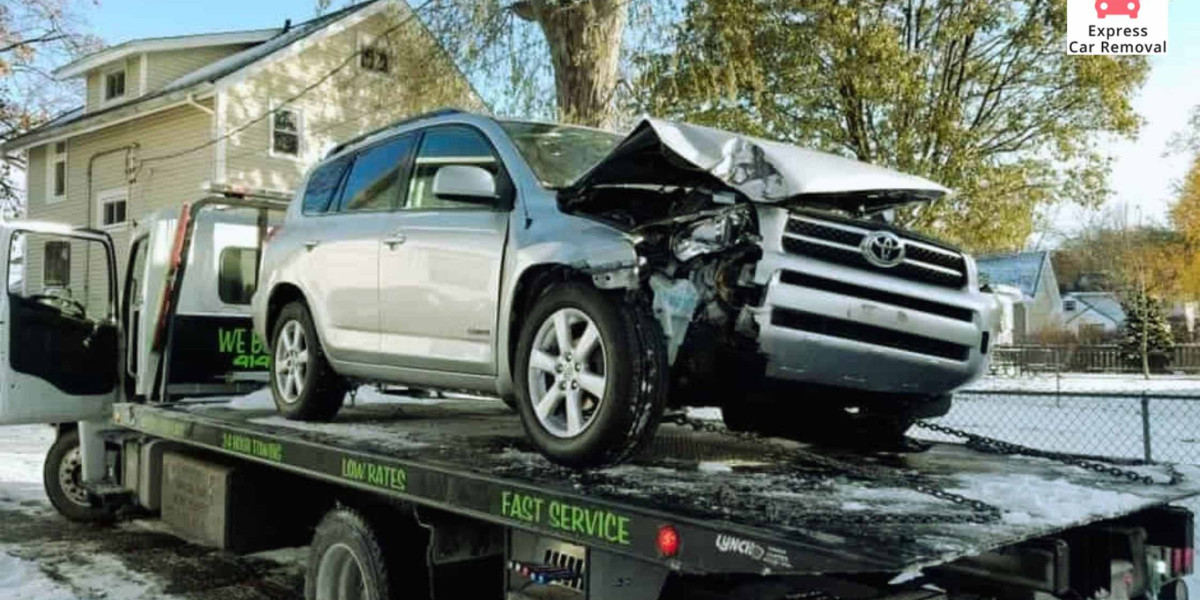
Car wreckers handle vehicles that are no longer useful for driving. These vehicles can be damaged from accidents, failed engines, or are simply too old to pass roadworthy checks. The role of a car wrecker is not just to take these vehicles apart but to find new life in what remains.
Every vehicle that enters a wrecking yard has the potential to be used in many different ways. Some cars may still have working parts that can be sold to other vehicle owners. Others may be stripped down completely and the metal recycled. This makes the job of a wrecker both technical and practical.
The First Step: Vehicle Assessment
As soon as a vehicle arrives at the yard, the team begins with a full inspection. They look at the condition of the car, how much damage it has taken, and whether any parts are still functioning. This step is important because it helps determine the next course of action.
Vehicles are often assessed for:
Engine condition
Gearbox operation
Electrical systems
Interior parts like seats or dashboards
Body panels and lights
If parts are found to be in working order, they are removed carefully and put aside for resale.
Removing Hazardous Materials
Before any dismantling begins, the team removes all materials that can pose a risk to the environment or health. This includes:
Engine oil
Brake fluid
Transmission fluid
Petrol or diesel
Airbags
Battery acid
These materials are stored in proper containers and either recycled or disposed of according to local safety regulations. Handling these materials properly is a legal and moral responsibility for any wrecking operation.
Stripping and Sorting Parts
Once the dangerous items are taken out, the real dismantling begins. Teams with mechanical skills begin stripping the car down to its core. Anything that can still be used will be sorted and labelled. These include:
Alternators
Starters
Radiators
Mirrors
Tyres and wheels
Windows
Some of these parts are sold to mechanics, car repair shops or individuals looking for cost-saving options. Others may be stored until a matching customer request comes through.
Crushing and Shredding
After all usable parts are taken out, what remains is usually a metal shell. At this stage, the shell is crushed or shredded. This metal does not go to waste. It is collected and sent to recycling facilities where it is melted down and reused in manufacturing.
In Australia, metal recycling is a large industry. According to the Australian Bureau of Statistics, over 5 million tonnes of metal are recycled each year, and a good portion of that comes from vehicles. Wreckers play a vital part in supplying this stream of metal.
The Role of Car Wreckers in Reducing Waste
Every car that gets processed by a wrecker avoids ending up in a landfill. This is important because vehicles contain materials that do not break down easily. By removing parts and recycling the shell, a large amount of waste is reduced.
Also, the reuse of parts lowers the need for manufacturing new ones. This saves energy, reduces mining for raw materials, and limits pollution from factories. It is a simple yet important step in managing the growing pressure on natural resources.
Unwanted Car Removal and the Bigger Picture
Many people think that old vehicles are just a burden. They take up space, become an eyesore, and sometimes even lower property value. This is where Unwanted Car Removal services step in. These services make it easier for people to get rid of cars they no longer need, in a way that does not damage the environment.
Rather than leaving a vehicle to rust in your garage or paying towing fees to dump it, these services collect the vehicle, assess it, and send it through the proper wrecking process. This not only clears up your space but also feeds into the circular system of recycling and reusing vehicle parts.
Many vehicle owners are surprised to learn that their old cars can still have value through this process, even if they no longer run.
Promoting Responsible Choices Through Real Action
It is easy to overlook how much waste builds up from vehicles. But there are services like Get Cash for Carz that encourage responsible disposal. They not only help in clearing away old and broken vehicles, but also ensure that these cars go through the correct recycling path.
When you choose to use a service like this, you are not just removing a vehicle from your property. You are also making sure it goes to a place where it will be taken apart, reused, and recycled in a lawful and safe manner. This supports jobs, reduces landfill pressure, and helps other drivers access second-hand parts at fair rates.
Their approach supports the full chain of collection, assessment, part reuse, and metal recycling—fitting perfectly into the car wrecking cycle and showing that even the most broken cars still have something to offer.
Myths Around Car Wreckers
There are still some wrong ideas around how car wreckers work. Some believe that wreckers simply dump cars in yards and forget about them. Others think that no parts are reused and everything goes to scrap. These ideas are far from true.
Wreckers follow rules, handle fluids safely, keep detailed part inventories, and ensure vehicles are not wasted. There is a full system behind the process, built on planning and practical thinking.
Final Thoughts
The work done by car wreckers is far more than just pulling cars apart. It is about resource use, safety, recycling, and community support. From the moment a vehicle enters the yard to the time it is reduced to raw materials, every step is planned and useful.
Next time you see an old vehicle on the road or in someone’s backyard, remember that it still has a role to play. And when you think about removing a vehicle you no longer need, choosing the right process can make a real difference—not only for you but for the planet as well.