
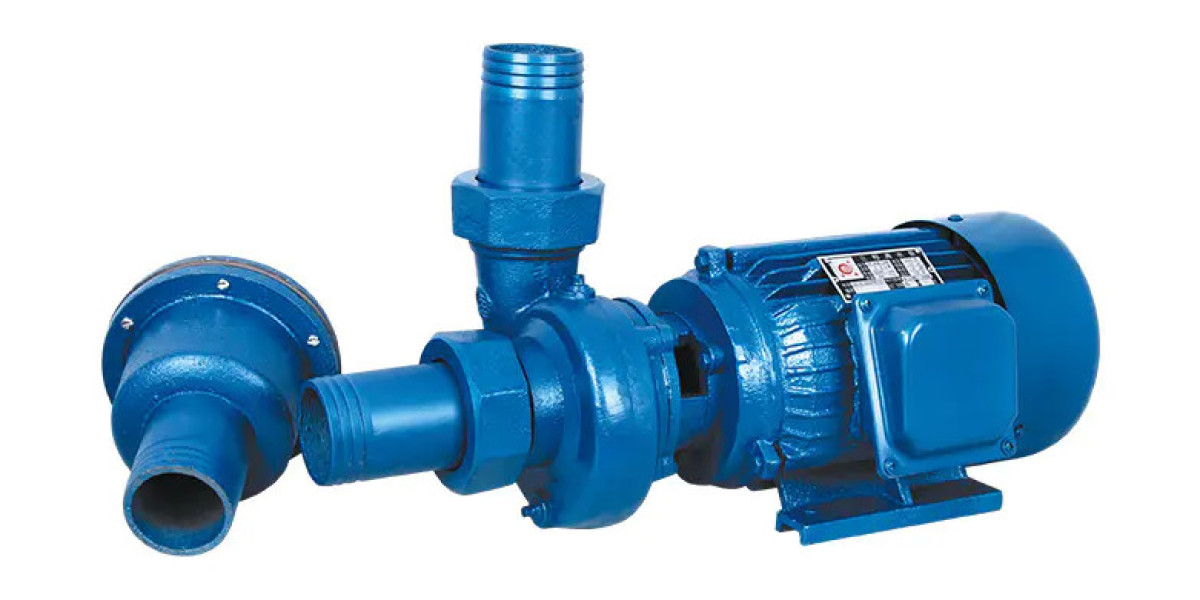

A mixer pump is a specialized device designed to move liquids while simultaneously mixing them. Its combination of pumping and agitation capabilities allows it to maintain a uniform mixture in tanks, pits, or industrial containers. This dual function reduces the need for additional mixing machinery and simplifies fluid handling.
One common use of mixer pumps is in wastewater management, where they keep sludge and wastewater in constant motion. This prevents solids from settling and facilitates more consistent treatment outcomes. In chemical processing, mixer pumps ensure that substances are evenly blended, which helps maintain stable reactions and product quality.
Mixer pumps operate using an impeller, which rotates to generate fluid flow and agitation. Depending on the application, pumps can be designed for submersible or external installation. Submersible pumps are particularly convenient for deep tanks, as they operate directly within the liquid, reducing the need for complex piping systems.
Efficiency and durability are important considerations in mixer pump design. Proper installation, routine inspection, and maintenance are key to keeping the pump running smoothly. Adjustments to speed and impeller type allow operators to match the pump's performance to the characteristics of the liquid and the specific application requirements.
By providing simultaneous pumping and mixing, mixer pumps enhance operational efficiency and fluid uniformity. Their practical design and broad applicability make them a valuable tool across various sectors. From agriculture to industrial processing, mixer pumps contribute to more effective and reliable fluid management.
Ubicación del Autor
London, Reino Unido