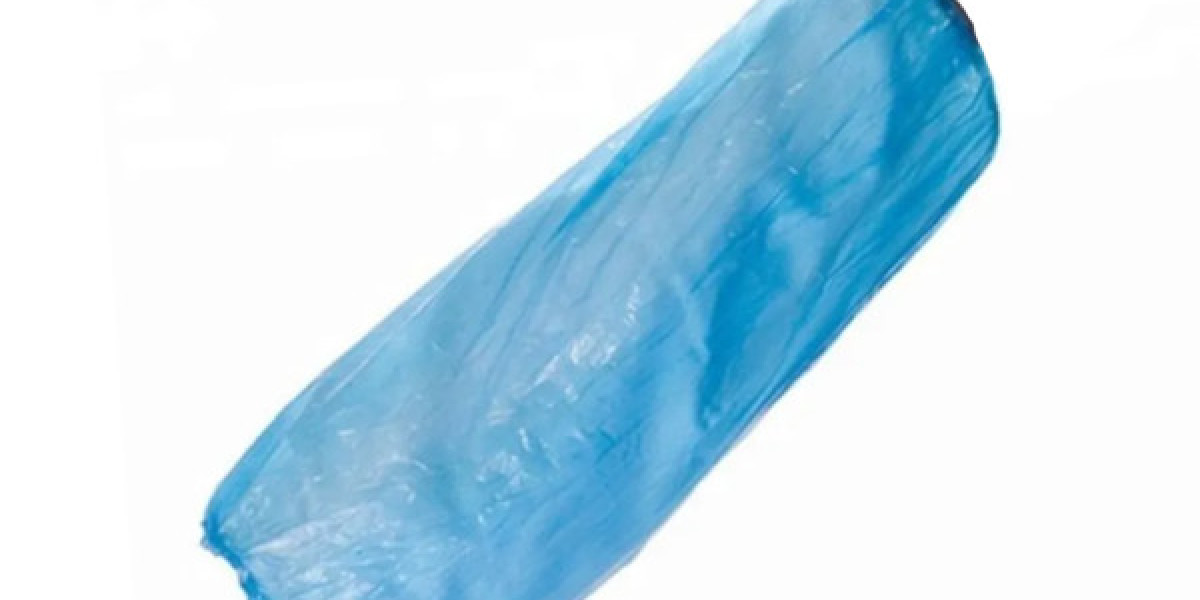

Single-Use Sleeve Covers serve as a practical solution for protecting clothing and skin in environments where hygiene and cleanliness are critical. Designed for single-use, they help minimize contamination risks by acting as a barrier against dirt, liquids, and other substances. These covers are widely used across industries such as healthcare, food processing, and manufacturing, where maintaining high standards of safety is essential. Their lightweight and easy-to-wear design ensures they can be applied quickly, making them an efficient choice for busy professional settings. The materials used in their production vary, catering to specific needs such as waterproofing, breathability, or chemical resistance. As an integral part of personal protective equipment, disposable sleeve covers contribute significantly to maintaining safe and hygienic practices, reducing the likelihood of cross-contamination and protecting both workers and sensitive environments.
Importance of Hygiene with Single-Use Sleeve Covers
Maintaining hygiene is a fundamental aspect of environments where contamination control is paramount, and Single-Use Sleeve Covers contribute significantly to this goal. By acting as a protective barrier, these covers help limit the transfer of contaminants between surfaces, individuals, and sensitive areas. They are particularly valuable in sterile settings, where even minor impurities can have significant consequences.
Their use is widespread in facilities such as laboratories, pharmaceutical production sites, and food preparation areas, where cleanliness is strictly regulated. The single-use nature of Single-Use Sleeve Covers ensures that contamination risks are minimized, as they are discarded immediately after use. This practice reduces the likelihood of cross-contamination, making these covers an indispensable element of comprehensive hygiene protocols in industries that prioritize safety and cleanliness above all else.
Material Varieties of Single-Use Sleeve Covers
Single-Use Sleeve Covers are available in various materials, each suited to specific applications. Polyethylene offers excellent liquid resistance, making it ideal for use in wet or messy environments such as food processing or cleaning tasks. Spunbond polypropylene, a lightweight non-woven fabric, provides comfort and breathability, making it a popular choice for extended use in medical or laboratory settings. Microporous materials combine breathability with protection against fine particles and certain chemicals, often used in industrial or hazardous environments.
For enhanced protection, laminated options provide an added layer of resistance to liquids and contaminants. The selection of material depends on factors such as the required level of protection, the working environment, and the balance between comfort and functionality. Each type is designed to address specific needs, ensuring appropriate and effective use across different professional sectors.
Single-Use Sleeve Covers in Healthcare Settings
In healthcare environments, Single-Use Sleeve Covers play a crucial role in maintaining stringent infection control measures. They are particularly effective in preventing the transmission of pathogens in settings where sterility is vital, such as operating theatres, patient wards, and diagnostic laboratories. These covers are designed to act as a barrier, shielding healthcare professionals' clothing and exposed skin from coming into contact with contaminants, including bodily fluids, biohazards, and infectious agents.
Their application extends to various procedures, ensuring that sterile conditions are preserved and the risk of cross-contamination is minimised. The materials used in sleeve covers for healthcare purposes are often selected for their impermeability and durability, providing effective protection without compromising mobility or comfort. By integrating Single-Use Sleeve Covers into personal protective equipment protocols, healthcare facilities enhance safety measures for both patients and staff.
Use of Single-Use Sleeve Covers in Food Industry
In the food industry, Single-Use Sleeve Covers are indispensable for maintaining strict hygiene standards during various stages of production and handling. These covers act as a barrier, preventing contact between skin and food products, thus reducing the risk of contamination from sweat, skin particles, or external elements present in the working environment. Their use is particularly critical in environments such as meat processing plants, bakeries, or packaging facilities, where cleanliness directly impacts product safety and quality.
Designed for single use, they help ensure compliance with food safety regulations by minimising the potential transfer of microorganisms or other contaminants. The lightweight and ergonomic design of these covers allows workers to perform their tasks efficiently while adhering to hygiene protocols. Their practicality makes them an essential component of personal protective equipment across diverse food-related operations.
Environmental Considerations for Single-Use Sleeve Covers
The environmental impact of Single-Use Sleeve Covers has become a subject of increasing attention, particularly due to their contribution to plastic waste. Single-use protective gear, while essential for hygiene, presents challenges regarding sustainable disposal and resource consumption. Efforts are underway to mitigate these effects by developing alternative materials, such as biodegradable or compostable options, that decompose more rapidly and reduce long-term environmental damage.
Additionally, some initiatives are focused on establishing systems for the collection and recycling of disposable protective equipment to minimise waste. Manufacturers are also exploring ways to use renewable resources in production, reducing reliance on traditional plastics derived from fossil fuels. These innovations aim to balance the necessity for high standards of cleanliness with a growing awareness of ecological responsibilities, prompting industries to adopt practices that align with environmental sustainability goals.
Cost-effectiveness of Single-Use Sleeve Covers
Single-Use Sleeve Covers present a cost-effective solution in environments requiring high hygiene standards. Unlike reusable alternatives, disposable options eliminate the need for laundering, drying, and routine maintenance, thereby reducing ongoing operational expenses. The single-use design ensures that resources such as water, energy, and detergents are not consumed in cleaning processes, contributing to overall efficiency.
Additionally, the reduced handling required for disposable covers can streamline workflow, saving both time and labour costs. Industries with high turnover or frequent contamination risks benefit from the affordability and convenience these covers provide. By balancing quality and practicality, Single-Use Sleeve Covers offer an economical option for maintaining cleanliness and compliance with safety protocols in demanding professional settings.
Regulations and Standards for Single-Use Sleeve Covers
Single-Use Sleeve Covers must adhere to rigorous regulations and standards to ensure they meet safety, hygiene, and performance requirements. These standards often specify the materials used, durability, and resistance levels to protect against contaminants effectively. In the healthcare and food sectors, guidelines may address factors such as sterility, impermeability, and allergen-free composition to safeguard both personnel and products.
Manufacturing processes are subject to audits to verify compliance with relevant certifications and industry-specific requirements. These regulations are updated periodically to incorporate new developments in material science and protective equipment technologies. Adherence to these standards ensures that Single-Use Sleeve Covers provide reliable and consistent protection across diverse professional applications, aligning with strict safety and operational expectations.
Disposal Methods for Disposable Sleeve Covers
Correct disposal of disposable sleeve covers is crucial for upholding hygiene and environmental considerations. These covers should be discarded in accordance with local waste management regulations, with special attention given to waste segregation where required. In sectors such as healthcare or laboratories, contaminated sleeve covers are often treated as hazardous waste and must be disposed of through specialised systems to prevent the spread of harmful substances.
Recycling options, though limited, are emerging for certain materials used in sleeve covers, and organisations are encouraged to explore these where possible. Proper waste management practices are essential to ensure that used sleeve covers do not contribute to environmental pollution or compromise the cleanliness of professional environments.
Innovations in Disposable Sleeve Cover Technology
Technological advancements have significantly improved the design and performance of Single-Use Sleeve Covers, introducing features that enhance their practicality and usability. Modern materials now offer a balance of lightweight comfort and robust protection, catering to diverse professional environments. For instance, advanced polymers are being developed to provide greater resistance to liquids and fine particles without sacrificing flexibility. Some designs incorporate breathable layers that maintain comfort during prolonged use, while others feature enhanced durability for demanding conditions.
Additionally, progress in eco-friendly production methods has led to the creation of biodegradable and recyclable sleeve covers, addressing environmental concerns. These developments reflect ongoing efforts to align functionality, sustainability, and adaptability in response to the growing need for efficient protective solutions.
Single-Use Sleeve Covers for Industrial Applications
Single-Use Sleeve Covers are essential in industrial environments to maintain safety and cleanliness during operations. They provide effective protection against contaminants such as dust, grease, and chemical residues, which can affect both workers and the quality of manufactured products. These covers are commonly used in sectors like electronics, automotive, and pharmaceutical manufacturing, where precision and hygiene are critical.
By preventing direct contact between materials and workers’ arms, sleeve covers help ensure compliance with strict safety regulations and reduce the risk of workplace accidents. Their lightweight and ergonomic design allows for ease of movement, enabling workers to perform tasks efficiently. Tailored to specific industrial requirements, they offer a reliable solution for maintaining professional standards in challenging conditions.
Future Trends for Single-Use Sleeve Covers
The development of Single-Use Sleeve Covers is anticipated to prioritise eco-conscious innovation, with a focus on biodegradable and recyclable materials to address sustainability concerns. Enhanced manufacturing processes may lead to improved durability and comfort, catering to diverse industrial requirements.
Emerging technologies could introduce antimicrobial coatings or temperature-regulating properties, further increasing their effectiveness in specific settings. As industries emphasise safety and efficiency, these advancements are expected to shape the evolution of sleeve covers, ensuring their continued relevance across professional applications.
Conclusion
Disposable Sleeve Covers are a crucial component of personal protective equipment, providing a practical and cost-effective solution for maintaining hygiene and safety across a variety of professional sectors. Their single-use design effectively prevents contamination and cross-contamination, which is vital in environments like healthcare, food processing, and manufacturing. With a range of materials tailored for specific needs, these covers offer a balance of protection and comfort. By eliminating the need for laundering and streamlining operational workflows, they offer an efficient way to uphold strict safety standards. As industries continue to focus on hygiene and sustainability, the role of Single-Use Sleeve Covers remains indispensable.
Frequently Asked Questions
Why are Disposable Sleeve Covers important for hygiene?
Disposable Sleeve Covers are crucial for hygiene as they create a physical barrier that prevents contaminants from transferring between the wearer's clothing and sensitive environments or products. In settings like food handling and healthcare, they minimise the risk of contamination from skin particles or clothing fibres. Since they are discarded after a single use, they effectively prevent the spread of bacteria and other microorganisms.
What materials are used to make Single-Use Sleeve Covers?
Single-Use Sleeve Covers are made from a variety of synthetic materials, each with specific properties. Common materials include polyethylene, which is excellent for liquid resistance, and spunbond polypropylene, which is lightweight and breathable. For higher-level protection against particles and chemicals, microporous materials and laminated options are used, offering a balance of comfort and a robust barrier.
What are the key benefits of using Single-Use Sleeve Covers over reusable ones?
The key benefits of Single-Use Sleeve Covers are their cost-effectiveness and convenience . They eliminate the need for time-consuming and resource-intensive processes like laundering, drying, and maintenance. This reduces ongoing operational costs related to water, energy, and labor. Their single-use design also ensures a fresh, uncontaminated cover for each task, streamlining workflow and maintaining high hygiene standards.
How do Single-Use Sleeve Covers support safety in industrial settings?
In industrial settings, Single-Use Sleeve Covers are essential for protecting both workers and products . They act as a barrier against common industrial contaminants like dust, grease, and mild chemicals, safeguarding a worker's clothing and skin. At the same time, they prevent contaminants from being transferred from the worker to sensitive products, which is particularly important in manufacturing sectors where cleanliness and quality control are critical.
Are there any sustainable options for Single-Use Sleeve Covers?
Yes, with growing environmental concerns, manufacturers are developing more sustainable options. Innovations include the use of biodegradable or compostable polymers that break down more quickly after disposal. Some initiatives are also exploring recycling programs for certain types of disposable protective equipment. These efforts aim to reduce the environmental footprint of single-use products while maintaining the high standards of hygiene required in professional settings.
Related Business Listings |