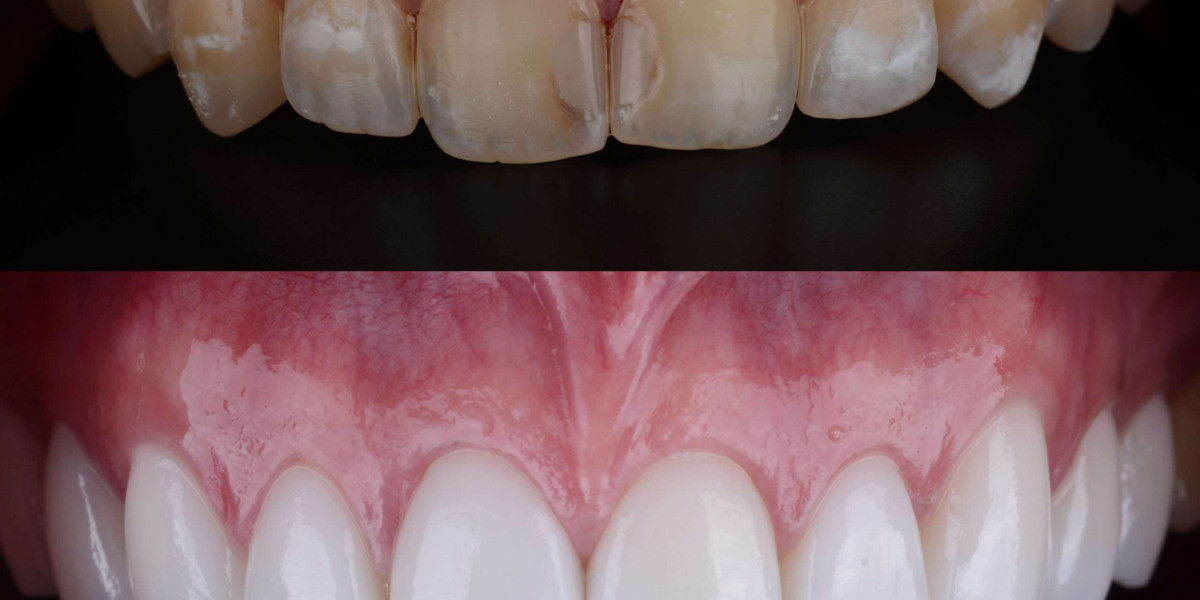

Oral health is frequently seen as just brushing, flossing, and preventing cavities, yet its importance goes far beyond that. The condition of your mouth can reveal much about your overall health and even influence how the body functions as a whole. Increasingly, research demonstrates the clear link between oral health and broader wellbeing, showing that the mouth can be both a window to and a driver of general health. This blog examines the connection between oral hygiene and physical, mental, and emotional health, while highlighting how preventive care supports overall balance.
The Foundations of Oral Health
At its core, oral health encompasses far more than just teeth. It includes healthy gums, a clean tongue, fresh breath, and the absence of infection or discomfort. Good oral health means you can chew, speak, and smile without pain or embarrassment.
Building a strong foundation involves daily habits:
Brushing twice a day with fluoride toothpaste.
Flossing or using interdental brushes to clean between teeth.
Regular dental check-ups to detect and prevent issues early.
Preventive care is vital because it is always easier, and often less costly, to stop problems before they develop rather than to treat advanced disease. By paying attention to oral health basics, you set the stage for long-term wellness.
Oral Health and Physical Wellbeing
The body is a connected system, and what happens in the mouth can have far-reaching effects. Poor oral health doesn’t remain confined to the teeth and gums; it can influence the entire body.
1. Cardiovascular Health
There is increasing evidence linking gum disease (periodontitis) with cardiovascular conditions. The inflammation and bacteria associated with gum infections may contribute to clogged arteries, raising the risk of heart attack or stroke.
2. Diabetes
The relationship between gum disease and diabetes is two-way. High blood sugar levels make it easier for infections to thrive, while gum disease itself can make blood sugar more difficult to control, complicating the management of diabetes.
3. Respiratory Conditions
Bacteria from the mouth can be inhaled into the lungs, potentially worsening conditions such as pneumonia or chronic obstructive pulmonary disease (COPD). For people with compromised immune systems, the impact can be particularly severe.
Condition | Oral Health Connection |
Heart Disease | Gum bacteria may inflame arteries, increasing risks. |
Diabetes | Gum disease complicates blood sugar control. |
Respiratory Illnesses | Oral bacteria can contribute to lung infections.
|
By addressing oral health concerns promptly, you not only safeguard your smile but also protect vital organs.
Oral Health and Mental Wellbeing
The impact of oral health stretches beyond the physical, it can shape mental and emotional wellness.
Self-confidence and Self-esteem: A bright, healthy smile often boosts confidence, encouraging positive interactions in both professional and social settings. Conversely, missing or discoloured teeth may create feelings of embarrassment or withdrawal. This is why many people choose services such as teeth whitening Wrexham to refresh their smile and improve self-assurance.
Chronic Pain and Stress: Ongoing dental issues, such as toothache or jaw pain, can create stress, disrupt sleep, and lower overall quality of life.
The Stress Cycle: Stress can itself worsen oral health. People under pressure may grind their teeth or neglect oral hygiene, leading to further issues.
Good oral care, therefore, is not just about aesthetics, it plays a critical role in supporting mental wellbeing.
Lifestyle, Nutrition, and Oral Health
What we eat and how we live daily lives has a direct impact on oral and overall health.
Foods and habits that can harm oral health include:
Sugary snacks and drinks that feed cavity-causing bacteria.
Acidic beverages such as fizzy drinks that erode enamel.
Smoking and alcohol, which stain teeth and increase the risk of oral cancer.
On the other hand, positive lifestyle choices can help protect oral health:
Drinking plenty of water to wash away food particles.
Eating calcium-rich foods like cheese and yoghurt to strengthen enamel.
Fresh fruits and vegetables, which stimulate saliva production and provide vitamins.
Quitting smoking to improve gum health and reduce the risk of disease.
Lifestyle changes can also complement professional treatments, such as visiting a private dentist in Wrexham for guidance on tailored oral care strategies and long-term preventive plans.

The Preventive Approach: Dental Care as Healthcare
Visiting the dentist should be considered essential, as appointments are not just for fillings or urgent care but also play a vital role in preventive healthcare. Dentists can spot early signs of broader systemic conditions, including diabetes, vitamin deficiencies, and oral cancers.
Preventive dentistry helps detect minor concerns early, stopping them from developing into painful or expensive problems. Professional cleanings remove plaque and tartar that daily brushing misses, while routine X-rays help identify issues beneath the surface.
Moreover, dental care contributes to overall healthcare in ways many don’t expect. For example:
Early intervention for gum disease reduces the risk of heart-related complications.
Oral cancer screenings during check-ups can save lives.
Advice on treatments such as teeth whitening Wrexham provides patients with safe and effective cosmetic improvements alongside health benefits.
Practical Tips for Linking Oral Health to Overall Health
Adopting simple but consistent habits can make a powerful difference.
Daily Routine:
Brush for two minutes twice daily.
Floss or use interdental brushes once a day.
Use an antibacterial mouthwash when advised by your dentist.
Professional Care:
Book dental appointments twice a year, or as recommended by your dentist.
Ask your dentist about preventive screenings.
Discuss cosmetic or restorative treatments with a private dentist in Wrexham to ensure safe and suitable options.
Lifestyle Integration:
Treat oral care as part of overall self-care.
Integrate dental care with nutritious eating, regular exercise, and stress control to maintain a well-balanced lifestyle.
Video Link : https://vimeo.com/1063145935/4915df4519?share=copy
Conclusion
The evidence is clear: oral health and overall wellbeing are deeply connected. A healthy mouth can support a healthy body, while neglect can have wide-reaching consequences beyond cavities or gum disease. Taking preventive steps, seeking professional guidance, and making informed lifestyle choices all play crucial roles in maintaining this balance.
By prioritising oral health, you not only protect your smile but also contribute to your long-term quality of life. For those seeking expert support in their journey to better health, Wrexham provides trusted dental professionals ready to help.